

Have you ever wondered why some aquariums keep their plants nicely in place while others let them drift around? It all comes down to the weight of each plant. Imagine a sturdy Amazon Sword acting like a natural anchor versus a light Java Moss that floats freely in your tank.
Next, let’s chat about how knowing a plant’s weight helps you choose the best way to secure it. Think of it like picking the right anchor so your underwater garden remains neat and soothing. A well-set aquarium creates a calming view, much like the gentle ripple of water on smooth stones.
Aquarium plants weights: Smart anchoring for perfect setups
When planning your tank, the weight of your aquarium plants matters a lot. Many hobbyists notice that each plant species comes with its own bunch weight, which affects how you secure them in the substrate. For example, an Amazon Sword tends to be heftier than a Java Moss, so it needs a firmer grip to stay in place. Think of your Amazon Sword as nature's own anchor, balancing out water flow and keeping your setup intact.
These weight numbers are industry averages based on fresh plants, and they give you a good starting point. Each species has its own density and size, so you might leave a little bit of stem untrimmed to help the plant latch onto the substrate. This little trick can stop plants from drifting away, keeping your aquascape neat and charming even when the water starts moving.
| Species | Average Fresh Weight per Bunch (g) |
|---|---|
| Anubias nana | 20 |
| Amazon Sword | 150 |
| Java Fern | 30 |
| Vallisneria | 50 |
| Java Moss | 10 |
| Cryptocoryne | 70 |
Measuring Aquarium Plant Weights Accurately
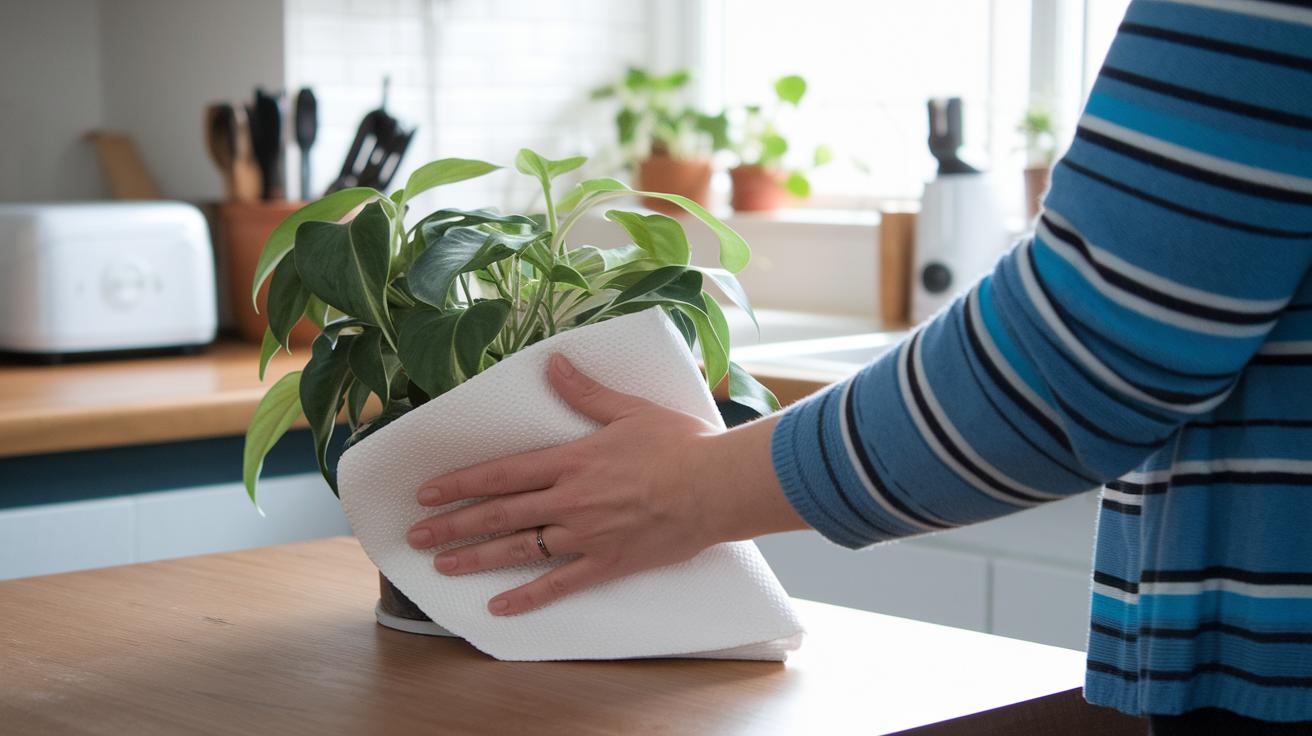
Start by gently patting your plant with a paper towel to get rid of the extra water. It’s like drying off your pet after a fun swim, just a few soft dabs, so you don’t hurt the delicate leaves. Imagine you're carefully wiping away little droplets until your plant feels just a bit drier, much like a fish wrapped in a gentle towel.
Then, put your plant into a container that you’ve already tared on your digital scale. Taring means you reset the scale to zero with the container already on it so that the weight you see is just the plant. It’s as simple as placing your plant in that container and watching the scale show only the plant’s weight.
Next, note down the wet weight shown on your scale. If you’re curious about how much your plant weighs without any clingy water, leave it in a low-humidity spot until it dries up and weigh it again. This way, you get a good idea of how much extra water was there.
| Step | Description |
|---|---|
| 1 | Pat your plant with paper towels to remove excess water gently. |
| 2 | Place it in a tared container on the digital scale so the container’s weight is not included. |
| 3 | Record the wet weight; if needed, let it dry and weigh again for the dry weight. |
Impact of Plant Weight on Aquascape Design and Stability
Plant weight is a key player when it comes to keeping your aquarium setup balanced. Heavier plants can push down on the substrate, changing its smoothness and the overall look of your tank. A plant that has a thick root system works like an anchor for the substrate, but only if it’s set in well. Experts often suggest trimming extra leaves off the part that sits in the substrate, leaving roughly 50 mm of stem behind. That little bit of stem acts like a grip, holding the plant steady so it doesn’t float away. Picture an Amazon Sword that loses most of its hidden foliage, without that solid stub, even a gentle current could tip the balance.
-
Denser roots vs substrate type: Some substrates get along better with plants that have strong, heavy roots. A sandy base might need a plant with a stronger grip, while light gravel could work well with softer, lighter plants.
-
Weight distribution around hardscape: Placing heavy plants near rocks or driftwood helps spread out their pull, keeping the whole setup steadier.
-
Flow considerations for heavier foliage: In tanks where water flows more strongly, plants need to be anchored securely so they aren’t carried away by the current.
Before I learned the trick of leaving a 50 mm stem stub, I had a tiny plant literally lift out during a water change, proving that even a small difference can make a big impact on tank stability. Adjusting where you place your plants with these ideas in mind helps you build an aquascape that stays strong, even when the water shifts and flows.
Securing Heavy Aquarium Plants with Ballasts and Anchors

When you're setting up your aquarium, keeping heavy plants in place is a must. Imagine the gentle ripple of water that can easily sway a plant away if it isn’t well secured. Heavy plants trimmed with a 50 mm stem stub need a strong support system to stay rooted, even when the water moves.
One neat trick is to choose a weight that fits your values. Lead ballast, for instance, is tough and lasts long. But if you care about an eco-friendly setup, many hobbyists now prefer alternatives like ceramic sinkers. These not only hold the plant steady but also add a touch of natural beauty to your tank.
When you’re piecing your anchoring system together, consider using PVC anchors or stainless steel rings. They protect the plant’s base and help keep it secure against strong currents. It’s a good idea to attach the weight near the base of the plant. And remember, trim the leaves from the middle part so you have about 50 mm of stem left; this little step helps prevent decay and keeps everything in place.
| Weight Type | Feature |
|---|---|
| Lead Ballast | Tough and durable, though not as eco-friendly |
| Ceramic Sinkers | Stable support with a natural, attractive look |
| PVC Anchors & Stainless Steel Rings | Offers excellent support while keeping the plant intact |
When positioning these weights, try placing the heavier ones near solid elements like rocks or driftwood. This helps spread the weight evenly and keeps your plant from tilting or being pulled out during water flow. For more supplies that suit your tank, check out aquarium plant supplies and see the range of products available.
DIY Ballast Techniques for Aquarium Plant Weight Management
When it comes to securing your aquatic greens, a bit of creativity goes a long way. One handy trick is to craft weights using ceramic discs and nylon mesh. Simply gather a few ceramic discs, wrap them in a piece of durable nylon mesh, and secure the ends with a twist tie. This gives you a safe, balanced weight that easily attaches near the plant’s base, just remember to leave about 50 mm of stem so your green friend stays properly anchored.
Another cool idea is to make a small wire ring out of stainless steel. Form a gentle loop around your plant’s base to create a brace that holds it snugly in your substrate. The key is to keep the edges smooth so nothing gets hurt. Think of it as a soft, steady hug for your plant.
You can also try using river pebbles in mesh pouches. Fill a fine mesh pouch with smooth, clean pebbles and tie it up tight. These natural weights not only look great, but the pouch keeps all the pebbles together so they don’t drift away. Just be sure to rinse and sterilize everything first to keep your tank water safe and clear.
| Method | Description |
|---|---|
| Ceramic Disc Weights | Wrap discs in nylon mesh with a twist tie, leaving about 50 mm of stem free |
| Stainless Steel Wire Rings | Form a smooth, gentle loop to secure your plant in the substrate |
| River Pebbles in Mesh Pouches | Fill a mesh pouch with clean pebbles and tie it securely to use as a natural weight |
Each of these DIY methods is both non-toxic and customizable, making it easy to manage plant weight while keeping your aquascape lively and secure. Enjoy the process and let your creativity float like gentle ripples on a calm pond!
Final Words
In the action of building and caring for a beautiful tank, we explored typical weight ranges for popular aquarium plants and shared hands-on tips for measuring and managing them. We looked at how these weights impact aquascape design and stability, and even tackled DIY ballast techniques. Every step ties back to the role of aquarium plants weights in creating an inviting, balanced underwater setting. It’s a rewarding process that keeps our aquatic spaces thriving and our fish happy. Enjoy every moment spent perfecting your underwater haven!
FAQ
What can I use to weigh down aquarium plants?
The aquarium plant weights help secure your greens with anchors like ceramic sinkers, lead-free options, or even DIY solutions using river pebbles in mesh pouches.
Can you plant aquarium plants with weights and leave them on?
The aquarium plants with weights remain planted when you leave the anchors on. Keeping a trimmed weight on the buried stem helps the plants stay stable and rooted gently.
What are aquarium plant weights made from?
The aquarium plant weights are often made from ceramic, lead-free materials, stainless steel, or PVC, offering sturdy and safe solutions for keeping your plants anchored.
How can I create DIY aquarium plant weights?
The DIY aquarium plant weights allow you to craft secure anchors using ceramic discs wrapped in nylon mesh, stainless steel wire rings, or even river pebbles in mesh pouches for a non-toxic solution.
Where can I find quality aquarium plant weights?
The aquarium plant weights are available at pet supply stores like PetSmart or online retailers, offering various options such as ceramic or eco-friendly lead-free weights for your tank.