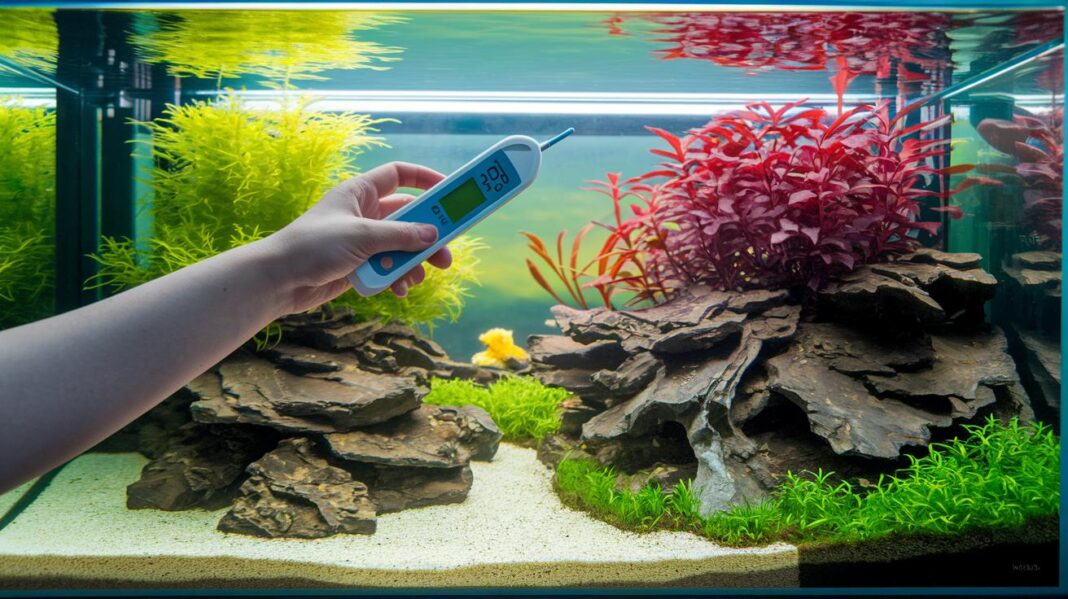

Ever wonder if your fish have just the right home temperature? It’s like making sure the gentle currents in their watery world are always in tune. A digital thermometer turns checking your tank’s warmth or coolness into a quick, friendly ritual.
I remember one day when my fish started acting uneasy because the water got too cold too fast. Having a digital thermometer right there was a total lifesaver, letting me adjust things before any real stress set in.
These handy devices make it super easy to keep an eye on your aquarium’s conditions. They give you a clear picture at a glance, so your underwater pals can enjoy a cozy and balanced home every single day.
How Digital Thermometers Enhance Monitoring Aquarium Water Parameters
Digital thermometers are real lifesavers for anyone with an aquarium. They give you a quick look at your water temperature exactly when you need it. This is vital because different fish and corals need their own cozy temperature zones, for example, goldfish do well between 40°F and 80°F, while delicate coral need a snug range from 76°F to 84°F.
Even a small drop or rise in temperature can change everything. Most fish get their body warmth from the water, so a shift by just a few degrees can mess with how they digest food and stay active. With a digital thermometer, you notice these changes fast. This means if your heater goes out or the water cools suddenly, you can jump in with a quick fix.
I remember once watching my digital thermometer when my heater suddenly failed. The temperature dipped fast, and thanks to the alert, I added a backup heater right away. It felt like getting a friendly nudge before things turned bad for my fish.
Digital thermometers are much more accurate than those old glass ones. They keep a constant watch on the water, making sure your aquatic pals stay happy and healthy. For any fish lover, this steady monitoring is a must-have tool to keep your little underwater world safe and sound.
Choosing the Right Digital Thermometer for Aquarium Water Temperature Monitoring
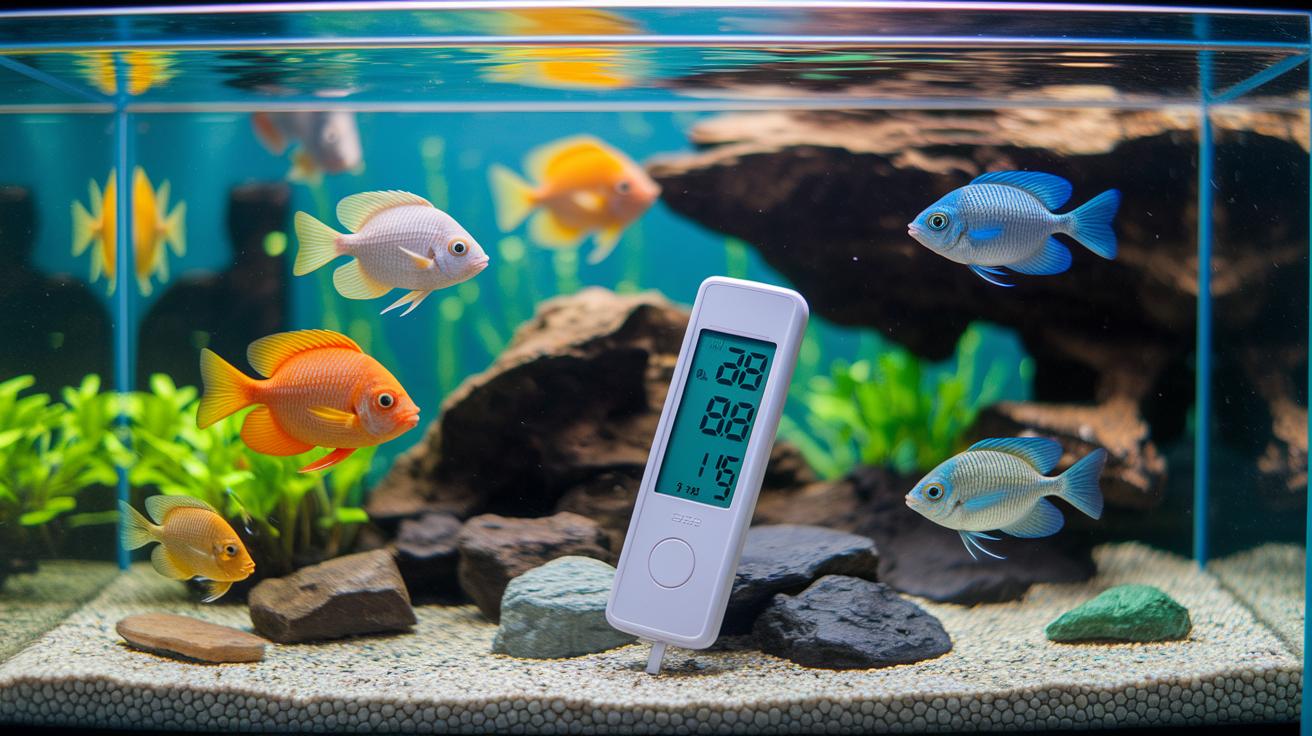
When you're picking a digital thermometer for your aquarium, it's important to get to know the different types. There are a few choices out there, like stick-on sensors with LCD displays, probe-and-cable units, and sensors that hook right into your water flow. Just imagine your thermometer reading the tank's temperature as swiftly as you can brew your morning cup of coffee. It’s that blend of simplicity and speed that makes all the difference.
Next, check out the key features. Look for a thermometer that works in a range from -4°F up to 140°F and gives readings precise to 0.1°F or °C. Also, aim for models that stay accurate within ±0.5°F, similar to what you’d find with the hygger 073. These specs help ensure your device gives modern, sensor-based water testing that keeps your fish happily swimming in safe water.
Consider battery life too. You’ll want a model that runs between 6 and 12 months, and a low-battery alert is a real lifesaver. Plus, think about how the thermometer is built, waterproof housing, the probe’s length, and how it mounts in your tank should all match your aquarium’s style.
For more trusted digital thermometers, check out this link: aquarium supplies online.
| Type | Description |
|---|---|
| Stick-on LCD Display Sensors | Easy to attach and read right from the tank wall. |
| Probe-and-Cable Units | Offers flexible placement with a separate display unit. |
| In-line Flow-through Sensors | Great for tanks with water circulation, letting you monitor temperature as water flows. |
Choosing the thermometer that fits your needs will help keep your underwater world stable and vibrant. It's like adding a gentle ripple to the calm waters of your tank every day.
Calibrating and Setting Up Digital Thermometers for Accurate Aquarium Parameter Tracking
Getting your digital thermometer calibrated is like making sure your favorite fish tank is set just right. Over time, the readings might drift a bit, so it’s best to check twice at different temperatures. First, prepare an ice bath at 32°F. Fill a container with plenty of ice and distilled water, then carefully submerge the probe, just make sure it doesn’t brush against the sides. Imagine it as gently dipping your probe into a cool pool and watching the temperature settle at that perfect 32°F.
Next, create a boiling water bath at 212°F using distilled water. Again, keep the probe clear of any container edges to avoid any extra interference. Once you see the correct reading on your device, adjust the offset right from the thermometer’s menu. I like to repeat these tests after any battery changes or about once a month, so my aquarium conditions always stay on track.
| Step | Details |
|---|---|
| Ice Bath Test | Set up at 32°F using distilled water and ice; probe fully submerged without touching the container walls |
| Boiling Water Test | Set up at 212°F with distilled water; ensure the probe is clear of container edges |
| Adjustment | Change the offset in the thermometer menu based on the readings |
| Maintenance | Repeat after battery changes or once a month; note the date and new offset values |
Comparing Digital Thermometers with Other Aquarium Water Parameter Tools

Digital thermometers are amazing because they give you a reading in just 5 to 10 seconds. They have a clear LCD display and even alarms you can set up so you know right away if something changes in your tank, like a quiet nod from your aquarium saying, "Everything's fine!" I once set mine up overnight, and it quickly alerted me when the temperature fell unexpectedly.
Glass thermometers are a simpler choice that cost less. However, they show readings slowly and can be hard to read if the tank light is low. They sometimes miss the mark on accuracy, which isn’t ideal when you need fast and reliable info.
Heater-built sensors are handy because they attach right to the heater, making them very convenient. But they usually don’t have their own display and can start giving off skewed readings if the heater acts up.
One thing to remember about digital thermometers is that they need a little upkeep like periodic calibration and battery changes. Even with these minor chores, they provide clear and fast data that can really help keep your aquarium in tip-top shape.
Integrating Digital Thermometers into Automated Aquarium Monitoring Systems
Digital thermometers can be a real game changer in keeping your aquarium's water just right. They hook up with devices like the Inkbird ITC-308 so that your heater turns on or off all by itself. This means your fish get a smooth, steady home even if your heater ever has a hiccup.
You can level up your setup by using more than one sensor. Try placing one probe near the bottom where the water stays cool and another near the top where it warms up. That way, you can quickly spot any unexpected changes, just like noticing different currents in a little stream.
And if you're excited about smart gadgets, plenty of modern thermometers now come with Wi-Fi or Bluetooth. Imagine getting a notification on your phone saying, "Temperature reached your upper limit!" It’s like having a friendly alert that helps you adjust things right on time.
It helps to set clear limits for high or low temperatures so you know exactly when to take action. By connecting your thermometer to an automated system, you’re not just checking a number, you’re building a tiny, responsive world for your aquatic friends that watches over them every day.
Each part of the setup, from using multiple sensors to smart digital features, works together to give you real-time control over your tank’s temperature, allowing you to relax and enjoy the beauty of your underwater world.
Troubleshooting and Maintaining Digital Thermometers for Consistent Aquarium Monitoring

Digital thermometers sometimes act up because of things like algae building up on the probe, a battery that's nearly drained, or even a fraying cable. I remember one time when a thin layer of algae covered my thermometer's probe and it started giving odd readings. A gentle wipe with a soft cloth cleared it right up.
Regular cleaning sure does wonders. I like to give the probe a little cleaning once a week with a soft cloth, and I always steer clear of any harsh chemicals that might hurt the sensor. It’s also smart to keep an eye on those low-battery alerts. Swapping out the battery every 6 to 12 months helps keep the readings steady. And every now and then, checking the thermometer against another trusted device can really show you if it's still on track.
If your thermometer has firmware updates available, taking a moment to install them can fix any little drifts in measurement. A few regular check-ups and a bit of care go a long way. Keeping your digital thermometer clean and its battery fresh means you’ll always have a clear picture of your tank’s environment, letting you enjoy a calm and well-monitored aquatic space.
Leveraging Data Logging and Trend Analysis in Aquarium Water Monitoring with Digital Thermometers
Digital thermometers do more than just show you your tank’s temperature at a glance. They also keep a neat record of your aquarium’s health over time. Many of these thermometers store time-tagged readings so you can watch how your water changes day by day, almost like reading your water’s personal diary.
You can even export these logs as CSV files to check the numbers in a spreadsheet or use special aquarium software. This clever trick lets you see patterns, like how your tank cools down at night, maybe hinting at a heater needing a check or a change in room temperature.
Looking at these patterns turns simple numbers into useful hints for tank care. You might notice that your feeding or light schedules work best when the water follows a certain rhythm. For example, feeding your fish during their cooler moments might help them digest their meals more easily. It’s like having your own little underwater weather report guiding you to make the best moves for your aquatic friends.
Using real-time sensor data makes keeping an eye on your tank both fun and precise, giving you true control over your underwater world.
Complementary Technologies for Advanced Monitoring of Aquarium Water Parameters
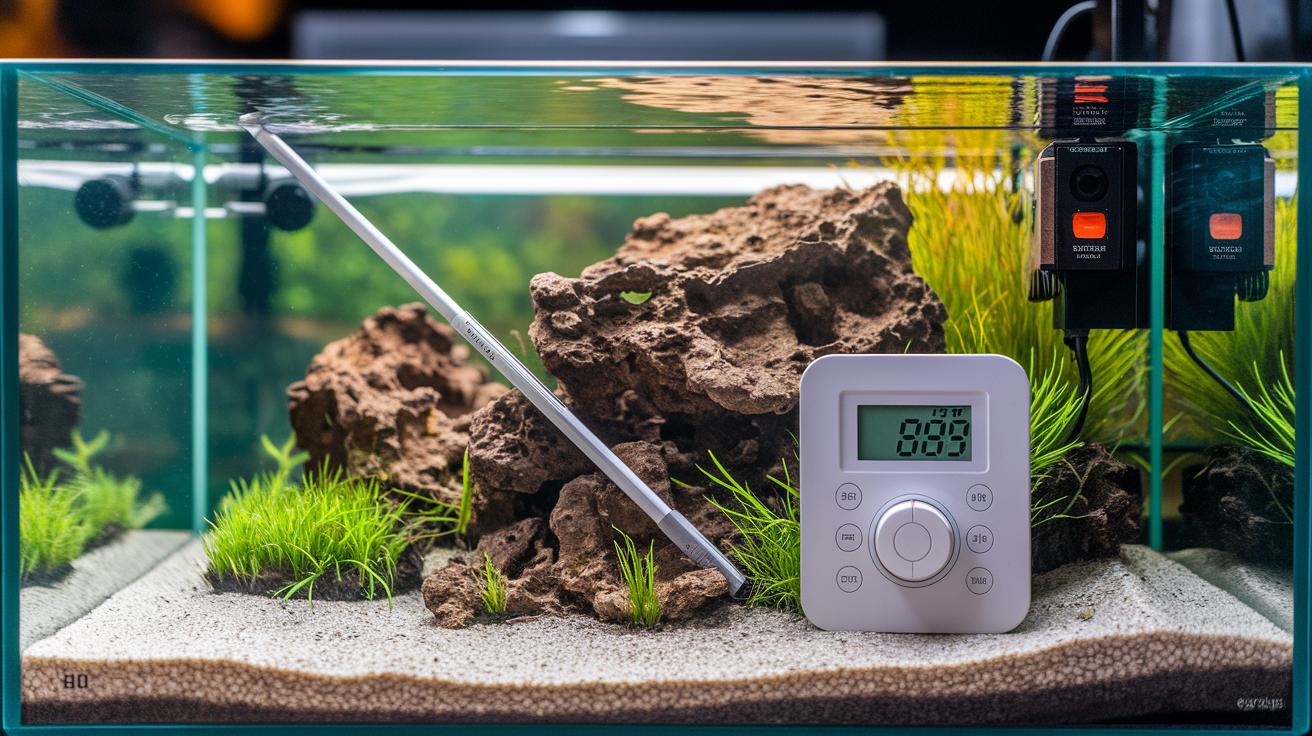
Digital thermometers are great for quickly showing you your tank's water temperature. But if you want to create a truly smart aquarium, try pairing your thermometer with an electronic temperature controller. This smart device automatically adjusts your heater or chiller so your tank always stays just right, no need to keep checking all the time. Imagine your setup working so fast that it feels like your aquarium is quietly saying, "I'm cozy now!"
Mixing temperature control technology with your digital thermometer can take your heating system to a whole new level. When you connect your thermometer to a system that not only measures but also manages your heater, you set up a cycle that keeps sudden, harmful changes at bay. And then there are inline flow-through sensors, which continuously share readings without having to lift a probe. These sensors give you constant insights into your tank’s water control, much like reading the gentle rhythms of ocean waves.
You can also ramp up your setup by blending data from pH, ORP, and conductivity meters, which together create a complete monitoring dashboard. This dashboard works like a well-tuned orchestra, syncing temperature, lighting, and dosing schedules into one seamless performance. With this network of devices, your aquarium becomes a safe, balanced world where you can simply enjoy the beauty of your underwater friends. It's a proactive and automated system that feels as natural and reliable as a calm, flowing stream.
Final Words
In the action of maintaining your aquarium, digital thermometers stand out for providing precise and real-time readings. They help you keep tabs on temperature fluctuations and assist in establishing a balanced underwater environment. With proper calibration and regular cleaning, these devices become reliable partners in monitoring aquarium water parameters with digital thermometers. Embrace smart integrations and simple maintenance, and you'll enjoy watching your aquatic world thrive. Happy tank time, each ripple is a step toward a healthier, more vibrant aquatic home.
FAQ
Q: Where can I find reliable manuals or free PDFs on monitoring aquarium water parameters with digital thermometers?
A: Reliable manuals and free PDFs are available online to guide you through setup, calibration, and maintenance. These resources explain how digital thermometers keep your aquarium’s temperature in check.
Q: What is the best freshwater aquarium monitoring system and digital thermometer?
A: The best systems combine a high-accuracy digital thermometer with a clear LCD display and long-lasting battery. They offer rapid, precise readings that help maintain a safe environment for your fish.
Q: How do digital thermometers monitor aquarium water parameters and manage battery life?
A: Digital thermometers offer quick temperature readings and often feature low-battery indicators for proactive battery replacement, ensuring continuous and reliable monitoring of your aquarium conditions.
Q: How do I check aquarium water parameters?
A: Checking aquarium parameters means using a digital thermometer for real-time temperature readings along with other tools like pH testers. This gives you a complete picture to keep your fish healthy.
Q: Where should I place a digital thermometer in an aquarium?
A: Position your digital thermometer in a spot away from heaters and direct water currents—ideally in the mid-tank zone—to capture an accurate average temperature throughout the aquarium.
Q: What is the most accurate digital thermometer for an aquarium?
A: The most accurate digital thermometers deliver fast readings with high resolution and allow easy calibration, ensuring you have dependable temperature data to keep your aquatic environment optimal.
Q: What is the most accurate way to test aquarium water?
A: The most accurate method uses properly calibrated digital tools, including thermometers and supplemental sensors, to deliver real-time temperature and overall water quality data that support a balanced aquarium.