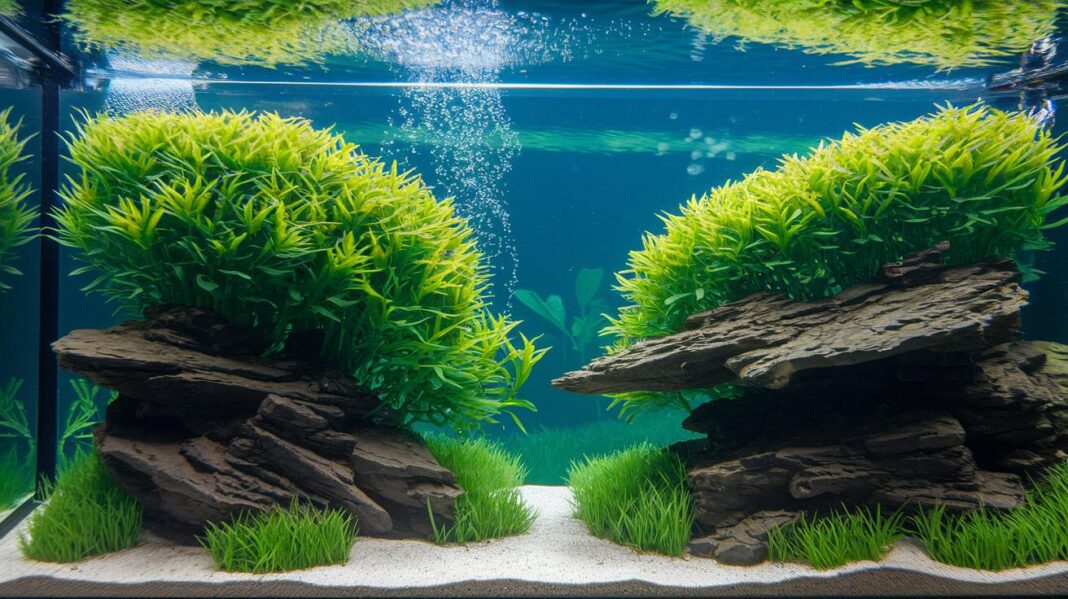

Ever wonder if live plants are really necessary in your saltwater tank? Some folks might shrug them off as just extra decoration. But adding a few marine greens can actually help clear your water and bring in a touch of nature.
See, plants like Spaghetti Algae and Sea Grapes work like little helpers. They soak up extra nutrients and keep bad toxins in check, just like how a gentle current refreshes your pond. Next, our guide shows you how these saltwater plants balance your tank, turning it into a clean, lively underwater oasis. Get ready to watch your aquarium come alive in a whole new way.
Marine Aquarium Plant Profiles and Recommendations
Live plants are the heart of a lively saltwater tank. They help keep the water clean by soaking up extra nitrates and phosphates while giving out oxygen during photosynthesis. They bring a natural touch with a mix of bright colors and different textures that turn your tank into a mini underwater garden. For instance, Spaghetti Algae, also known as Chaeto, is a hit with beginners because it grows quickly and is easy to care for.
Each type of plant has its own special perks. Take Red Gracilaria Algae, for example, it shows off a deep red color while also cleaning the water naturally. Then there's Dragon’s Tongue, which has thin red strands that help keep toxins in check. There’s even Mermaid’s Fan with broad fronds that need calcium, and Sea Grapes, which grow fast and act like tiny chefs cleaning up nutrients. No matter what your saltwater tank needs, there’s a plant that fits right in.
| Plant Name | Light Requirements | Substrate Preference | Pros | Cons |
|---|---|---|---|---|
| Spaghetti Algae (Chaeto) | 24-hour light | None needed | Rapid growth, high oxygen output | Needs constant lighting |
| Red Gracilaria Algae | Bright light | Loose gravel | Striking color, natural cleanser | May be less robust in low light |
| Dragon’s Tongue | Moderate light | Rocks or substrate | Combat ammonia/nitrate spikes | Slow growth, needs extra iron |
| Mermaid’s Fan | Moderate-High light | Sandy substrate | Ornamental, resistant to grazing | Requires extra calcium |
| Sea Grapes | High light | Any hard surface | Fast growth, great nutrient absorber | Needs constant light to avoid decay |
| Red Mangrove Propagule | Moderate light | Sandy or gravelly | Hardy, effective waste filtrator | Slow growth, extra iron/magnesium required |
| Sea Lettuce | Moderate light | Loose substrate | Easy growth, nutrient absorber | May be washed away in high flow |
| Turtle Grass Shoots | Moderate light | Fine sand | Flowering seagrass, adds texture | Moderate growth rate |
| Blue Hypnea Algae | Moderate light | Rock surfaces | Powder blue hue, balanced nutrient uptake | Less vibrant if lighting is low |
| Codium Macro Algae (Green Finger) | Moderate light | Attached surfaces | Hardy and ornamental | Mid-growth rate may need space management |
When you pick plants for your tank, think about both the look you want and what each plant needs. It might be a good idea to mix fast growers like Sea Grapes with sturdier ones such as Red Mangrove. This way, your tank will have plenty of cleaning power and cozy nooks for small fish to hide. Choose your plants based on the light in your room, the type of base your tank uses, and how much upkeep you’re up for, so you can create a balanced and healthy saltwater world.
Lighting, Substrate, and Water Parameters for Marine Aquatic Flora

Creating a beautiful marine aquarium is a bit like setting up a mini underwater garden. You need just the right lighting, substrate, and water conditions for your aquatic plants to flourish. When everything is balanced, plants like Mermaid’s Fan, Dragon’s Tongue, and mangroves can show off their bright colors and sturdy roots while keeping your water clean and clear. It’s like giving your underwater friends the perfect home.
Lighting Requirements
For your plants to do their thing, try to keep the light intensity between 80 and 150 µmol/m²/s using LEDs for about 12 to 14 hours each day. LEDs are great because they use less energy and offer steady light, a bit like the soft glow of a sunset over the ocean. This steady light helps your plants perform photosynthesis without any extra stress. If you need tips on picking the right lighting tools or testing your water, check out the supplies at https://sweetfysh.com?p=422.
Substrate Choices
The substrate is like the floor of your underwater garden, and it plays a big role in how your plants grow. Fine aragonite sand works well for rooting plants like Mermaid’s Fan because it gives them a cozy base to light up their roots. For plants like mangroves, a mix of mud and sand is best since it mimics their natural habitat. Spreading your substrate in thin, even layers helps keep roots happy and allows water to flow easily around them, much like the gentle current in a quiet bay.
Water Parameter Ranges
Your water conditions are just as important as lighting and substrate. Aim for a salinity level between 1.023 and 1.025 SG and keep the temperature between 75 and 82°F so the water feels just right for your plants. The pH should stay between 8.1 and 8.4 for a natural feel, similar to what you’d find in the ocean. For those calcifying macroalgae, it’s good to have calcium above 400 ppm. Adding a bit of iron and magnesium can also help species like Dragon’s Tongue and Red Mangrove absorb all the nutrients they need.
plants for marine aquarium: Lush Saltwater Greens
Macroalgae not only makes your tank look beautiful, it also gives little creatures a cozy place to hide. Live plants turn your tank into an underwater garden where small fish and invertebrates can seek shelter from strong currents and bigger predators. It’s like having a secret garden beneath the waves, where every plant offers a safe spot to rest and play.
Some plants come with extra benefits for grazing. For example, Mermaid’s Fan and Codium are strong enough to hold up against hungry grazers, so they keep their shape and bright color. Plus, Sea Grapes serve as a tasty treat for herbivores, which helps keep your tank balanced and full of life.
A smart setup is key for a thriving aquarium. Try placing your live plants near powerheads or water movers; these stir the water and push nutrients toward your corals, helping them grow strong. In truth, it’s like watching water, plants, and marine animals dance together to create a lively and balanced display. For more décor tips and planting ideas, check out reef aquarium supplies at https://sweetfysh.com?p=230.
Setting Up and Maintaining a Saltwater Planted Display
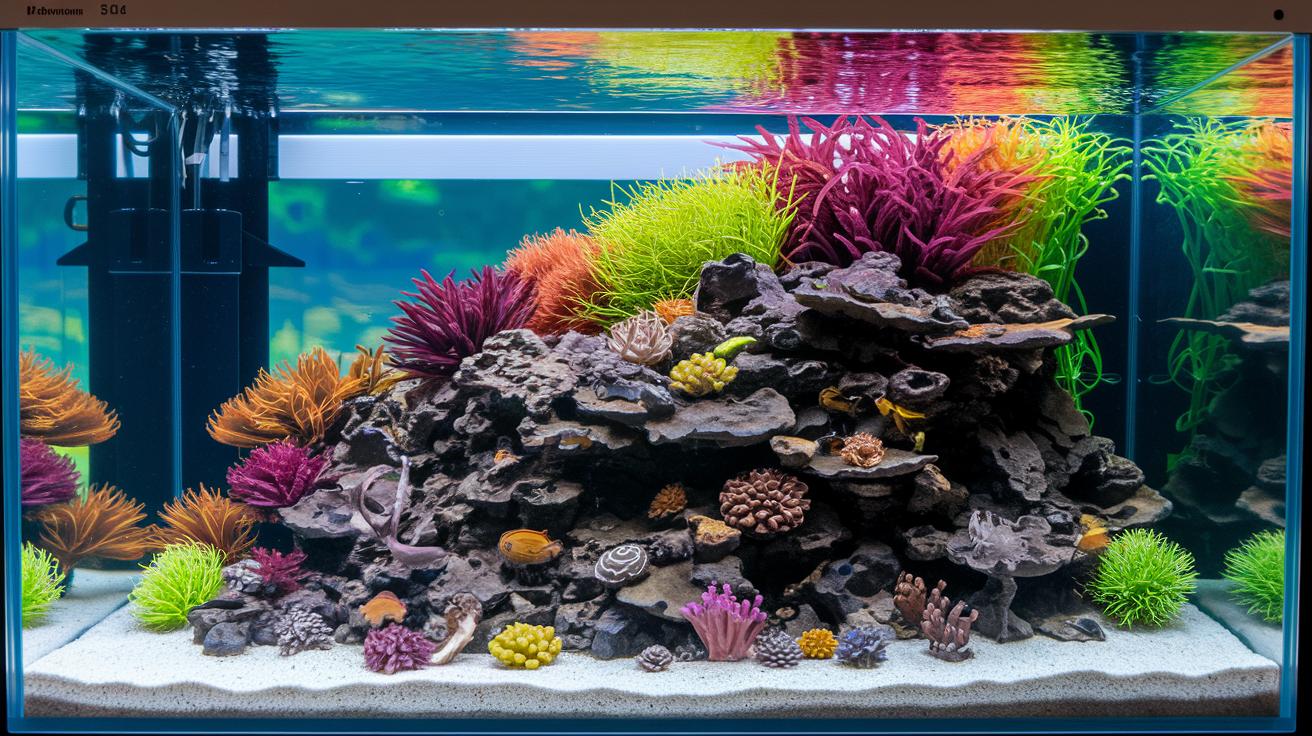
When you decide to set up a saltwater planted display, start by choosing a tank that holds at least 20 gallons. A larger tank makes it easier to keep your water conditions steady, just like a calm sea. Gather your gear first, such as powerheads for a gentle water flow, a protein skimmer to help clean the water, LED lighting for energy savings, and substrate trays that simplify planting. I remember when I moved to a 25-gallon tank; the powerhead instantly made a big difference in water circulation.
Before adding any plants, let your tank cycle for about 4 to 6 weeks. This waiting period helps the good bacteria grow so that toxins stay low. Keep an eye on your water during these weeks, making sure it’s a friendly spot for your new plants. I once waited nearly five weeks and it really paid off when I saw amazing plant growth.
When it’s time to plant, cover roughly 50–70% of the tank base with marine greenery. This not only makes your display look beautiful but also helps to control extra nutrients and keep algae at bay. Try to position the plants near the water flow so they can get the nutrients they need without crowding each other.
Regular maintenance is key once your plants are in. Make it a habit to prune weekly so any dead or extra growth gets removed. Also, do 10–20% water changes often and add nutrients every one or two weeks. With a little routine care, your saltwater planted display will stay healthy, vibrant, and full of life.
Troubleshooting Common Marine Aquarium Plant Issues
When you see yellow leaves and little holes along the edges, it might mean your plants don't have enough iron or nitrates. Check how you add nutrients and think about using a bit of iron to help your plants grow strong and bright. A simple water test can show if nitrates are low so you can fix it before things get worse.
Algae can start to take over if there are too many nutrients or if the light isn’t right. Too much light or too many nutrients can make algae pop up quickly. Try changing your light schedule and cutting back on extra nutrients. This way, your plants still get the energy they need without feeding unwanted algae.
If your plants are melting away, the light might be too dim or the water isn’t moving right. When plants melt, they get stressed and can begin to break down. Check your light levels (often measured in PAR) and see if your water is flowing nicely. Adjust things a bit so your plants feel more secure, like settling into a gentle current.
Sometimes, plants stop growing well because they are missing calcium or magnesium. These minerals help plants build healthy cells. Test your water and add a bit of these minerals if needed. With the right balance, you’ll see your plants grow strong again.
If you notice a plant struggling, try moving it to a quiet spot with softer water flow, like a refugium. Keep a close eye on it and adjust how you add nutrients. With a little extra care, your plant might start to recover and flourish again.
Final Words
In the action of setting up a vibrant saltwater display, we explored top-notch aquatic flora, lighting and substrate tricks, careful fish and plant placement, and practical upkeep tips to boost tank health.
This wrap-up sheds light on how choices like plants for marine aquarium can brighten your underwater world, making your space inviting, lively, and comforting. Enjoy watching your marine haven thrive with well-balanced, easily maintained greenery!
FAQ
What are the top 10 saltwater plants?
The top ten saltwater plants include Spaghetti Algae, Red Gracilaria, Dragon’s Tongue, Mermaid’s Fan, Sea Grapes, Red Mangrove Propagule, Sea Lettuce, Turtle Grass Shoots, Blue Hypnea, and Codium Macro Algae. They improve water quality and offer shelter.
What plants are best for beginners in saltwater aquariums?
The best plants for saltwater beginners include hardy types such as Spaghetti Algae and Sea Lettuce, which are easy to maintain and help improve overall water conditions.
Can live plants thrive in a saltwater aquarium?
Live plants thrive in saltwater aquariums when water, lighting, and substrate meet their needs. They absorb extra nutrients and add a natural look to your tank.
Which saltwater plants remove nitrates in the tank?
Saltwater plants like Spaghetti Algae absorb nitrates effectively, reducing excess nutrients and keeping the water balanced for marine life.
What saltwater plants work well when housed with clownfish?
Saltwater plants such as Mermaid’s Fan provide safe refuge and complement clownfish behavior by offering both visual appeal and practical hiding spots.
What types of saltwater plants are available for sale?
Plants for saltwater aquariums for sale include species like Dragon’s Tongue, Sea Grapes, and Mermaid’s Fan, which are often found at specialty aquarium shops.
What saltwater plant options exist aside from seaweed?
Besides seaweed, saltwater plant options include various algae species such as Dragon’s Tongue and Sea Grapes, which thrive under marine conditions and add texture to your tank.