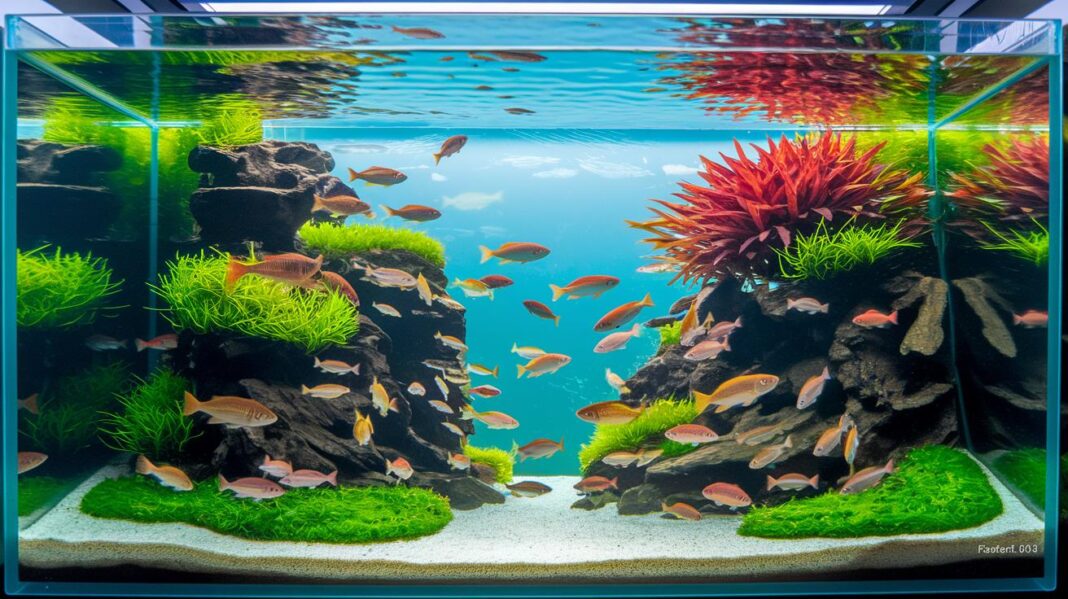

Have you ever wondered if the water in your tank might be stressing your fish? With RO/DI systems, you get water as pure as a mountain spring. These systems clean out even the tiniest bits of chemicals and particles, stuff that regular filters might miss.
The result is a crystal-clear aquarium where your fish can thrive, free from unnecessary stress. And because the water feels so crisp and natural, you can tweak your tank’s chemistry just the way you like it. It’s like giving your aquatic friends a fresh start every day.
RO/DI Systems in Aquaria: Core Benefits for Water Quality
RO/DI systems help create amazing water for your aquarium by filtering out impurities and contaminants, leaving your water at a steady 0 TDS. They use a special, tiny-pored membrane (it has holes only 0.0001 micrometers wide) to remove unwanted bits like salt, heavy metals, chlorine, phosphates, and even little microorganisms. An activated carbon prefilter protects this membrane while a dual-carbon filter polishes off the last traces of impurities, making the water perfect for delicate life like corals and invertebrates. Imagine having water so clear that every shimmer is visible, just like a perfect canvas that makes your fish shine.
By producing water that is 99.9% pure, these systems give you a fresh start to adjust your tank's water chemistry exactly how you like it. Whether you're setting up a reef or a freshwater tank, you can easily tweak the pH and hardness with a few additives after purification. And with models ranging from units that deliver up to 100 gallons per day to those that pump out 75 gallons per day, there’s something to fit any tank size or need.
The benefits are clear: better water quality means fewer pollutants and a reduction in dissolved impurities, making your aquarium look crystal clear. This not only boosts the beauty of your tank but also keeps your fish feeling less stressed and more vibrant. Fun fact: water at 0 TDS creates an environment as refreshing as a natural spring, letting your fish thrive in harmony. For any committed aquarium lover, an RO/DI system is a true game changer.
Comparing Aquarium RO/DI Systems to Traditional Filters
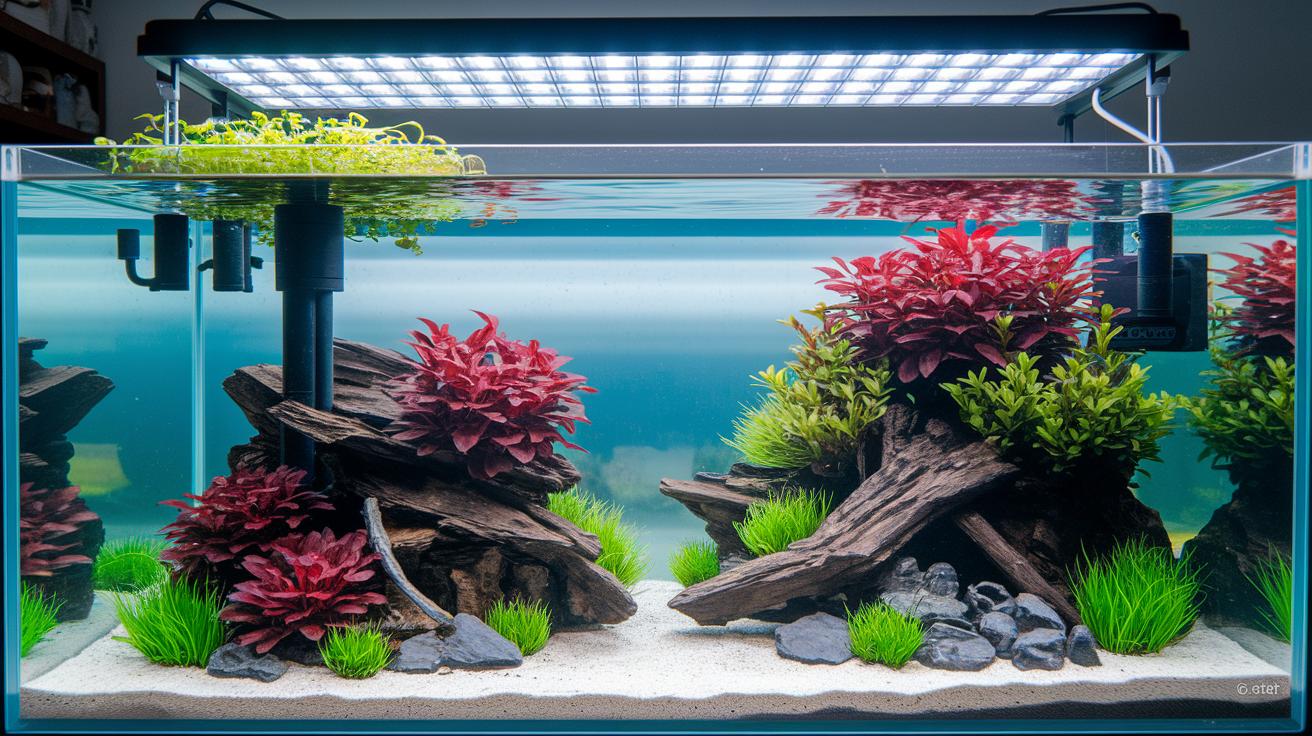
Traditional filters do a good job of catching big particles, but they often miss the smaller, sneaky stuff like dissolved solids, heavy metals, and chloramines. It’s a bit like trying to scoop up only the leaves in a pond while missing the tiny specks of dirt that make the water murky. On the other hand, RO/DI systems use reverse osmosis, a fancy term for a process that pushes water through a super-fine barrier, to sweep nearly all pollutants out of your tank. Even if regular filters pick up what you can see with your eyes, RO/DI systems work hard to drop nitrates to below 1 ppm, well under the typical freshwater standard of 40 ppm, and they get reef phosphate levels down to under 0.2 ppm.
The RO/DI process is a neat multi-step cleanup. First, activated carbon grabs the organic compounds, almost like a sponge soaking up spills. Then, a semi-permeable membrane with very tiny holes (about 0.0001 micrometers) catches the remaining unwanted bits. Finally, a DI resin stage makes sure every little ion is gone, leaving you with wonderfully pure water. This detailed process not only gives you the cleanest water possible, but it also helps keep your tank’s pH balance steady by removing chemicals that regular filters just can’t tackle.
Mixing the strengths of traditional filters with the high purity of RO/DI systems creates a calm, controlled aquatic environment that’s great for sensitive fish. It’s like enjoying the gentle ripple of water on smooth stones, your tank looks clearer and feels more alive, making it a safe haven for all your aquatic friends.
Inside Aquarium RO/DI Systems: Purification Stages Explained
If you’ve ever wondered how your aquarium water stays so clear, let’s dive into the RO/DI system process together. We’ve talked about this before, but here’s a friendly breakdown packed with extra technical tidbits for those who love to know every detail.
The process starts with a pre-sedimentation filter that works like a fine net, grabbing dust, rust, and any loose debris. Then, an activated carbon prefilter steps in to remove chlorine and other organic substances, making sure the precious RO membrane stays protected. This membrane, with its incredibly tiny pores (about 0.0001 micrometers), acts like a super sieve to trap dissolved solids, salts, and heavy metals. After that, a dual-carbon post-filter gives the water that extra polish by catching any remaining impurities. And if you want water that's as clean as can be for sensitive aquatic friends, there’s an optional DI stage that uses special media to lower even the tiniest ions.
For an easy-to-follow summary, take a look at the table below:
| Stage | Function | Removed Contaminants | Typical Lifespan |
|---|---|---|---|
| Pre-sedimentation | Catches dust, rust, and debris | Large particles | 6-12 months |
| Activated Carbon Prefilter | Removes chlorine and organics | Chemical compounds | 6-12 months |
| RO Membrane | Filters dissolved solids | Salts, heavy metals, impurities | 2-3 years |
| Dual-Carbon Post-filter | Polishes water for purity | Residual contaminants | 6-12 months |
| Optional DI Stage | Achieves near-zero TDS water | Remaining ions | Variable |
Customizing Tank Parameters with RO/DI Purified Water
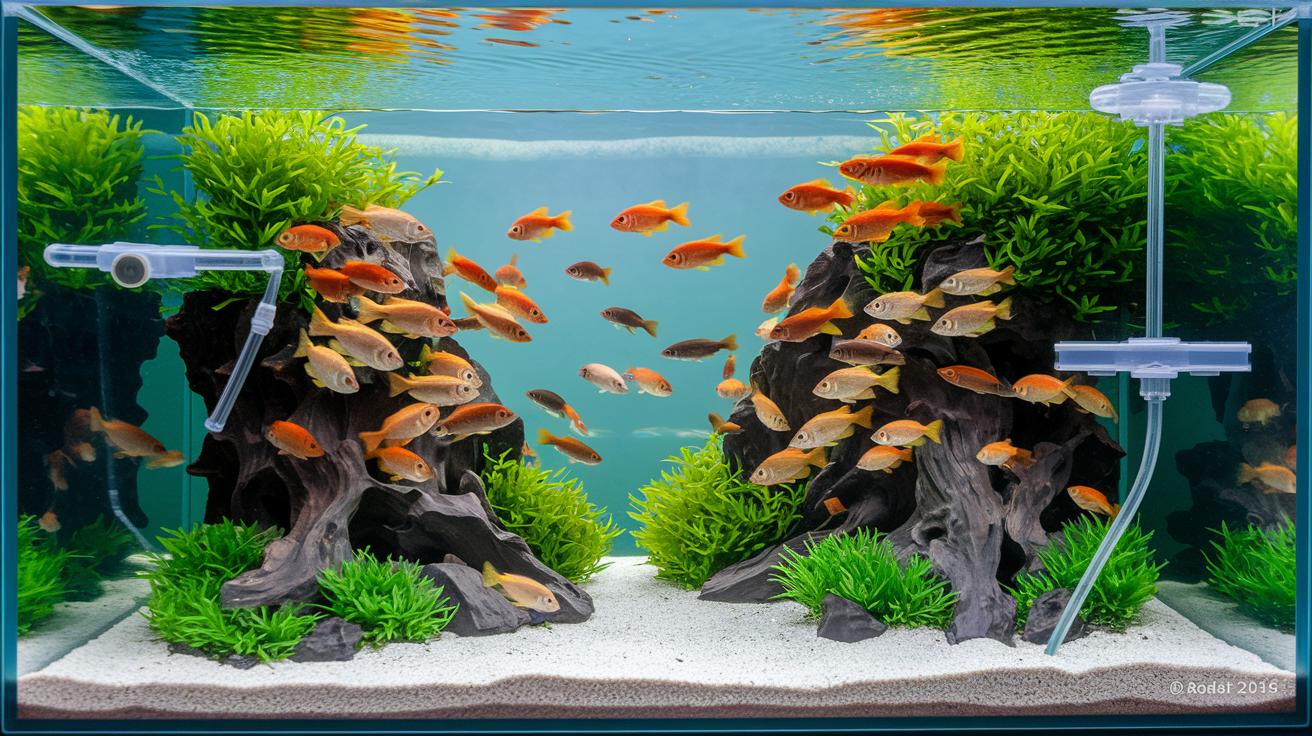
Using RO/DI water sets the stage for water chemistry that fits your aquarium perfectly. When you start with water that is free from tap water surprises, you can easily dial in factors like general hardness (GH), carbonate hardness (KH), and pH. For example, African cichlids love water that feels a bit hard, with GH values over 10° dGH and a pH leaning towards 7.8 to 8.5. On the other hand, many fish from the Amazon prefer softer water, with GH below 4° dGH and pH around 6.0 to 7.0. I still remember my first time using RO/DI water and marveling at how a little change could make my fish act so vibrant!
In reef tanks, RO/DI water is mixed with marine salt blends to hit that perfect specific gravity range of 1.023 to 1.026, which means your corals and other sea creatures get just the right conditions. Kits for controlled remineralization help bring back essential minerals like calcium, magnesium, and carbonate, each one vital for coral growth and overall fish strength. It’s quite soothing to see a tank where every detail feels precisely managed, ensuring stable pH and a water chemistry that lets your aquatic friends thrive.
Maintenance Essentials for Aquarium RO/DI Systems
Keeping your RO/DI system in top shape is like caring for a little underwater world. Flushing the membrane before and after each use helps wash away sediments that build up over time, much like giving your favorite pond a gentle cleaning. Checking TDS readings every week lets you know how well your system is working, so you can spot any changes early on.
Here are a few friendly tips:
- Replace your pre- and post-filters every 6 to 12 months.
- Change the RO membrane every 2 to 3 years.
- Refresh the DI resin when TDS output climbs above 5 ppm.
Digital indicators on many units remind you when it’s time to swap out parts, making routine care easier. And with push-connect fittings, you can quickly remove tubing for cleaning. Using a mild vinegar solution to clean faucets and tubing helps keep the water crystal clear and the system running smoothly.
By following these simple steps, you not only extend the life of your purification unit but also help keep your aquatic environment healthy and vibrant. Isn’t it amazing how a little routine care can make your underwater world sparkle?
Cost Efficiency and Environmental Impact of Aquarium RO/DI Systems
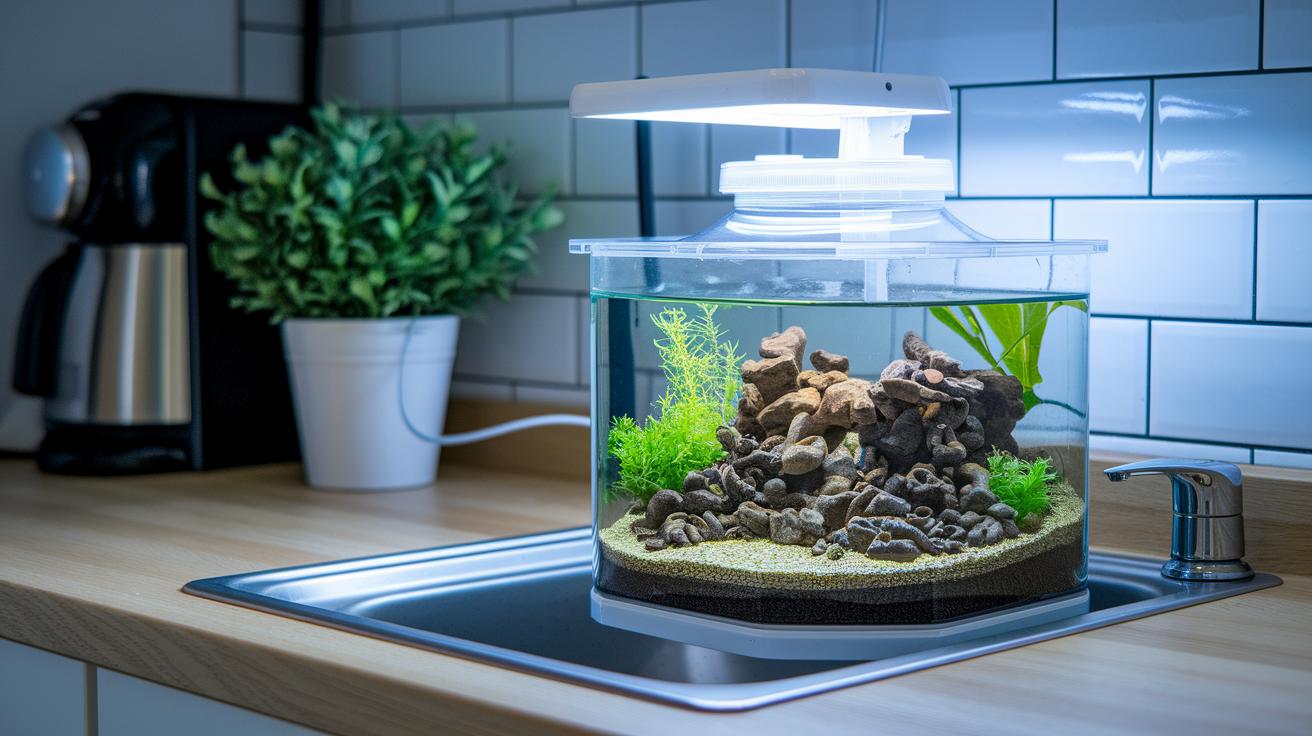
Aquarium RO/DI systems give you clear water and help you save money while being kind to the planet. They come as plug-and-play models with handy tools like faucet diverters and sink adapters, so setting them up is as easy as pie. In many cases, the initial cost pays for itself in about a year compared to the constant expense of buying water from the store.
Using purified water means you use fewer plastic bottles, which is great for everyone who cares about our world. These systems use a closed-loop method, allowing you to even reuse the waste water, perfect for watering your plants. With lower long-term costs, less cleanup, and better water for your fish, these systems blend modern water cleaning with smart waste management in a practical and eco-friendly package.
Final Words
In the action, we saw how RO/DI systems clean your water step by step, from filtering out dust and debris to achieving near zero dissolved impurities, setting the stage for a sparkling aquarium environment.
This process creates crystal clear aquatic habitats and supports healthy fish living. The benefits of utilizing aquarium RO/DI systems shine through in better water quality and easier chemical balance, leaving you with a vibrant underwater world every day.
FAQ
What is an RO/DI system and which models work best for saltwater aquariums?
An RO/DI system is a water filtration unit that removes impurities using reverse osmosis and deionization. It is ideal for saltwater tanks because it delivers near‑zero total dissolved solids, crucial for sensitive marine life.
How do you prepare RO water for a freshwater aquarium?
Preparing RO water for a freshwater tank involves passing tap water through sediment, carbon, and RO stages. This process removes most impurities, allowing you to add minerals later for ideal water chemistry.
How do you remineralize RO water for a fish tank?
Remineralizing RO water means adding controlled amounts of minerals back into the water. This helps balance pH and hardness, ensuring that fish receive the necessary trace elements for strong health.
What are the benefits of using RO/DI water in aquariums?
Using RO/DI water offers nearly contaminant‑free water, which lets you accurately adjust water parameters. This improves clarity and supports the health of both freshwater and reef habitats.
What are the benefits of chemical filtration in aquariums?
Chemical filtration, often via carbon filters, removes chlorine and organic compounds. It protects aquatic life by stabilizing water chemistry and works well alongside mechanical filtration methods for pristine water quality.