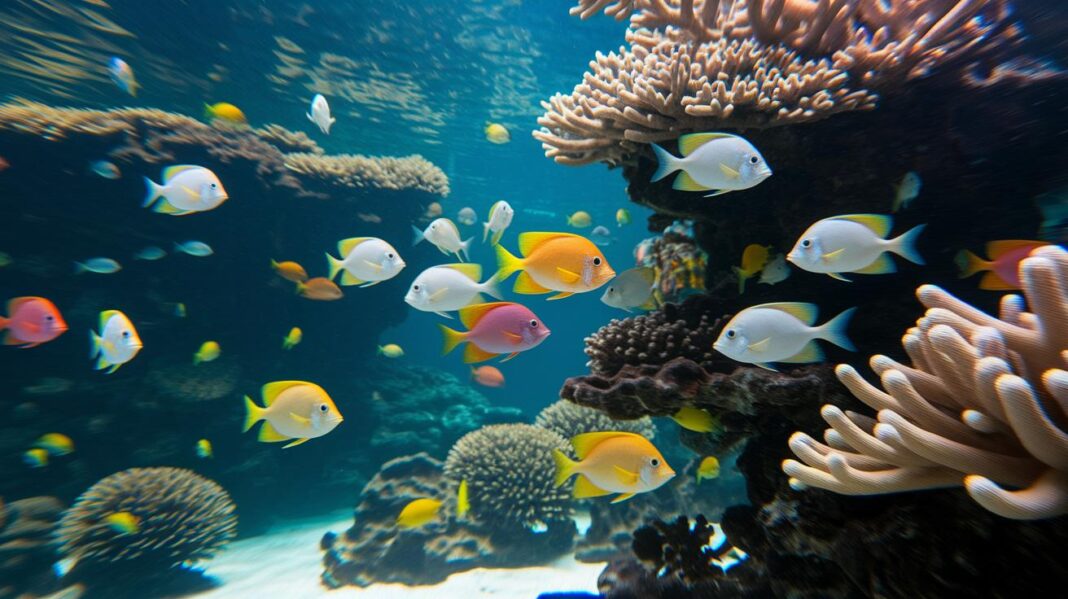

Ever notice how some reef fish seem relaxed, their colors shining as brightly as a sunny day on the water, while others look a bit off? It’s kind of like us, you need a peaceful home to feel your best.
Imagine your aquarium as a little underwater haven. When the water is just right, with safe nooks to hide and tasty, balanced food, your fish can relax and show off their true colors. It’s a bit like setting up a perfect garden where every plant can thrive.
And don’t forget the gentle touch and smart gadgets that help keep your fish happy and secure. Treating them kindly and using simple tech tools can really make a difference.
With these thoughtful tips, you can turn your tank into a calm and inviting space. Your fish will not only look amazing, but they’ll also feel right at home, making every glance into the tank a soothing, delightful experience.
Fundamental reef fish stress reduction techniques
Keeping reef fish calm is super important for showing off their bright colors and strong health. When fish get too stressed, their immune systems drop, they may look run-down, and they even lose their beautiful hues. In other words, too much stress stops them from growing properly and looking their best.
A peaceful tank helps your fish live happily by keeping their body systems working like clockwork. By focusing on a few key ways to cut stress, you can turn your aquarium into a lively, colorful underwater garden.
- Water quality optimization
- Habitat enhancements (using live rock and refugia)
- Balanced nutrition with the right supplements
- Gentle handling and proper acclimation
- Watching for stress signs
- Using smart aquarium technologies
When you mix these ideas together, you create a strong base for keeping your reef fish relaxed. Good water quality means watching the pH, temperature, and ammonia so that your fish aren’t dealing with harmful changes. Adding live rock and refugia gives them little hideaways where they feel safe and less likely to bump into each other. Feeding them a balanced diet with smart supplements helps boost their energy levels and keeps their immune systems in check. Being gentle when moving or introducing your fish also avoids stress and prevents damage to their slime coat. Plus, keeping a close eye on signs like fading color or odd swimming helps you catch problems early. And with modern automated tools, you can keep conditions steady almost every day.
All these steps work together to keep your reef fish vibrant and full of life, showing off the true beauty of your underwater world.
Water quality optimization for reef fish stress reduction
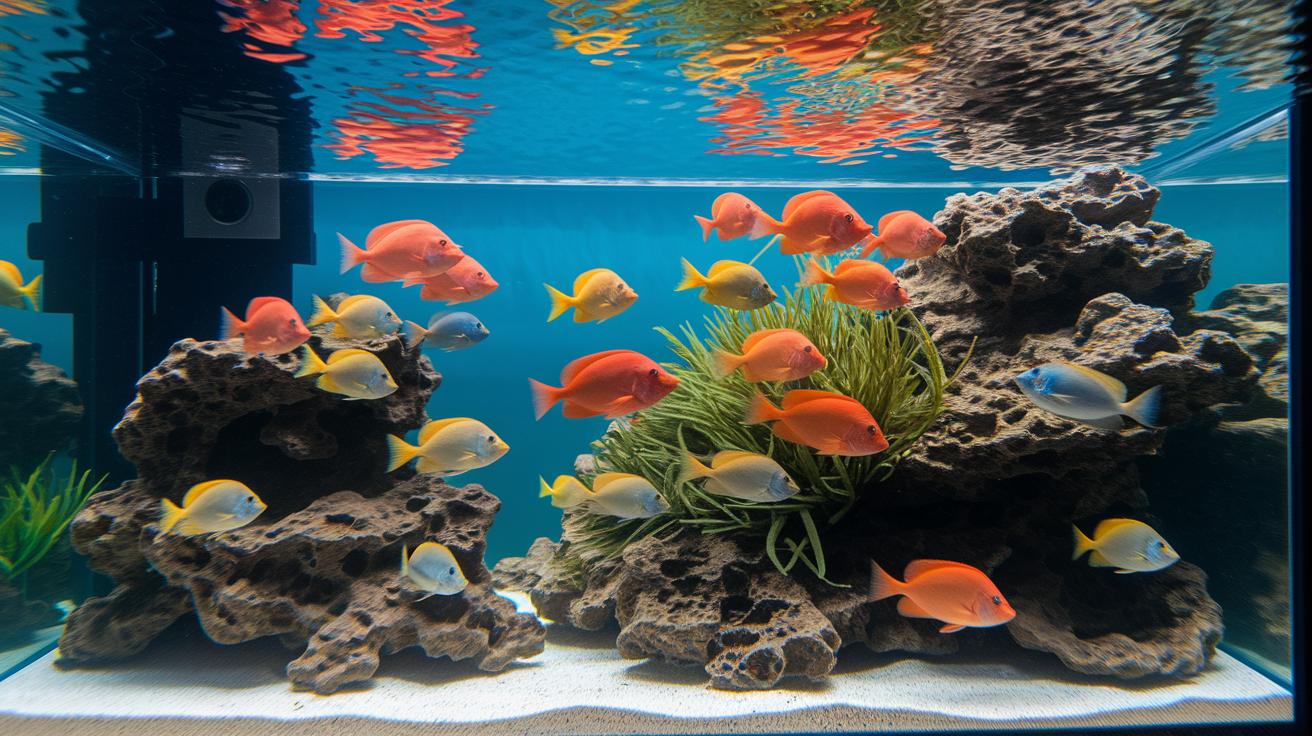
Keeping your reef fish happy starts with stable water chemistry. When water conditions hold steady, your fish feel relaxed, show off vibrant colors, and seem less stressed. It’s like giving them a calm underwater home where every ripple matters. By watching over pH, salinity, and temperature, you not only cut down on harmful toxins, but also support the natural balance that keeps your aquatic friends thriving.
Maintaining ideal pH and salinity
Imagine your tank as a small ocean where the right balance is everything. When the pH stays between 7.8 and 8.4, those tiny bacteria that help break down waste work their best. A quick check with a refractometer can tell you if your specific gravity is right around 1.024–1.026. Taking regular readings means catching tiny shifts before they become big problems, ensuring your fish can swim in an ideal and peaceful space that supports their brilliant hues and playful behaviors.
Controlling ammonia, nitrite, and nitrate
Think of the ammonia cycle as the heartbeat of your tank. If your new setup hasn’t built up a strong biofilter yet, ammonia and nitrite might sneak up, which can stress your fish out. Reliable test kits let you catch these issues early, almost like a gentle nudge. Regular partial water changes act like a refreshing tide that washes away toxins and keeps the water clean, so your fish can grow strong and healthy without the worry of unwanted infections.
Temperature regulation and stability
Imagine a gentle current that stays just right, not too warm and not too cool. Keeping your tank between 76°F and 82°F means your fish stay comfy, avoiding sudden temperature swings that might stress them out. Set your heater correctly and consider backup systems, just like having an extra life jacket for your fish. Automated monitors and auto top-off controls help take the guesswork out of temperature care, reducing manual errors and ensuring that every fish enjoys a calm and steady environment.
Regular checks on every parameter are like a yearly tune-up for your tank. With consistent testing, timely water changes, and smart automated tools, you catch little shifts before they get out of hand. Soon, your reef habitat becomes a serene underwater retreat that keeps your fish bright, joyful, and stress-free.
Habitat enhancements to calm reef fish
When you add live rock to your aquarium, it's like inviting a slice of the wild right into your home. The rock brings along tiny critters that help clean up waste, and its textured surface gives your fish natural spots to nibble and explore. It all adds up to a setup where your fish feel safe and relaxed.
Adding patches of bright, colorful macroalgae is a simple way to boost your tank's vibe. Just like in nature, these algae offer key vitamins and minerals while creating cozy little refuges for your fish to hide and forage. For more awesome tips, check out using natural decor to support aquarium ecosystems.
Mixing different types of substrate, such as sand, gravel, and small pebbles, lets your fish wander through a mini ocean floor. This varied setup gives them a fun, tactile environment where they can search for bits of food and find safe corners to chill. It’s like turning your aquarium into a playful underwater playground.
Finally, adding coral skeletons and little caves turns your tank into a comfortable retreat. These natural structures offer secret nooks where fish can escape when they feel overwhelmed. By mimicking the real complexity of a reef, you create a beautiful and calming habitat that helps marine life thrive.
Nutritional strategies to reduce reef fish stress
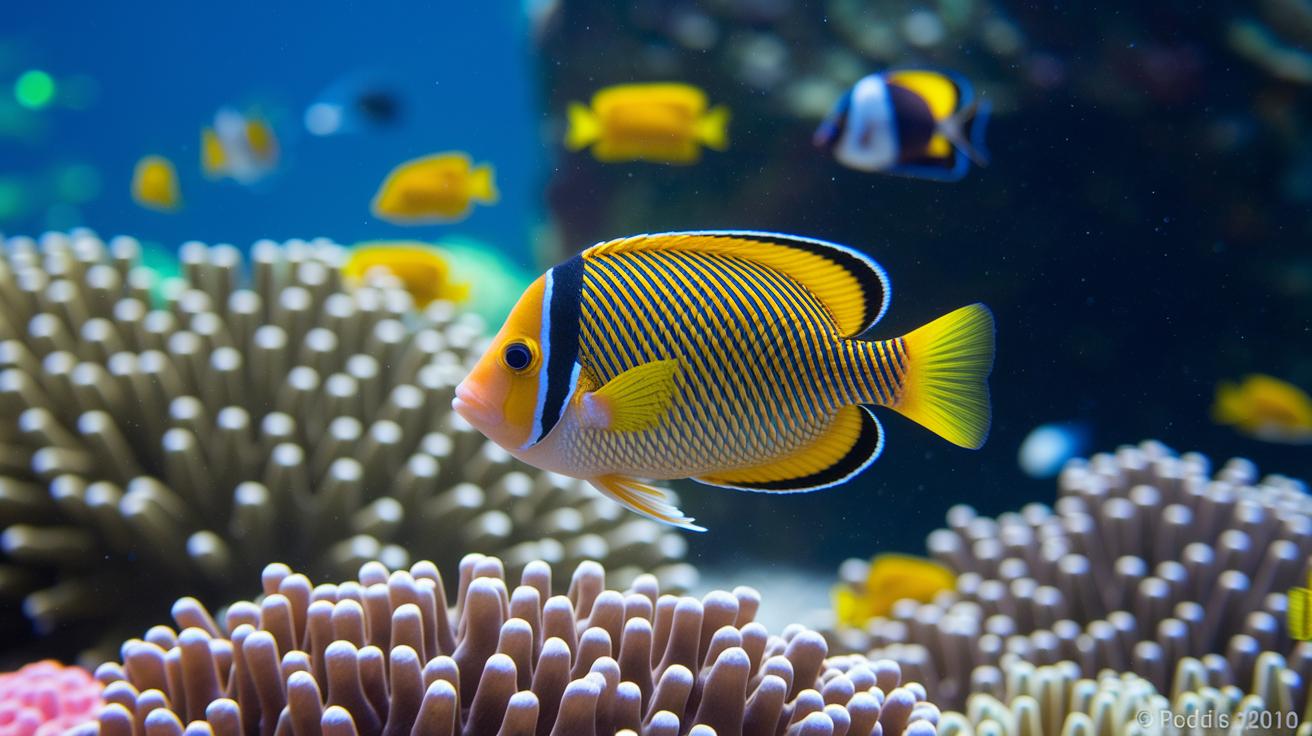
Reef fish do best when they eat a mix of top-quality proteins like plankton, brine shrimp, and enriched pellets. These foods give them the extra boost they need to stay strong, help their colors shine, and support their immune systems. Think of it like putting together a balanced meal that makes your fish feel right at home. Mixing live, frozen, and manufactured foods can let your fish enjoy what nature intended while staying healthy and active.
Adding vitamins and immune-boosting supplements is another smart step. A little help in the form of stress-relief formulas, which include vitamins, immune helpers, and even substances to keep their natural slime-coats intact, can speed up healing and make feeding easier. These benefits are even picked up naturally when the fish drink water from the saltwater in your tank. Well-timed doses can really help them bounce back when they’re feeling a bit off or after any changes in their tank world.
Keeping a regular feeding schedule is just as important. When you feed your fish at set times, with meals spread out like small ripples through the day, you avoid overfeeding and make their digestion easier. Even adding an occasional break with a no-feed day can remind them of how food is found in the wild. This plan helps maintain a calm and balanced routine, easing stress and keeping your reef friends happy and healthy.
Handling and acclimation best practices for reef fish stress management
Moving your reef fish gently is key to keeping them calm and full of life. When you handle them with care, you reduce sudden changes in water that can unsettle them, kind of like easing into a cool, refreshing stream. This careful approach helps maintain their natural defenses and keeps their colors bright.
Start by checking your fish for any obvious signs of illness before you move them. Use a soft, fine-mesh bag and try not to handle them too much. Next, float the sealed bag in their tank to let the water warm up gradually.
Then, use a slow drip method to gently adjust pH and salinity, think of it as slowly blending a favorite smoothie. Over the next 30 to 60 minutes, add small amounts of tank water gradually. Finally, transfer your fish with a soft touch, and if you can, skip the netting.
After these steps, keep watching your fish closely. Notice if they swim differently, lose their bright colors, or act strangely. Paying extra attention during the first few days is like watching gentle ripples in a pond, it helps catch any signs of stress early so you can adjust conditions and ensure your reef home stays vibrant and healthy.
Stress indicator observation methods for reef fish
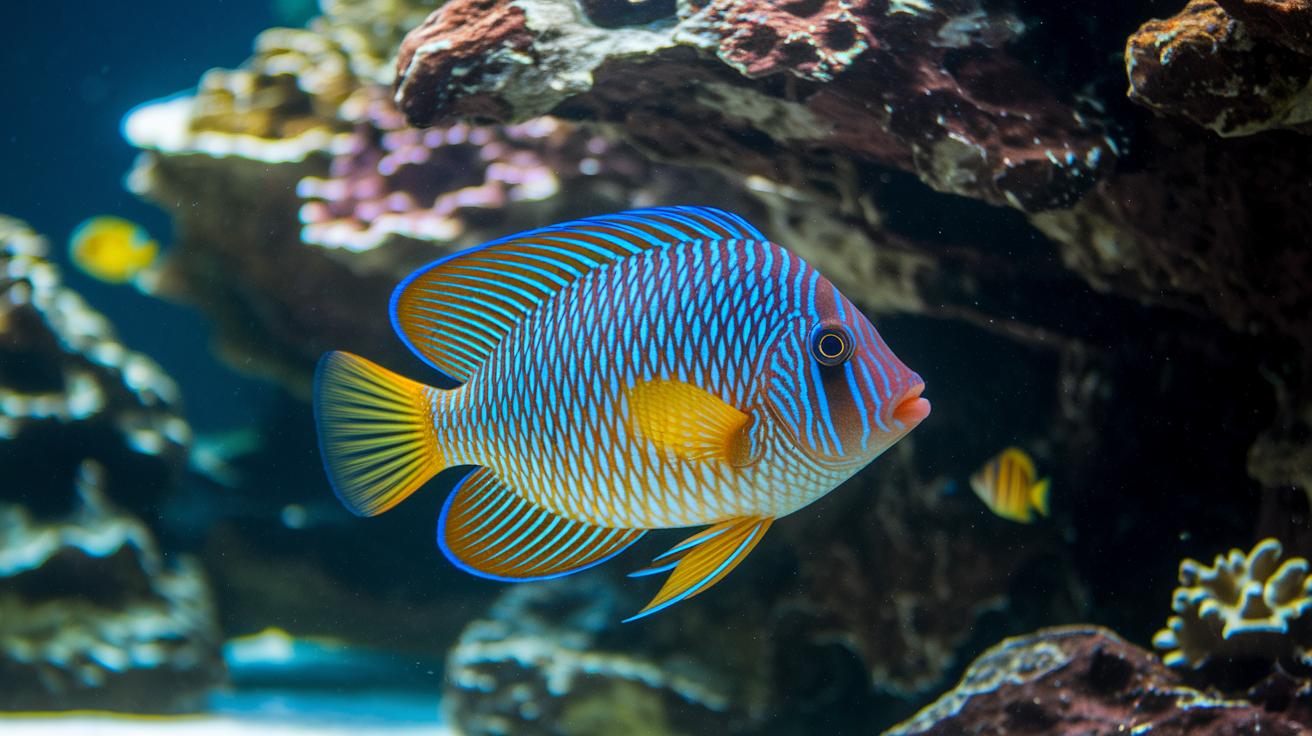
Noticing small shifts in your fish's look is like spotting a whisper of a wave, it tells you they might be feeling stressed. If you see their colors fading, fins held tight, or even tiny spots appearing, these hints mean your fish may be having a tough time. For instance, when a fish known for its bright colors starts looking dull, it suggests its immune system and overall health might be suffering.
Watching how your fish eat is another clear sign. When a fish that once eagerly chased food begins to lose interest or skips meals entirely, it’s a sign that its environment might be upsetting it. Picture a fish that used to zoom around now hanging out at the bottom, it’s definitely a signal to keep a closer eye on its feeding habits.
Their swimming and social habits also speak volumes. If you notice odd movements, frequent hiding, or your fish keeping away from its tank mates, it might be feeling stressed. Imagine a once lively, playful fish suddenly swimming in strange loops or isolating itself, that’s a clear sign something isn’t right.
To catch these changes early, try keeping a photo log or a simple checklist. By snapping regular photos of your tank, you can compare them over time to spot even the slightest changes, such as a shift in color or body shape. This handy diary of observations can alert you quickly when your reef fish start showing signs of stress.
Advanced aquarium technologies for reef fish stress reduction
The newest aquarium tech tools help you keep a calm and steady home for your reef fish. These clever automated systems handle the routine work by keeping water conditions just right, which means less fuss for you and a more peaceful spot for your fish.
Auto top-off and dosing systems
Auto top-off systems add water on their own to keep the salt levels steady, so your fish never get thrown off by sudden changes. Dosing systems work like a smart helper too, adding tiny amounts of supplements or chemicals to keep the pH and alkalinity in balance. It's all about making sure your tank stays just right without you having to watch over it all the time.
Integrated aquarium controllers
Today’s aquarium controllers are packed with sensors that keep an eye on things like pH, temperature, and even oxidation levels constantly. If something starts to go awry, these systems can kick in dosing pumps or send you an alert. With built-in data logging, you can track how things change over time and make smart choices to keep your reef safe and stable.
Sterilization and lighting solutions
Sterilization tools like UV sterilizers and ozone units help reduce harmful bacteria, so your sensitive fish remain at ease. Meanwhile, sophisticated LED lighting with programmable dusk-to-dawn cycles mirrors the natural rhythm of light, easing your fish into a smooth daily routine without any sudden surprises.
Using these advanced tools means your aquarium runs smoothly with much less hands-on care. They work together to prevent sudden shifts in water quality and lighting, letting you focus on other pleasures of reef keeping while your fish enjoy a calm and healthy environment.
Final Words
In the action, we covered a range of ways to keep reef fish healthy and happy. We walked through water quality management, habitat enhancements, proper nutrition, gentle handling, stress indicator checks, and even advanced aquarium tech.
Using reef fish stress reduction techniques creates living spaces that feel natural and safe. Adopting these steps helps your aquatic friends show off their best colors and thrive, making your aquarium a soothing home. Enjoy the calm and beauty every day!
FAQ
What are the best reef fish stress reduction techniques?
The best reef fish stress reduction techniques involve water quality control, habitat improvements, balanced nutrition, gentle acclimation, stress observation, and modern equipment—all designed to create a serene tank environment.
How should you treat stressed fish and destress them after water changes?
The best approach to treating stressed fish is to gradually change the water, stabilize key parameters, add soothing supplements, and reduce handling so fish can adjust and revive their natural colors.
Can a stressed fish recover and return to normal health?
A stressed fish can recover by enjoying a stable tank with proper nutrition, controlled water quality, and minimal handling, encouraging a slow but steady return to strength and vibrant coloration.
What are common symptoms of stressed fish?
Common symptoms of stressed fish include faded colors, clamped fins, erratic swimming, and reduced appetite—signals that tank conditions need slight adjustments and closer observation.
What fish stressors exist and how can they be minimized, including for Oscar and betta fish?
Fish stressors like poor water quality, sudden habitat changes, and overcrowding can be minimized by carefully regulating tank parameters, designing natural habitats, and gently acclimating species like Oscar and betta fish.
What is Stress Guard in relation to fish stress relief?
Stress Guard typically refers to products that help support fish immune systems and stabilize water conditions, acting as an extra layer of protection during stressful events such as tank maintenance.