
Have you ever wondered if cleaning your fish tank could be a breeze? It might seem like a long, hard job, but it really doesn’t have to be.
With just a few easy steps, you can keep your water clear and your fish swimming happily. Think of it like wiping a foggy window on a cool morning to reveal a bright, beautiful view beneath.
This guide shares a simple routine to save you time while making your tank a safe, sparkling home for your aquatic pals. Imagine the gentle hum of your filtration system working like a soft ripple, keeping everything just right. Enjoy the chill of a stress-free clean, and let your fish enjoy their little underwater world.
how to clean a fish tank efficiently: Sparkle
Keeping your fish tank clean doesn’t have to be a big hassle. A quick, careful cleaning can make sure the water stays clear and your fish feel right at home. Plus, a smooth cleaning routine helps stop too much algae and keeps the good bacteria balanced, which is important for your aquatic buddies.
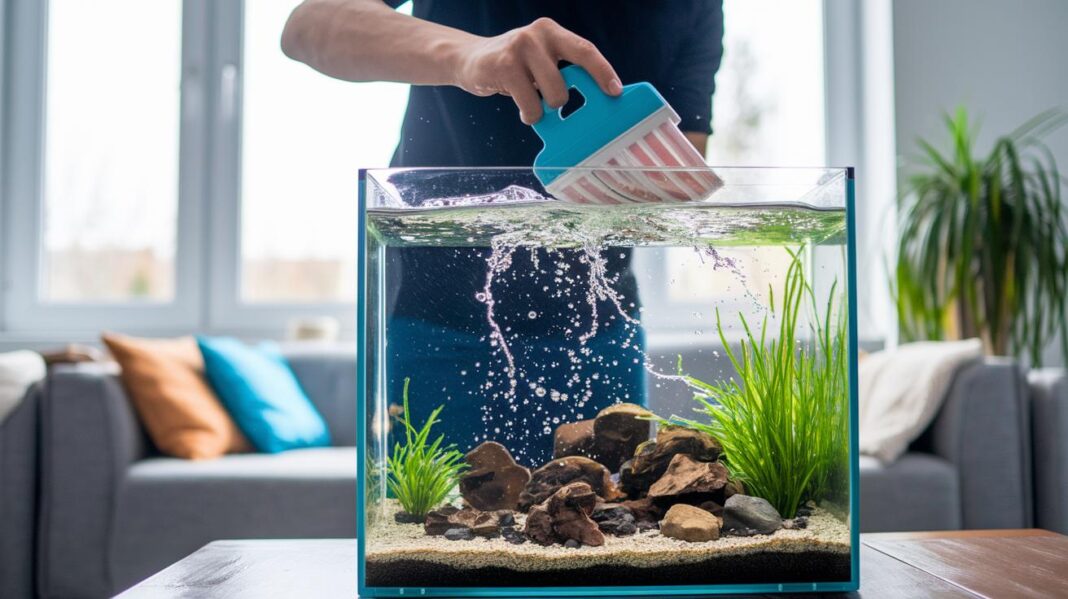
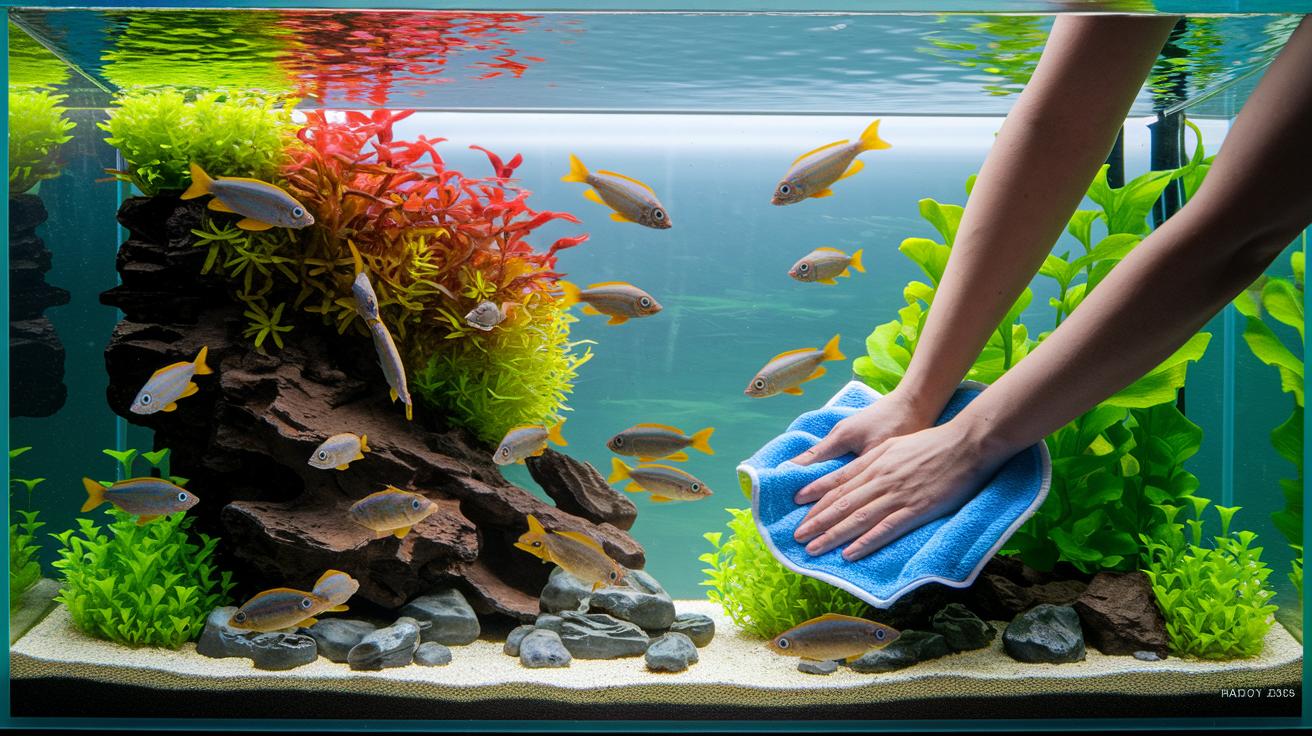
- Scrub inside glass – Gently run an algae scraper or a soft pad over the tank’s glass, kind of like wiping away the fog on a window so you can see the beautiful water inside.
- Clean decorations – Every few weeks, give your coral ornaments, plastic plants, and decorative rocks a good rinse under the tank water so they don’t get covered in algae.
- Trim plants – Lower the water level a bit and remove any items blocking your access. Then, snip off any dead leaves from your live plants and trim about 30–50% of the overgrowth to keep them healthy.
- Vacuum substrate – Use an aquarium siphon to gently vacuum about one-third of the gravel. It’s like cleaning up little bits of food and waste, and it’s done gently so your fish aren’t disturbed.
- Change water – Replace 25–50% of the water to get rid of toxins and boost the oxygen. Just make sure the new water matches the tank’s temperature so your fish aren’t surprised.
- Service filter – Remove the filter cartridge and cleaning its casing in tank water. Rinse the filter media lightly to keep the good bacteria safe.
- Wipe exterior – Finally, clean the outside of the tank including the lid, stand, and lights using an aquarium-safe cleaner. It leaves everything looking as sparkly as the water inside.
Each of these steps helps reduce stress on your fish and keeps the tank a healthy, clear place to swim, just like the gentle ripple of water over smooth stones.
Pre-Cleaning Aquarium Preparation
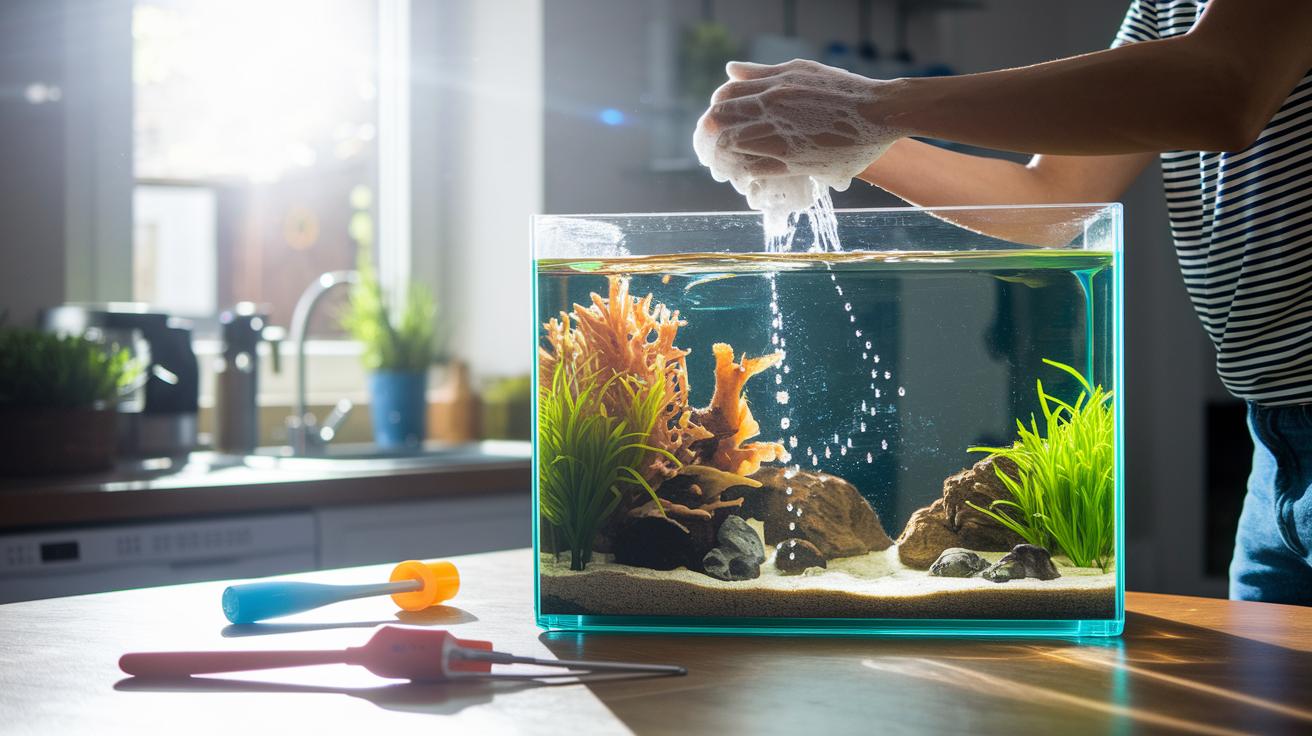
Before you start cleaning, wash your hands and arms up to your elbows. This helps keep unwanted dirt or oils from getting into your tank and upsetting the balance of your water. It’s like clearing leaves off a pond before a rain.
Next, turn off and unplug the heater, filter, and lights. This simple step stops any chance of damage or a stray shock, making sure both you and your fish stay safe while you work.
Then, gather all your tools, a scraper for algae, soft brushes, a siphon, buckets, dechlorinator, and fish-friendly cleaning solutions. Using gentle cleaners instead of harsh chemicals protects the good bacteria in your tank and keeps your fish calm and happy, much like caring for a garden of underwater life.
Effective Glass, Decoration, and Plant Cleaning Techniques
Taking care of your tank’s glass and decorations is like keeping a window clean on a lively underwater world. A gentle touch helps keep your fish safe and the water clear, ensuring you always have a bright view of your aquatic friends.
Glass Scrubbing
When it comes to cleaning your tank’s glass, stick with a soft, non-abrasive pad or an algae scraper that won’t scratch the surface. Move slowly with gentle strokes, especially along the corners where the gravel meets the glass. Think of it like carefully drawing a line down a window, steady work that keeps both the glass and your fish safe.
Decoration Cleaning
Every few weeks, give your tank ornaments, plastic plants, and rocks a little scrub under tank water. Use a soft brush or sponge to clear away any buildup without damaging the surfaces. Imagine you’re gently rinsing off a beloved keepsake, letting any green film simply wash away. This method helps maintain the natural charm of your little underwater landscape.
Plant Pruning and Maintenance
When you drain some water, now’s a great time to trim your live plants. Remove any decaying leaves and trim back about a third to half of any overgrown parts to let more light and fresh air in. It's a bit like giving your plants a refreshing haircut so they can grow strong. Be sure to rinse the trimmed parts delicately to keep debris out of your tank.
By doing these tasks with care, you create a peaceful and clean environment that lets your aquatic world shine without stressing your fish.
Efficient Substrate Vacuuming and Detritus Removal
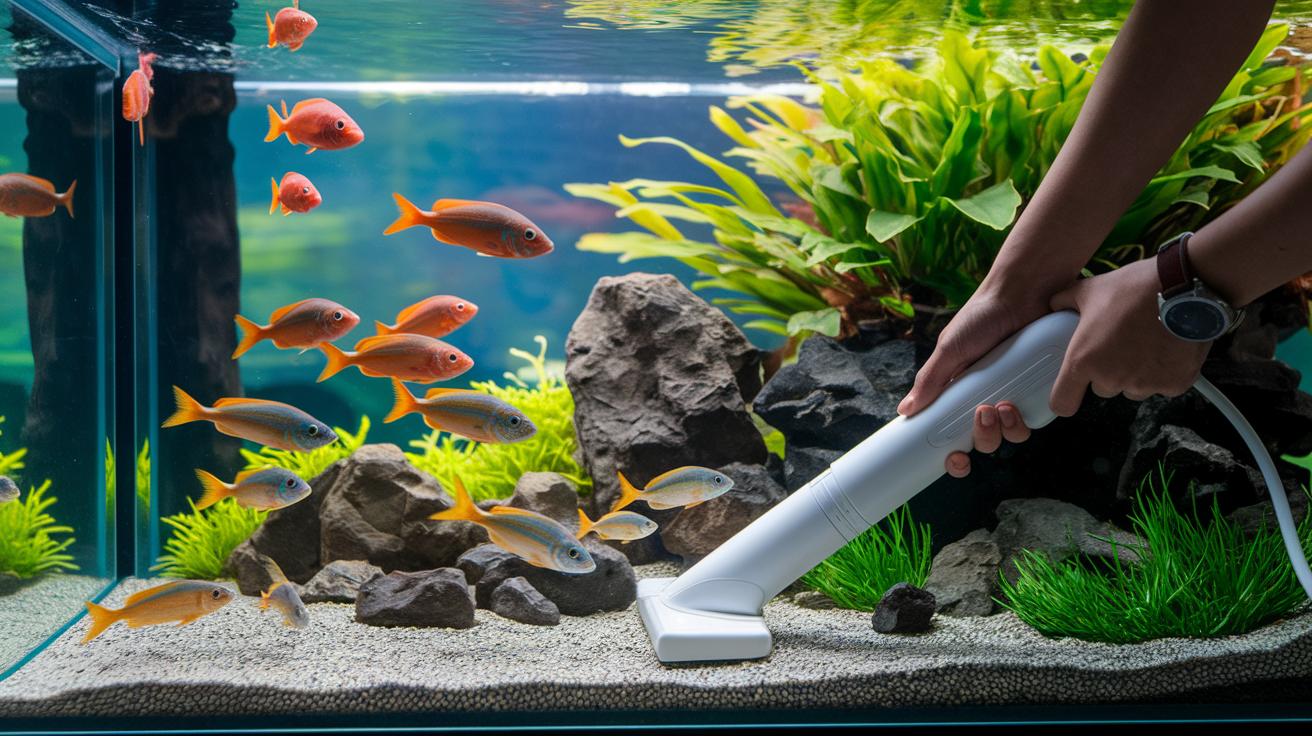
Vacuuming your tank's gravel is key to keeping your water clear and helping the good bacteria break down waste. Using a siphon is like guiding a gentle current through your tank as you carefully clean around decorations and neatly trimmed plants. Usually, you only clear about one-third of the debris with each pass, as if you're slowly and steadily moving through a calm stream.
This careful, relaxed routine helps keep your fish stress-free while protecting your plant roots. Collect the water gathered by the siphon in a bucket; it becomes a nutrient-rich mix that you can reuse for a water change or even for watering your garden. I often fill a small watering can with this water, giving each drop a second chance to do some good.
Aquarium Filter Cleaning and Beneficial Bacteria Preservation
Your filter does more than just trap debris from your fish tank. It also gives a home to tiny, helpful bacteria that break down waste to keep the water safe for your fish. These good bacteria live on the filter media and work hard to turn harmful substances into milder ones.
Before you clean, unplug the filter to be safe. Then, remove the filter cartridge and rinse it using water from your tank. Doing this helps keep the beneficial nitrifying bacteria intact. Next, gently wash the filter housing and the impeller using a slow stream of water instead of scrubbing hard. Take your time with every part, the media, the cartridge, and the housing, because a gentle rinse is all you need to clear away debris and preserve those helpful bacteria.
It’s a good idea to clean your filter parts about once a month and switch that care with substrate cleaning to keep ammonia levels low. When your filter is in good shape, it runs more quietly and shows it’s working well. If you start hearing too much noise or notice your fish breathing harder after cleaning, it might mean air bubbles or build-up are causing a hiccup in the system. Keep up with a regular cleaning schedule, and you’ll help maintain clear water and a healthy environment for your aquatic friends.
Optimal Water Change and Conditioning Methods
Regular partial water changes are like giving your fish a little vacation in fresh water. Changing 25–50% of the tank water, especially after vacuuming, helps wash away built-up toxins, lifts oxygen levels, and keeps your aquatic friends feeling comfy. It’s a bit like hitting the reset button on your tank, keeping everything lively without causing any stress.
When it’s time to refill, always make sure the new water is the same temperature as your tank, within 1–2°F. This step is key to preventing any shock to your fish. Also, treat the new water with a dechlorinator (it’s a simple tool to remove pesky chemicals) before you add it in. If you use water-friendly additives that boost fish health, mix them in now too. Let the treated water sit for a few moments before filling up the tank. And don’t forget to check your water’s key numbers: aim for 0 parts per million (ppm) ammonia, 0 ppm nitrites, and under 40 ppm nitrates. This helps keep any unwanted chemicals away from your fish.
Keeping your water chemistry balanced is just like maintaining a perfect underwater dance. Test your water regularly and adjust the pH slowly if needed. This careful balance creates a safe, clear space where your fish can thrive. Enjoy the process like watching gentle ripples on a quiet lake, a simple routine that makes a big splash in keeping your underwater world healthy.
Post-Cleaning Stabilization and Routine Maintenance Schedule
After you top off your tank with fresh water, switch on both the heater and the filter. Let the system run for about an hour so the little bits and pieces can settle out and the water gets nice and stable. While you wait, grab an aquarium-safe cleaner and gently wipe down the glass, lid, stand, and lights. This extra step not only keeps your tank sparkling but also gives you the comfort of knowing your fish have a safe space to swim.
Keeping a regular cleaning schedule is the secret to a clear, healthy aquarium. Think of it like a simple routine that fits your tank size, the number of fish you have, and what your water tests show. A handy checklist can really help keep things on track:
| Frequency | Task |
|---|---|
| Weekly | Scrape off any algae from the glass and replace 25% of the water to help reduce waste buildup. |
| Monthly | Check and gently clean the filter. This helps keep the water moving without disturbing the friendly bacteria that work hard to keep your tank healthy. |
| Quarterly | Deep clean your decorations to remove any stubborn algae or buildup that regular cleaning might miss. |
| As Needed | Adjust the frequency based on your tank’s particular needs and the number of fish. This keeps the water crystal clear and your fish happy. |
Avoiding Common Fish Tank Cleaning Mistakes
Using strong chemicals or soaps when cleaning can hurt the friendly bacteria in your tank and leave behind harmful traces. Instead of scrubbing all your filter media at once, switch up your routine a bit so you keep the natural balance that makes your water safe. Over-cleaning wipes out the good bacteria that break down waste, and using harsh cleaners is like adding toxic stuff into their peaceful home. Stick with gentle, fish-safe products to keep your tank vibrant.
Moving your fish out during cleaning can stress them and even lead to injuries, so it's best to leave them in their watery home while you work. If you hear extra noise coming from your filter, it might be trying to push out trapped air; a gentle re-priming can help instead of taking it apart completely. And if your fish seem to be breathing hard after a cleanup, check the water for shock or an imbalance in pH. Watching these signs helps you catch small issues before they disturb the water's quality.
Final Words
In the action, we covered a step-by-step guide on how to clean a fish tank efficiently. We walked through cleaning the glass, decorations, and plants; vacuuming the substrate; servicing the filter; and doing water changes. We also talked about getting ready before the cleaning and restarting your system afterward. Each step helps keep the water clear and your aquatic friends comfortable. Follow these tips to keep your tank sparkling and healthy, and enjoy every gentle ripple in your underwater world.
FAQ
FAQ
How to clean a fish tank efficiently at home, as seen on Reddit and other forums?
The efficient cleaning method starts with unplugging equipment, scrubbing the glass and decorations, vacuuming the substrate, and performing a partial water change—all while keeping the fish in place to reduce stress.
How to clean a fish tank with no equipment or without a vacuum?
The process for cleaning a fish tank without specialized tools involves using a soft cloth or sponge to wipe down surfaces and careful water changes to flush out debris while maintaining a safe environment for the fish.
How often should you clean a fish tank with a filter and overall?
The cleaning frequency typically involves a weekly algae scrape and 25% water change, with monthly filter maintenance, adjusting based on tank size and fish load to keep water quality optimal.
How to clean a fish tank with vinegar?
The vinegar cleaning method uses a diluted solution to gently wipe down the glass; afterward, thoroughly rinse to remove any trace, ensuring your aquatic friends aren’t exposed to harmful residues.
How to clean a fish tank glass?
The approach for cleaning tank glass involves using an algae scraper or a non-abrasive pad to remove film and buildup, ensuring the cleaning tool doesn’t scratch the glass or disturb the gravel.
How to clean a small fish tank?
The cleaning process for a small fish tank mirrors larger setups but with extra care: gently clean the glass and decorations, perform moderate water changes, and use appropriately sized tools to avoid overhandling the environment.
Do you leave fish in the tank when cleaning?
The common practice is to leave fish in the tank during cleaning, as this minimizes stress and injury by keeping them in their familiar territory while you work around them.
What not to do when cleaning a fish tank?
The key mistakes include avoiding soaps and harsh chemicals, not overcleaning filter media, and never removing fish from their tank—actions that can disrupt beneficial bacteria or cause stress to your aquatic pals.