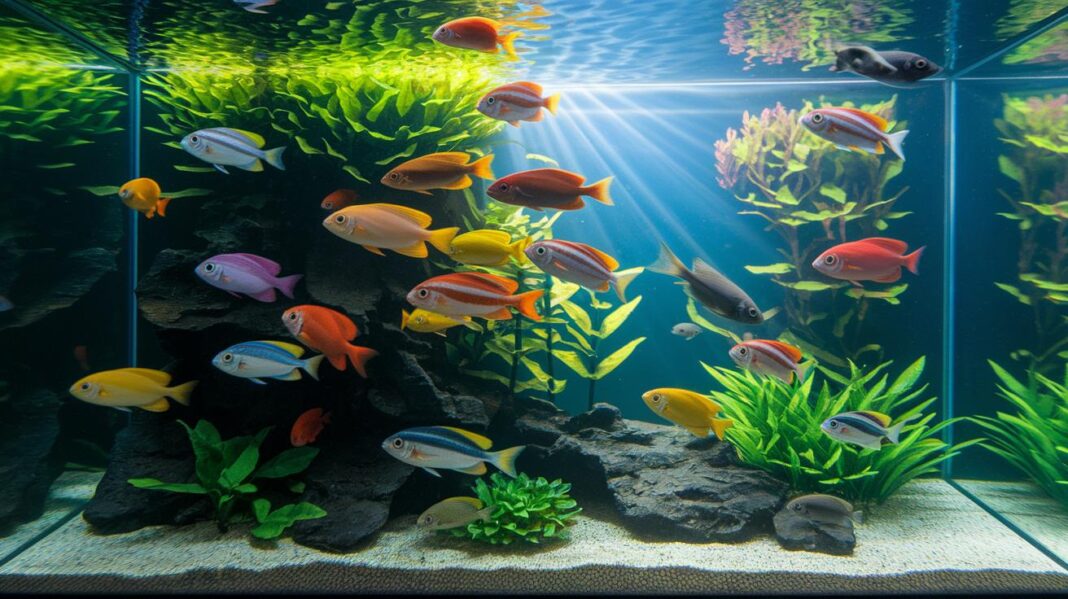

Ever wonder if the food you choose could be stressing out your fish? Picking the right meal for your underwater buddies is a bit like finding the perfect pair of shoes, they need to fit just right. Each fish has its own swimming style, so top feeders enjoy food that floats on the water while bottom dwellers do best with sinking pellets.
Even a small mistake in choosing the right food can leave your fish feeling uneasy and less excited about mealtime. In this guide, I'll walk you through simple questions and steps to help match the food with your fish’s feeding style. That way, every meal is a little celebration of good health and happy fins.
Key Criteria for Selecting the Best Diet for Aquarium Fish
Choosing the right food for your fish starts with knowing that each fish has its own feeding style. For example, gouramis that swim near the top enjoy floating meals, while bottom feeders like catfish need sinking pellets. It’s a bit like picking the perfect pair of shoes, every fish gets the fit that works best for them. Did you know that even a small mix-up in food buoyancy can stress your fish and reduce their appetite?
Next, ask yourself three simple questions. First, is this food meant for an aquarium or a pond? Second, does it match where your fish naturally feed, at the top, middle, or bottom? And finally, are your fish picky or do they eat just about anything? Answering these helps you decide between regular dry food and special treats like live or frozen options. It’s like checking off a list to make sure every meal is spot-on.
Balancing your fish’s diet means blending everyday feeds like pellets and flakes with occasional live or frozen treats. Keep an eye on details such as the ingredient list, pellet size, and how the food behaves in the water. For instance, if a pellet sinks too quickly, a bottom feeder might gobble it up before a top swimmer even notices. These little details guide you in choosing the best food to help your fish stay happy and healthy.
Nutrient Requirements for Aquarium Fish: Species-Specific Guidelines
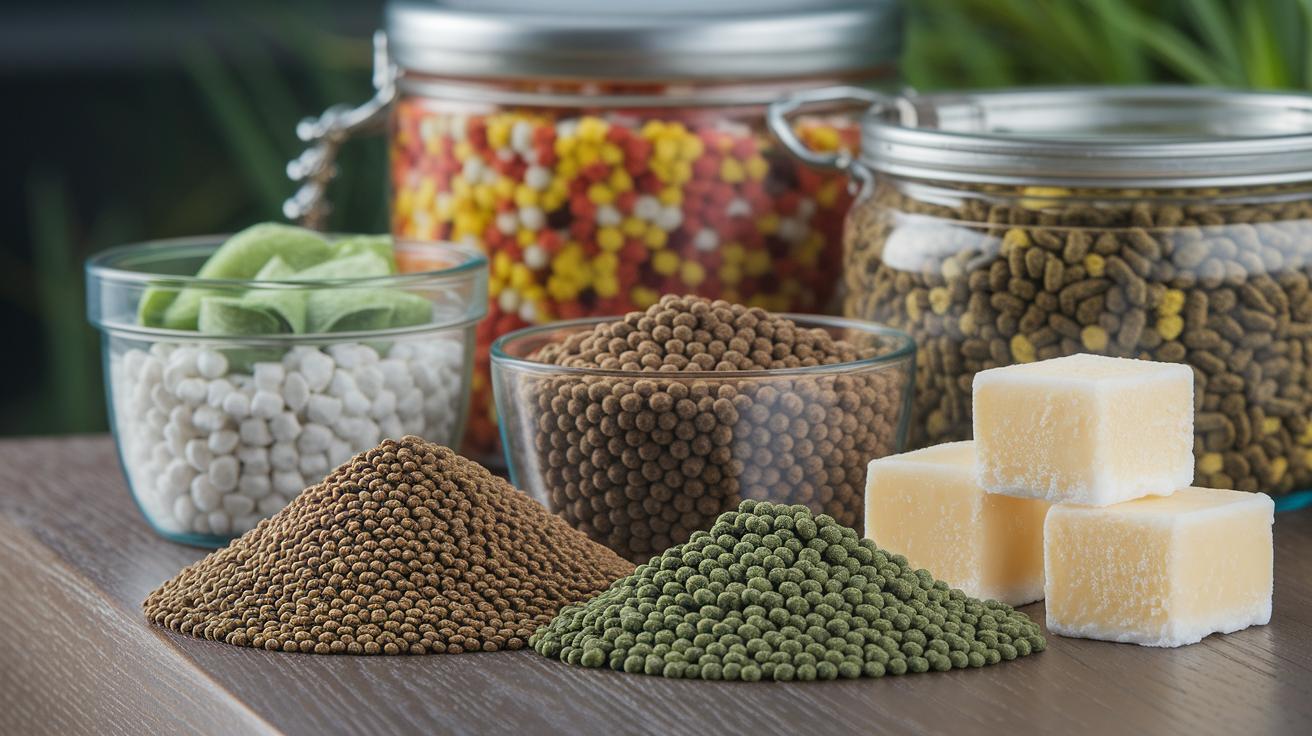
Fish have different needs based on what they naturally eat and their spot in the water. Some nibble on plants, some on meat, and others enjoy a mix. Herbivores thrive on plant-based meals boosted with extra fiber and key nutrients, while carnivores do best on meals rich in protein and good fats. And don’t forget, where a fish swims matters, a fish at the top likes floating or slow-sinking food, whereas bottom dwellers need food that sinks right to them.
Choosing the right food means matching it to your fish’s habits and energy needs. For example, carnivores might enjoy denser pellets with plenty of protein to help build strong muscles, while herbivores benefit from ingredients that make digesting plants easier. This careful approach makes it simpler to pick the perfect feed for your tank.
| Diet Category | Recommended Feed Type |
|---|---|
| Herbivore | Plant-based meals with extra fiber and plant nutrients |
| Carnivore | Protein-rich feed with essential fatty acids |
| Omnivore | A balanced mix of proteins, fibers, and fats |
Comparing Types of Aquarium Fish Foods from Pellets to Live Feed
When it comes to feeding your fish, it’s like choosing the best spot by the water’s edge, each option has its own ripple of benefits and a few challenges. You want the food that fits your fish’s habits perfectly.
Flakes are a solid choice if your fish love nibbling at the surface. They float and give a balanced mix of nutrients, which brings out natural feeding behavior. But, if your tank water gets a bit too choppy, they might just start to crumble.
Pellets pack a nutritional punch in a compact form that sinks slowly. They work well whether your fish are mid-water swimmers or bottom feeders. Sometimes though, fast-eating fish might find them sinking a little too slowly.
Frozen cubes are a great way to boost your fish’s diet with fresh, rich nutrients every now and then. Just remember to thaw them properly and keep them stored the right way so they stay safe for your fish.
Freeze-dried foods are really handy because they last so long and pack concentrated nutrition. They’re easy to use but need a little water to get back to their natural texture, which might change how your fish enjoy them.
Live feeds are the closest to what fish would eat in the wild, sparking those natural, instinctive feeding moves. However, you need to be careful about where they come from because they might carry germs.
In the end, finding the right food is like setting up your very own underwater paradise: match the feed with your fish’s habits and water preferences, and you’re on your way to keeping your tank vibrant and healthy.
Evaluating Feed Quality: How to Select Quality Aquarium Fish Feed
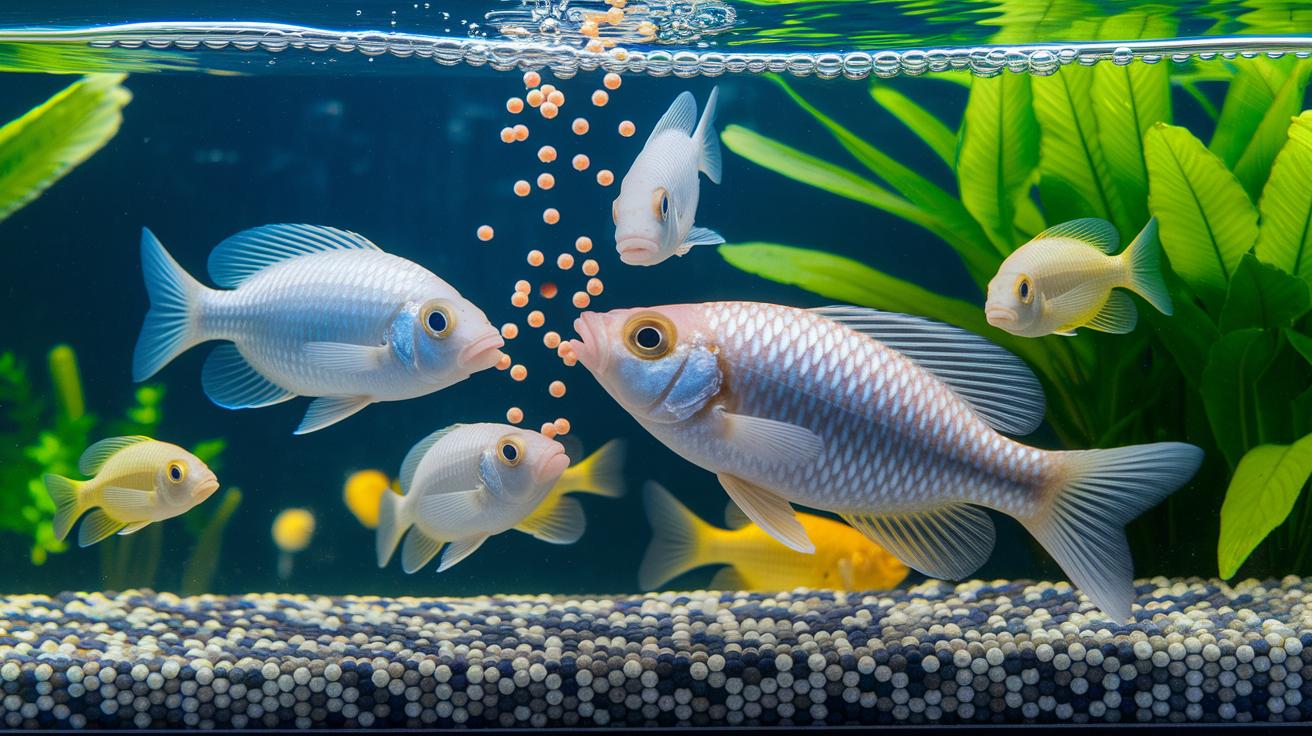
Start by watching how your fish eat. You want them to finish their meal in about five minutes, like the gentle ripple of water across a smooth stone. If you see food lingering at the bottom or floating on its own for too long, it might mean the pieces are too big or simply not appealing. In those moments, try adjusting the portion or changing the feed type to see if your fish become more interested.
Next, how you handle and store your fish food is super important. Think of keeping your feed as fresh as the clear water in your favorite aquarium. Dried foods work well with automatic feeders that deliver steady portions, while frozen feed needs a careful thaw right before you serve it. If you don’t store your feed properly, it could spoil or even grow mold, reducing both its taste and nutritional value. Keep it in a cool, dry place away from sunlight, and your feed will stay potent, helping your fish bloom just like a vibrant coral reef.
Finally, always take a moment to read the label. Look for high-quality protein sources and a clear list of ingredients. Steer clear of products with too many fillers or fake colors. By checking the label, you can spot any unwanted additives and ensure you're giving your fish the nutrition they deserve, keeping them happy and healthy in their aquatic home.
Optimal Feeding Schedules for Aquarium Fish Diet
Most experts suggest feeding your fish once or twice a day, but you might need to adjust based on how old or big they are. For example, baby fish often need small meals more frequently, while adult fish thrive on bigger, carefully measured portions. The trick is to serve just enough food so that everything is eaten in about five minutes. A neat tip is to start with a little food and slowly increase the amount until you notice a bit of extra floating around. Did you know? Many fish keepers discovered that cutting down feeding time by just a minute can help prevent water quality issues and keep your fish lively.
Lighting plays a big role too. It’s a good idea to turn on your tank lights about 30 minutes before feeding so your fish know it's almost mealtime. Then, keep the light on for another 30 minutes after they eat so they can digest easily. This routine mirrors nature, letting your fish know it’s time to relax and digest their meal, just like in the wild.
After feeding, be sure to remove any leftover food quickly to keep your water clear. If you see leftovers regularly, try giving less food next time. Since different types of fish have different needs, a few might require a little extra or a bit less food. Adjusting the portions for each type helps reduce waste and keeps your underwater world clean and healthy.
Balanced Diet Planning for Aquarium Fish with Mixed Feed Options
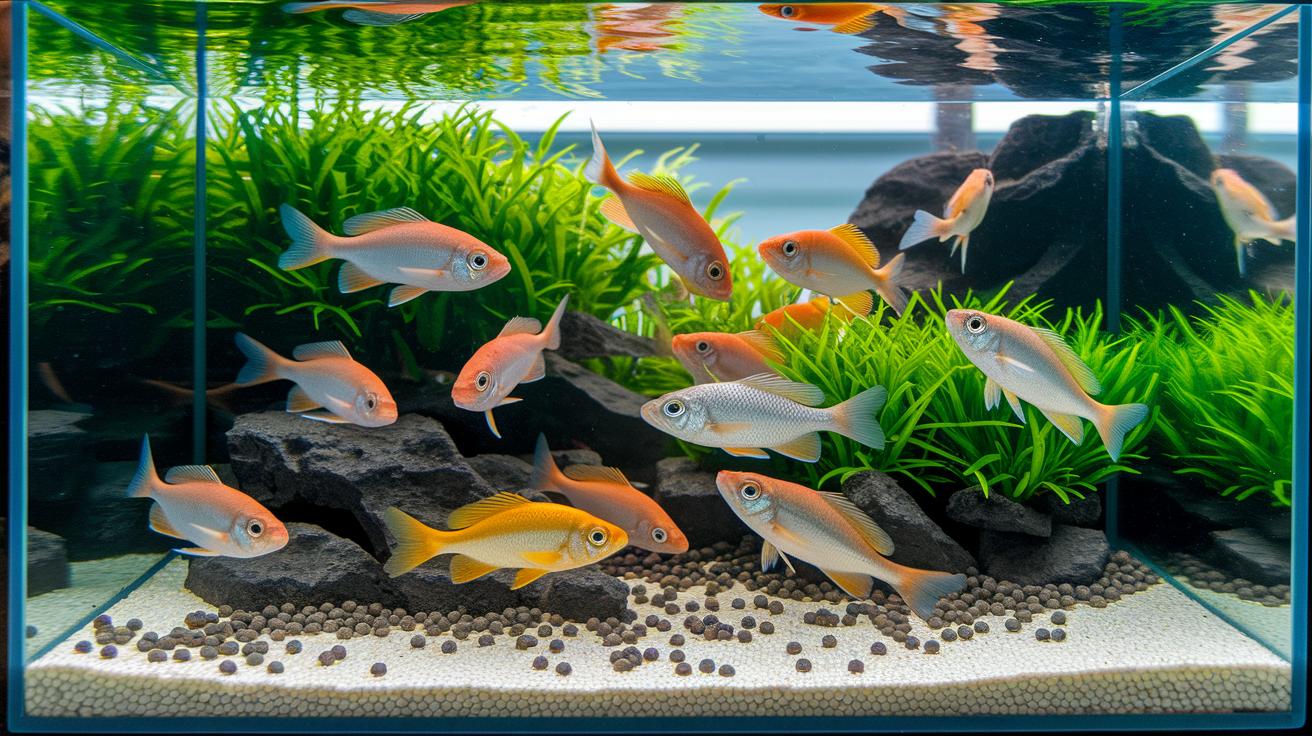
When you plan a meal for your fish, think of it like creating a mini underwater feast. Start with the basics, pellets and flakes that cover all the nutrients necessary for their daily swim. Then, mix in a few special treats like frozen cubes or dried bits to keep even the pickiest fish excited. I remember one friend saying, "Switching up feeds kept my angelfish active and playful." It shows that a little variety can make a big splash in their overall health.
When choosing live or frozen foods, keeping your fish safe is as important as clear water in your tank. Live feeder fish might seem natural, but they can sometimes bring unwanted germs or extra enzymes that aren’t good over time. So, it’s wise to offer live options just once in a while and even give them a quick quarantine before they join your fish community. Frozen foods, on the other hand, deliver fresh nutrients, but be sure to thaw them properly right before feeding. A neat trick is to try a small bit first to make sure it fits in perfectly with your tank’s needs.
To make feeding a weekly adventure, try setting up a rotation that balances the everyday meals with occasional surprises. Most days, let pellets and flakes lead the way, and then add a splash of frozen treats two or three times a week. This simple rotation helps avoid any gaps in vitamins or minerals, keeping your fish bright, bubbly, and thriving.
Troubleshooting Aquarium Fish Diet and Feeding Problems
Keep an eye on how your fish eat and adjust their portions when needed. For instance, if you see one fish grabbing most of the food while another hangs around near the water's surface, it might be time to change the feeding spots. Did you know that in a community tank, some fish can get up to 40% less food during group feedings? This can make them stressed. Try using scatter feeding or set up different spots for fish with different needs.
Watch the tank closely for any leftover food. When food lingers, it might be a clue that something is off. Maybe you’ll notice a fish nibbling around uneaten food or circling the area without actually eating. These behaviors can show that the type of food isn’t matching your fish’s taste.
For fish that are picky or not getting enough to eat, take a closer look. If a fish only nibbles one kind of food while ignoring the rest, you can experiment by changing the food’s texture or even adding a little movement to it. Think about it like this: imagine a fish that loves floating pellets; trying a slow-moving sinking wafer might encourage a more balanced meal.
Final Words
In the action, we explored the core elements needed to keep your tank thriving. We looked at how fish species and their feeding zones shape their diet, and stressed the importance of evaluating feed quality, balance, and feeding schedules. We also covered how mixed feed options, portion control, and a careful review of ingredients create a harmonious underwater space. These insights guide you on how to choose the best diet for aquarium fish while keeping your aquatic pet’s environment clean, balanced, and full of life. Happy fish keeping!
FAQ
Frequently Asked Questions
What does fish eat at home?
What fish eat at home depends on their species. They typically enjoy commercially prepared flakes, pellets, or occasional live and frozen treats designed to give them balanced nutrients.
What to feed small fish at home and what is the best diet for them?
The best diet for small fish includes micro flakes or tiny pellets. These foods supply balanced nutrients and work well when paired with occasional live or frozen treats.
What can I feed my fish if I run out of food?
When you run out of fish food, safe options include blanched vegetables, a bit of brine shrimp, or prepared substitutes that are formulated specifically for aquatic pets.
What is the best time to feed fish?
Feeding fish in the early morning or late afternoon fits their natural habits. This timing supports good digestion and aligns with their usual periods of active feeding.
What do fish like to eat for bait?
Fish like bait such as worms, small insects, or specially formulated attractants. Their pickings depend on their species and natural feeding patterns in the water.
Why might fish not be eating and staying at the top?
Fish that remain at the top and don’t eat might be stressed or suffering from poor water quality. Evaluating feeding practices and water conditions can help address the issue.
What do fish eat in the river?
River fish feed on natural items like insects, plant matter, and small invertebrates. Their diets are varied and adapt based on the natural foods available in their river habitat.
How many times should fish in an aquarium be fed?
Aquarium fish are generally fed one to two times per day. Monitoring their behavior lets you adjust frequency based on species, age, and overall activity in the tank.
Which is the best food for aquarium fish and is it better to use flakes or pellets?
The best food depends on the species. Flakes work well for surface feeders, while pellets suit bottom dwellers better. Choosing the right type supports natural feeding zones and overall health.
How to choose food for different fish species?
Choosing food for different species means understanding each fish’s feeding zone, size, and dietary needs such as protein, fiber, and fats. This approach supports their overall growth and health.