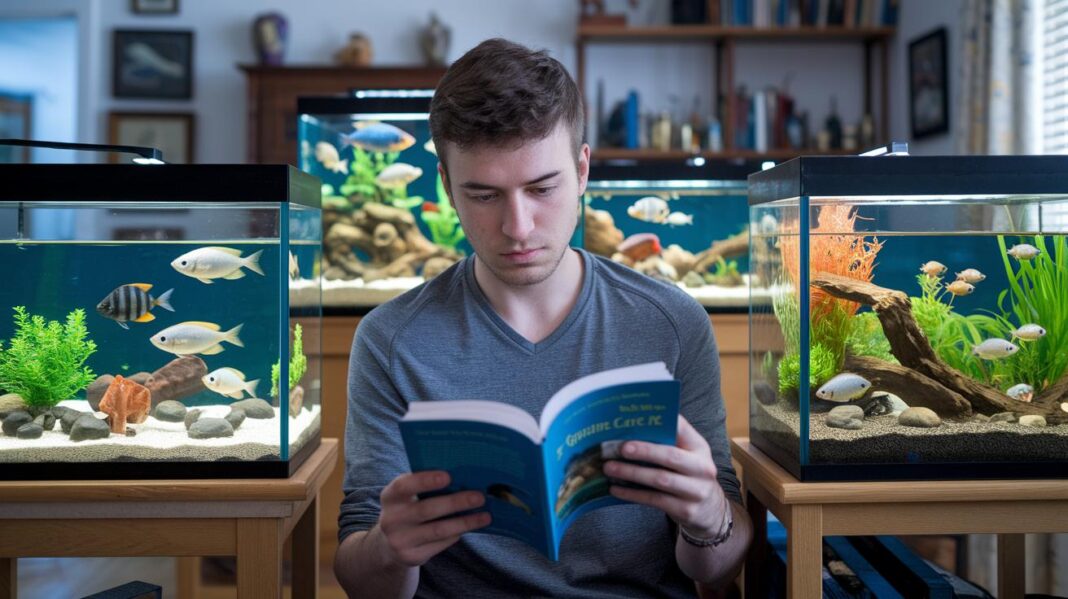

Ever wonder if your fish are getting the perfect meal? Think of your aquarium as a tiny ocean where each fish gets to enjoy its favorite treat.
Even if you’re just starting out, you can mix different foods for your lively carnivores and gentle herbivores with ease. In this post, we dive into easy tips on how to balance various meal types so that every fish can swim happily, just like a playful school of fish exploring a sunlit reef.
Nutrition Essentials for New Aquarium Owners
A healthy aquarium starts with a balanced and varied diet for your fish. Every type of fish has its own unique nutritional needs. Even if you’re new to fish care, you can create a feeding plan by understanding what each fish requires. For example, herbivorous fish like plecos, mollies, and some cichlids enjoy foods rich in fiber and plant nutrients. Many aquarium herbivores thrive on a mix of leafy greens and specially made pellets.
Carnivorous fish such as bettas and oscars need foods packed with proteins and fats from animal sources to fuel their active lives. Meanwhile, omnivorous fish like tetras, guppies, and barbs benefit from meals that blend both plant and animal ingredients. It’s a bit like putting together a balanced plate where proteins and greens work together to boost energy and support growth.
If you’re just starting out, try offering a mix of flake foods, pellets, and a few fresh or frozen treats. By making small tweaks to your feeding routine and watching how your fish react, you can gradually fine-tune their diet. This simple, playful approach helps keep your fish thriving and their natural behaviors intact.
Remember to adjust the feeding plan for each type of fish and review your routine often to ensure every fish gets exactly what it needs.
Assessing Aquarium Nutrition Needs for Your Fish
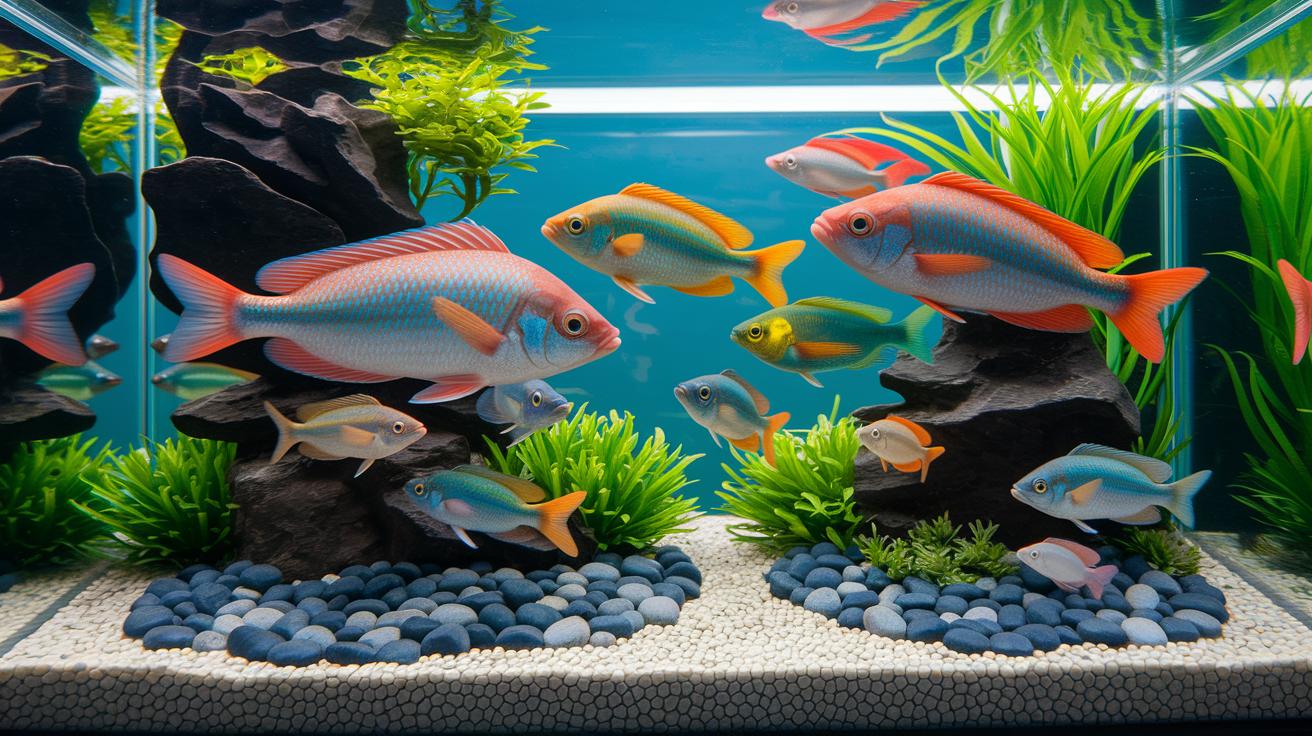
When you look at your fish tank, imagine it as a lively underwater community where each fish has its own favorite treat. Taking note of who’s swimming about is the first step to matching the right nutrients with the right fish.
For plant-lovers like plecos, mollies, and some cichlids, meals rich in fiber and natural plant compounds work wonders. A pleco, for instance, thrives on food that includes about 12 to 15% fiber. I remember a fellow fish keeper sharing that after adding fresh green leaves and algae to their pleco’s diet, the fish swam around with a fresh burst of energy.
On the flip side, carnivores such as bettas and oscars need a diet that's high in protein and healthy fats. A mix containing roughly 35 to 40% protein gives these fish the energy boost they need and makes their colors pop. It’s best to serve them small, protein-packed portions several times throughout the day to keep their fins flapping joyfully.
Omnivores like tetras, guppies, and barbs enjoy a little bit of everything. They do well with a main meal that offers both plant and animal nutrients, proteins, essential fatty acids, vitamins, minerals, and fiber, coupled with lighter, snack-like supplements to keep them in peak condition.
Here’s a simple feeding guide:
| Fish Type | Feeding Tips |
|---|---|
| Herbivores | Plant-based foods (12-15% fiber) served twice a day |
| Carnivores | High-protein meals (35-40% protein) in small portions 2-3 times daily |
| Omnivores | Balanced meals with both plant and animal nutrients, plus occasional snacks |
Watch your fish as they swim and play; their behavior and vibrant colors will show you if it’s time to tweak the feeding schedule. Enjoy creating that perfect underwater rhythm in your aquarium!
Selecting Aquarium Food Types for Balanced Nutrition
Flakes and pellets are a fantastic way to start if you're new to keeping fish. They offer a mix of proteins, fats, vitamins, and minerals in one bite, much like a little underwater snack that keeps your fish happy. Flakes often come with ingredients to boost immune health, while pellets might include extra fiber that’s great for herbivores.
Freeze-dried treats like brine shrimp, tubifex worms, and bloodworms give your fish a protein-packed meal that lasts. They’re super easy to store and help your fish stay active and bright. Frozen options are also a win since they hold onto natural enzymes, keeping colors vibrant and energy high when given in just the right portions.
Live foods add a fun twist by sparking natural hunting instincts in your fish. They act just like the little creatures your fish might catch in the wild, adding an extra dash of excitement to mealtime. But remember, live foods can sometimes carry parasites, so it’s best to use them wisely and only get them from trusted sources.
Vegetables are another great choice. Simple things like blanched zucchini, spinach, and peas add a gentle, plant-based touch that’s perfect for herbivorous or even omnivorous fish. Even a slice of banana or a bit of melon can mix up the routine and make feeding time a little adventure.
| Food Type | Examples |
|---|---|
| Dry Foods | Flakes, Pellets |
| Freeze-Dried | Brine Shrimp, Tubifex Worms, Bloodworms |
| Frozen | Frozen Brine Shrimp, Frozen Bloodworms |
| Fresh Options | Blanched Vegetables, Fruit Pieces |
Experiment with these options to find the perfect menu for your fish. Mixing up their diet not only makes mealtime fun but also helps keep them healthy and full of life, just like the gentle ripple of water in your favorite aquarium.
Scheduling Aquarium Nutrition: Feeding Frequency and Amounts
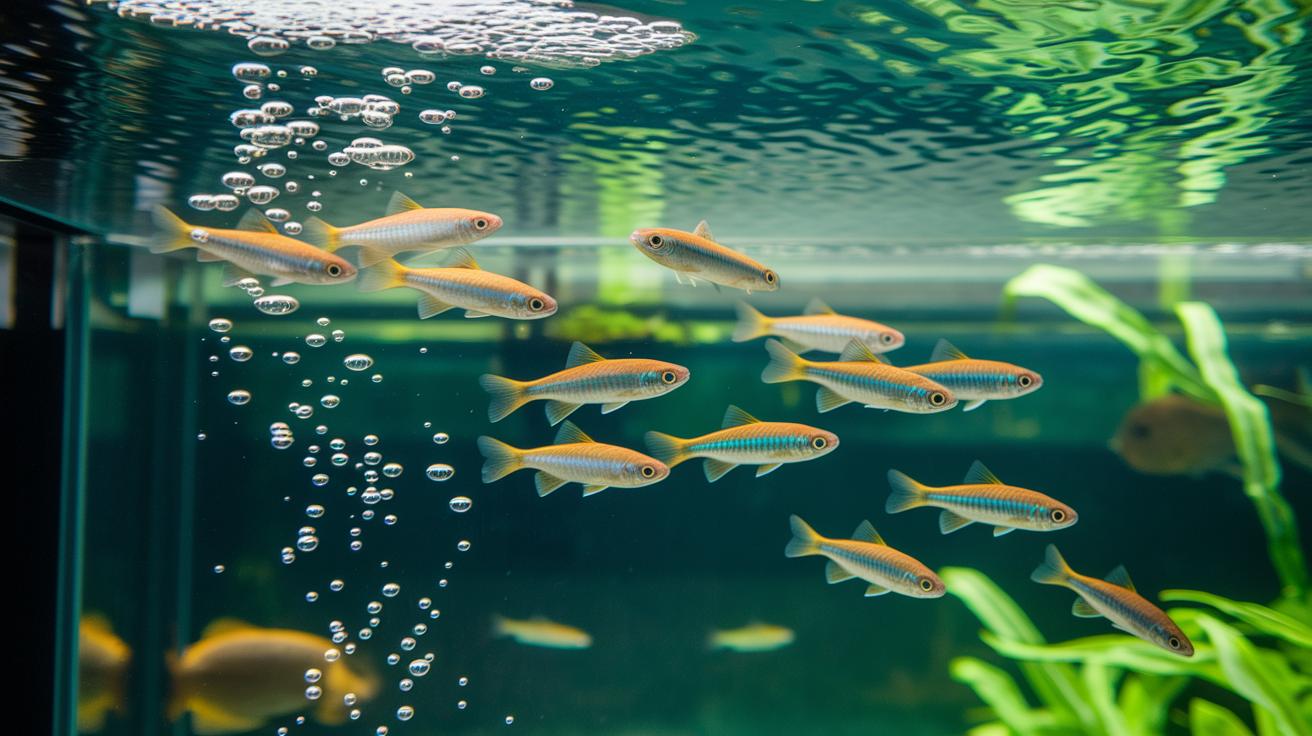
Small, lively fish need a bit of extra care. They do best with feedings 2 or 3 times a day to keep up their energy, while bigger or more relaxed fish thrive on a single meal each day. Pair these feeding schedules with the right food, think flakes, pellets, or special tablets for bottom dwellers, to ensure your fish get all the nutrients they need.
I remember when I set up my first tank and was surprised by how different each fish's appetite was. Watching bottom dwellers scurry along the tank floor taught me that using bottom-feeder tablets makes sure they don’t miss out.
For fish that feed in the middle of the water column, using target feeders that drop small amounts evenly helps cut down on competition and prevents overfeeding. This simple method keeps your water clean and your fish fit, as it matches feeding with their natural habits.
| Fish Type & Activity | Feeding Frequency | Recommended Food Type |
|---|---|---|
| Small, active species | 2–3 times daily | Flakes, pellets, small portions via target feeders |
| Larger or calm species | Once daily | Pellets or tablets suited for bottom dwellers |
Keep an eye on your fish as they eat and adjust the portions as needed. This way, you ensure every fish gets just the right amount to stay healthy and happy.
Customizing Aquarium Nutrition: Meal Prep and Recipes
Start by crafting a simple, flexible gel food. Take one measure of your gel powder and mix it with two to three measures of boiling water, depending on how thick you want your blend. Stir it well, then let the mix sit at room temperature or chill it in the fridge until it firms up. For example, you might say, "Mix one part powder with two parts boiling water, stir thoroughly, then let it set in the fridge until it firms nicely."
Once your gel is ready, think about your fish and how they like to eat. Bottom dwellers love a smooth, flat layer on the tank floor, while fish that feed in mid-water appreciate the gel cut into small cubes. For those who nibble near the surface, little floating bits work perfectly. You can easily slice your gel into different shapes to match your fish’s feeding habits.
For a menu as diverse as a coral reef, mix your homemade gel with other foods like flakes, pellets, and even live or frozen treats. This way, your fish get a balanced mix of proteins, fats, vitamins, and minerals. If you make extra gel, store it in an airtight container in the fridge for up to two weeks, or freeze it in small portions to keep it fresh for several months.
Have fun experimenting with these steps to create a feeding plan that fits the unique needs of your aquarium. Enjoy watching your fish thrive as you cater to their individual tastes!
Monitoring Aquarium Fish Health and Nutrition Adjustments
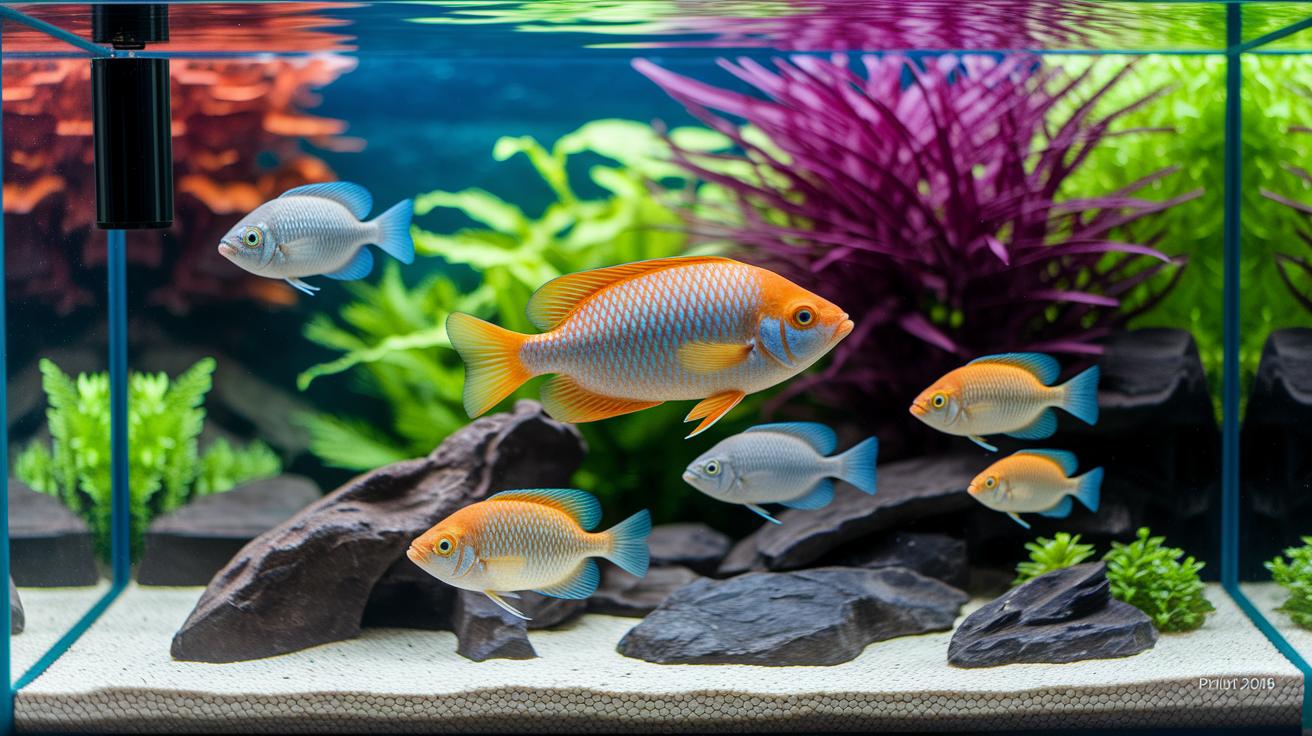
Keep an eye on your fish every day. If you notice changes in their color, how they swim, or their overall behavior, it could mean they need a tweak in their diet. For instance, if a usually lively fish starts swimming slowly or its colors seem dim, it might be missing some important nutrients. And if your fish looks swollen or moves sluggishly, it probably means it's getting too much food.
Try this simple daily checklist:
- If you see stunted growth or dull colors, your fish may be lacking essential nutrients.
- If its body looks bloated or it seems too tired, you might be overfeeding.
- And if the fish swims oddly or its fins don't look right, you may need to change its food type or feeding schedule.
I remember once seeing a fish that lost its bright colors and energy until I cut back on the portions and mixed up its food types. Little changes like these can really help your underwater friend thrive. For more ideas, check out this guide on pet wellness: https://ribbon.co?p=4543
Budget-Friendly Aquarium Nutrition Solutions for Beginners
Buying in bulk is a clever way to keep your fish fed while saving cash. When you choose larger packs of flakes or pellets, each meal costs less, almost like giving your wallet a cool, refreshing dip.
Freeze-dried and frozen foods help your supplies last longer and cut down on waste, so every meal really counts. And if you're feeling crafty, you might enjoy making your own gel feeds at home. Just mix the gel powder with boiling water, shape it to fit your fish's eating habits, and freeze small portions for later.
Adding affordable veggies, like spinach or zucchini, brings extra plant nutrients without emptying your treasure chest. Plus, buying bulk brine shrimp or tubifex can boost protein levels for your fish without a big expense. These smart feeding tips allow you to tailor a high-quality meal plan for your aquatic friends while keeping budget worries at bay.
Final Words
In the action of tailoring nutrition for beginner aquarium owners, we explored fish diet basics from balanced meals to custom recipes. The post reviewed how to pick the right food types and set a smart feeding schedule. We also shared tips on keeping water quality and fish health in check. With each nutrient choice and feeding routine, you can build a healthy underwater setting that grows with your aquascape. Keep experimenting, stay creative, and enjoy the rewarding moments of a thriving aquatic home.
FAQ
Why is a balanced, diverse diet essential for aquarium fish?
A balanced diet helps keep fish healthy and vibrant by providing the right mix of proteins, vitamins, and nutrients. This varied nutrition supports growth and natural activity in every fish type.
How do I choose the right food types for different fish species?
The choice of food—flakes, pellets, freeze-dried, or fresh vegetables—should match each species’ dietary needs. Herbivores enjoy plant-based foods while carnivores thrive on protein-rich feeds.
How should I schedule feeding for my aquarium fish?
Align feeding times with fish size and energy levels. Smaller, active fish need two to three feedings daily, while larger or less active species do just fine with one feeding per day using target feeders.
What steps can I take if my fish show signs of poor health?
Notice changes like faded color or sluggish behavior? These signs may suggest dietary issues. Adjust food portions or switch formats to help restore their natural energy and well-being.
How can I prepare homemade fish food recipes for varied feeding?
You can make gel feeds by mixing fish food powder with boiling water, letting it set, and then cutting it into shapes that suit different feeder types, adding a personal touch to their diet.
How can beginners maintain proper nutrition for fish without overspending?
Buy flakes and pellets in bulk, opt for cost-efficient frozen or freeze-dried options, and supplement with affordable vegetables. This strategy offers healthy fish nutrition while keeping expenses low.