

Have you ever noticed how some aquariums shimmer with life while others just seem a bit dull? It might be all about what you feed your fish.
Good, healthy meals keep your fish active, colorful, and filled with energy, just like fresh droplets on a bright morning. Today, we’re diving into our top five fish food picks that can turn your tank into a lively underwater garden.
Stick around as I share some friendly tips and honest insights to help you care for your water friends. After all, your fish deserve a meal that’s as thoughtful and hardworking as you are.
Top 5 Best Fish Food Options for Healthy Aquariums
When it comes to keeping your fish buddies lively and healthy, what you feed them is key. Don’t get hung up on fancy labels or high prices, the real magic lies in the quality ingredients. If you’re just starting out with fish feeding, here’s a friendly guide to some top feeds.
For goldfish enthusiasts, OmegaOne Sinking Goldfish Pellets work like a charm. They help keep the water clear while encouraging strong growth. And if you’re caring for koi, the Ultra Balance Maintenance Diet provides balanced daily nutrition and even comes with a Growth Diet option for that extra boost, like a perfectly planned meal for your koi.
Tropical fish love Hikari Micro Pellets, which pack a high protein punch (43% protein) to fuel their vibrant energy. Bettas, with their unique needs, do well on Hikari Betta Bio-Gold. A little molasses in the mix makes it special by adding extra nutrition. And don’t forget about a great fish flakes option, the all-rounder that gives your aquatic friends a well-balanced diet.
Just a little tip: While a pretty container might catch your eye, always peek at the ingredient list first to see the real nutritional benefits.
| Product | Key Benefit |
|---|---|
| OmegaOne Sinking Goldfish Pellets | Clear-water growth formula |
| Ultra Balance Maintenance Diet (Koi) | Daily nutrition with an optional Growth Diet |
| Hikari Micro Pellets | 43% protein for tropical fish |
| Hikari Betta Bio-Gold | Specialized betta nutrition with molasses note |
| High-quality Fish Flakes | Balanced diet for overall health |
Comparing Fish Food Types: Flakes, Pellets, Wafers & Gel

Fish food comes in all shapes and sizes, and knowing the differences can help you pick the perfect meal for your underwater friends. Flakes, for example, are thin and baked, so they might lose some water-soluble vitamins as time goes on. I once heard a fish owner share that switching to high-quality flakes gave his goldfish a noticeable boost in energy.
Pellets are formed into dense balls or sticks, which helps them hold onto all the important nutrients. This makes them a solid choice for helping your fish grow strong. Sinking wafers slowly release nutrition right where bottom-feeding fish can enjoy it, catering perfectly to their unique eating habits.
Gel food starts as a powder that turns into a soft, firm gelatin when mixed with hot water. Many fish enjoy this unique texture, especially if they need a gentler meal. There are also freeze-dried options like bloodworms and brine shrimp, a natural treat that most fish love, though remember to add water to bring them back to life before serving.
Frozen cubes, often made from bloodworms or algae, are another option. Just be cautious with some frozen foods that include beef heart, as this can be harmful to fish kidneys. And for a truly natural treat, live foods like daphnia or feeder guppies can offer a fresh change in your fish’s diet.
No matter which type you choose, always check the ingredient list first instead of relying only on eye-catching packaging. Picking science-backed nutrition will help keep your tank balanced and your fish thriving.
Essential Nutrient Breakdown in Best Fish Food
When you pick meals for your aquatic friends, take a careful look at those nutrient labels. Protein is like the strong building block for your fish, helping them grow and stay healthy. If your fish are herbivores or like to mix their diet, look for feeds with about 35-45% protein. On the other hand, if your fish prefer meat, feeds with 40-55% protein can really light up their tank. Many experienced aquarists have noticed that switching to quality fish meal makes a big difference, turning an ordinary tank into a vibrant underwater world.
Fat is another important ingredient in a good freshwater feed. You should aim for feeds that have 15-25% fat. These fats, especially the N-3 fatty acids that fish can’t make for themselves, help with energy, keep their bodies warm, and even help with hormone balance. It’s like giving them a little boost every day.
Carbohydrates also matter, as they give fish the energy they need without weighing their diet down. For omnivores, a mix of 25-40% carbs works well, while carnivorous fish do better with less than 20% to avoid stressing their livers. When you check the labels, think of it as putting together a balanced meal plan for your finned friends.
Vitamins like A, C, D, E, and K play a big role too. They help stop skeletal problems and keep the immune system strong. Remember, if you use fish food beyond its 6-month shelf life, vitamin C starts to break down, and that can affect the overall nutrition. And finally, keep an eye on minerals, fish usually take most of them from their water, with phosphorus around 0.3% being a good spot to aim for. Paying close attention to these details ensures your fish get the balanced diet they need to keep your aquarium thriving.
Top Best Fish Food for Goldfish & Koi Nutrition

OmegaOne Sinking Goldfish Pellets sink straight down to the bottom of your tank. This way, your goldfish find their food right where they naturally feed, and you don’t end up with floating bits that can make the water murky. The clear-water mix also cuts down on phosphorus buildup, keeping things cleaner. One fish keeper even mentioned how these pellets kept their goldfish active without clouding the water.
Ultra Balance Maintenance Diet is made just for daily koi care. Its sinking design lets koi feed at the bottom, which helps prevent waste from piling up and keeps your water clear. Plus, it comes with an optional Growth Diet for koi that are still growing.
By choosing these sinking feeds, you’re giving both goldfish and koi a meal that hits the spot while reducing waste and keeping your aquarium sparkling clear.
Premium Tropical Best Fish Food for Vibrant Colors
If you dream of seeing your tropical fish burst with lively colors, Hikari Micro Pellets might be just what you need. These pellets pack a hefty 43% protein punch, giving your warm-water fish the balanced nutrition they crave. With ingredients like beta-carotene and astaxanthin, they work like a rainbow booster for your fish. One fellow fish lover even said, "My tank lit up as soon as I switched to these pellets, colors popped like never before!" It’s amazing how quickly you can see the difference.
But don't be fooled by bright packaging. It’s always a smart idea to read the ingredient list yourself. Sometimes flashy labels hide poor-quality elements that can harm your fish’s diet. Take a moment to compare the nutrient values and choose feeds that clearly show the good stuff.
For little species like dwarf puffers, adding a bit of live or frozen brine shrimp can make mealtime extra special. This extra treat spices up their meals and supports overall health. When you mix top-notch tropical feeds with natural supplements now and then, you create a home where your aquatic friends truly shine in both color and life.
Best Fish Food Recipes: Nutrient-Rich Homemade Meals
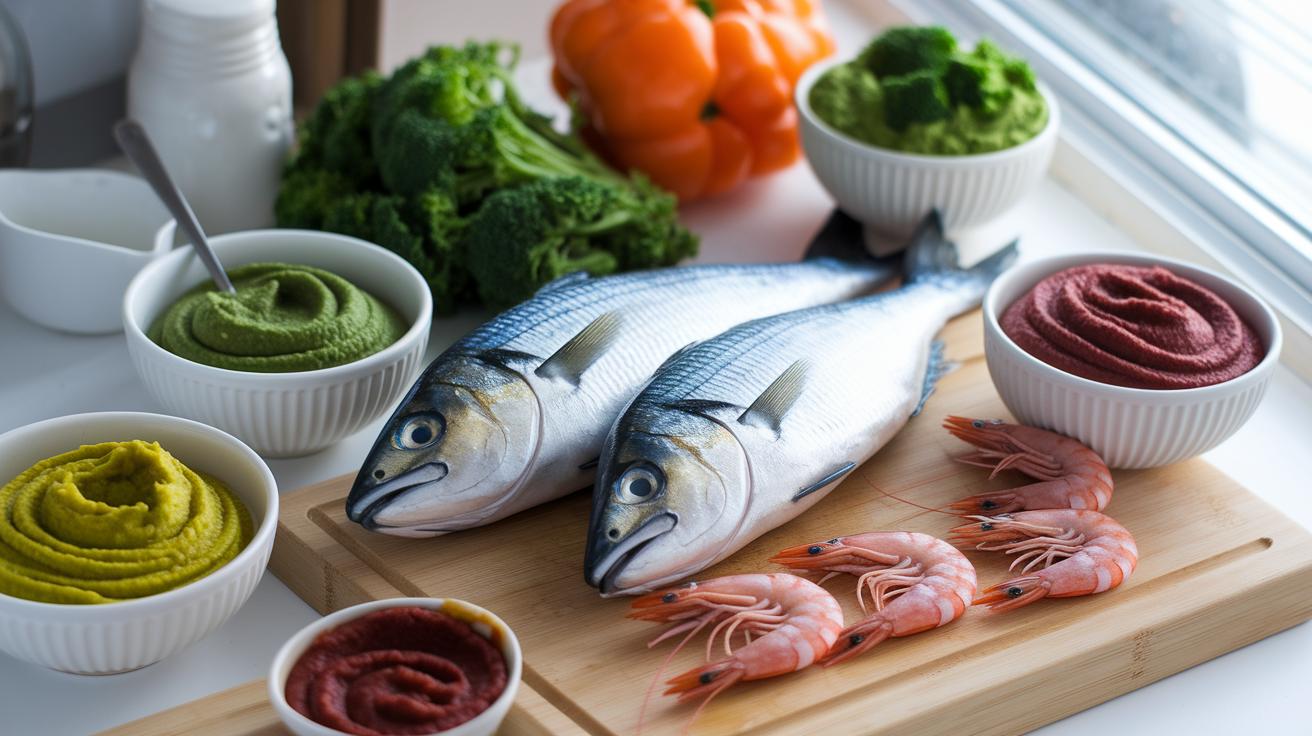
When you mix up your own underwater meals, you get to choose every ingredient with care. Start with whole fish or shrimp for that hearty protein punch, and then add in a smooth vegetable puree made from spinach or peas. This way, you create a blend that perfectly meets your fish's needs, balancing protein, fats, and carbs just like the best store-bought feeds.
For a simple gel treat, combine whole fish or shrimp with your veggie puree and a splash of fish broth. Mix these into a light, powdery binder that turns into a firm gel when you add boiling water. If you're into freeze-dried snacks, chop your chosen ingredients into small bits and process them in a freeze-dryer. This method locks in all the good nutrients and flavor while cutting down the moisture to help your treats last longer.
One more tip: steer clear of beef heart in your recipes because it can hurt your fish's kidneys. It’s best to make these meals in small batches and aim to use them within six months of preparing or opening.
- Whole fish and shrimp provide quality protein
- Vegetable purees add essential vitamins and fiber
- Gel and freeze-dry methods help keep the nutrients intact
Specialized Best Fish Food: Betta, Cichlids & Community Tanks
Choosing the right fish food is key to a healthy aquarium. For example, Hikari Betta Bio-Gold is created with bettas in mind. It has a touch of molasses that makes mealtime a little more fun and flavorful.
Cichlids, with their hearty appetites, do best on growth pellets. These pellets mix the right amount of protein and nutrients to boost their energy and make their colors pop like bright coral in the ocean.
Community mixes work great when you have many types of fish swimming together. They offer a balanced diet so each fish gets what it needs. And if you have picky eaters like dwarf puffers, adding live supplements like tiny feeder organisms can spice up their meals.
Bottom feeders such as plecos often need algae-eater wafers that settle nicely at the bottom of the tank. This way, feeding is simple and stress-free for them, keeping the entire tank in top shape.
Check out fun facts about aquarium fish – https://ribbon.co?p=4809
Brands & Reliability: Choosing the Best Fish Food Brand

When you’re choosing fish food, it’s not just about a pretty label. Look for clues like quality tests and clear dates on the package that show the food is safe and balanced. You might even see a note saying, "Tested in certified facilities for nutritional balance," which is a good sign.
Hikari and OmegaOne are great examples. They don’t just list quality ingredients – they also share details about where their food comes from. They work with suppliers who follow strict eco-friendly rules and run careful tests on every batch. Sometimes, you’ll find a label that reads, "Batch certified for purity and consistency by third-party labs."
So, compare brands based on these extra checks. Look out for certificates, lab reports, or quality control numbers. These details help you trust that the fish food truly meets high standards for every meal in your tank.
Best Fish Food Storage, Feeding Frequency & Guidelines
Feeding your fish a little bit two to three times a day is a smart move. Keeping the portions small helps prevent ammonia build-up, which can upset your fish’s delicate balance. I once heard from a fellow fish lover, "Just a pinch is enough, it keeps the water sparkling clean and every nibble matters."
Good storage is just as key as proper feeding. Always snap the lid tight on your fish food container and store it in a dry place away from direct sunlight. This prevents the food from losing its nutrients or going off. If you ever notice a funny smell or a change in texture, it’s probably time to swap out the food.
When choosing between pellets and flakes, remember that pellets tend to hold onto water-soluble vitamins better. That said, both types have their perks. Here are some friendly reminders to keep your fish dining experience top-notch:
- Feed your fish 2–3 times daily with just small doses
- Seal the food container right after each use
- Keep the food dry and use it within six months
- Consider preservative-free options for a healthier menu
A steady feeding routine paired with careful storage will help keep your underwater buddies happy and thriving.
Best Fish Food Buying Guide: How to Choose & Where to Purchase

When you’re picking out fish food, start by checking the label. Look for signs of good quality like high-grade fish meal and a balanced mix of vitamins. Did you know that many fish do better on smart nutrition than on flashy packaging? This simple fact shows that what’s inside is what truly matters.
It really helps to compare the protein and fat ratios on different products. Many plant-eating and flexible-eating fish need about 35 to 45 percent protein and 15 to 25 percent fat. And don’t forget to choose the right form, whether that’s flakes, pellets, or sinking wafers. This balanced mix helps your aquatic buddies grow healthy and display vibrant colors.
When deciding where to buy, think about whether to go online or visit your local pet store. Sometimes, bulk or VIP discounts can be tempting, but always double-check the ingredients. Attractive packaging and low prices can catch your eye, yet the true win is a science-backed blend that meets your fish’s needs.
Remember these friendly tips:
- Check labels to ensure excellent fish meal quality.
- Compare the protein and fat percentages.
- Pick the food form that suits your fish.
- Consider both online and local buying options.
- Look into bulk or VIP deals, but verify the ingredients.
- Always check each package’s expiration date.
Final Words
In the action, we walked through top fish food options and compared formats like sinking pellets, flakes, and wafers. We broke down essential nutrients and shared tips for species like goldfish, tropical fish, and bettas. We also touched on making DIY meals, proper storage, and smart buying practices. Enjoy selecting quality feeds and treating your aquatic pets to the best fish food. Let your tank flourish with color and harmony.
FAQ
Q: What is the best fish food for fast growth?
A: The best fish food for fast growth means a high-quality, protein-rich formula that helps your fish develop quickly while maintaining overall health.
Q: What is the best fish food for aquariums?
A: The best fish food for aquariums provides balanced nutrients and keeps fish vibrant. Look for formulas that suit different species in your tank for a thriving aquatic setup.
Q: What is the best fish food for freshwater?
A: The best fish food for freshwater species focuses on balanced nutrition with clear water benefits, like sinking pellets or high-quality flakes that promote vibrant colors and steady growth.
Q: What is the best fish food brand?
A: The best fish food brand offers clear ingredient lists and scientifically backed formulas. Brands such as OmegaOne and Hikari are trusted for providing quality nutrition that meets fish needs.
Q: What is the best fish food for community tanks?
A: The best fish food for community tanks is a blend that works well for different species. A balanced feed supports the varied dietary needs of bettas, goldfish, and bottom feeders alike.
Q: What is the best fish food for tropical fish?
A: The best fish food for tropical fish includes high protein and color-enhancing additives. This feed boosts vibrant hues and overall energy in warm-water species.
Q: What does “best fish food Reddit” refer to?
A: The term “best fish food Reddit” refers to popular recommendations shared by hobbyists, which emphasize balanced nutrients and proven results over flashy packaging.
Q: What is the best fish food for goldfish?
A: The best fish food for goldfish often consists of sinking pellets that encourage proper growth and maintain clear water. OmegaOne Sinking Goldfish Pellets, for example, provide a balanced diet.
Q: What is the best food for fish?
A: The best food for fish offers balanced proteins, fats, and vitamins to suit their species-specific needs. Checking the nutrient list ensures your fish get a complete diet.
Q: What are the top five best fish to eat?
A: Our focus is on fish food for aquariums. For details about edible fish, please refer to trusted sources on human nutrition and cooking guidelines instead.
Q: Should you feed a fish every day?
A: Feeding fish every day in small amounts keeps them active and healthy. Offering food 2-3 times daily prevents waste and supports steady energy levels.
Q: Are fish flakes better than pellets?
A: Fish flakes provide ease and quick nutrient release, while pellets retain vitamins longer. The choice depends on your fish species and specific dietary needs.