

Ever wonder why some sea creatures simply leave you in awe? Imagine a grand whale slowly cruising along, and a quick dolphin dancing through the clear, blue water. Today, we're chatting about these two amazing animals that show off nature's one-of-a-kind beauty while keeping some deep, watery secrets. Their graceful moves make you think of hidden treasures in every ripple, sparking curiosity and a stronger love for life under the sea.
Marine Diversity Among Ocean Animals
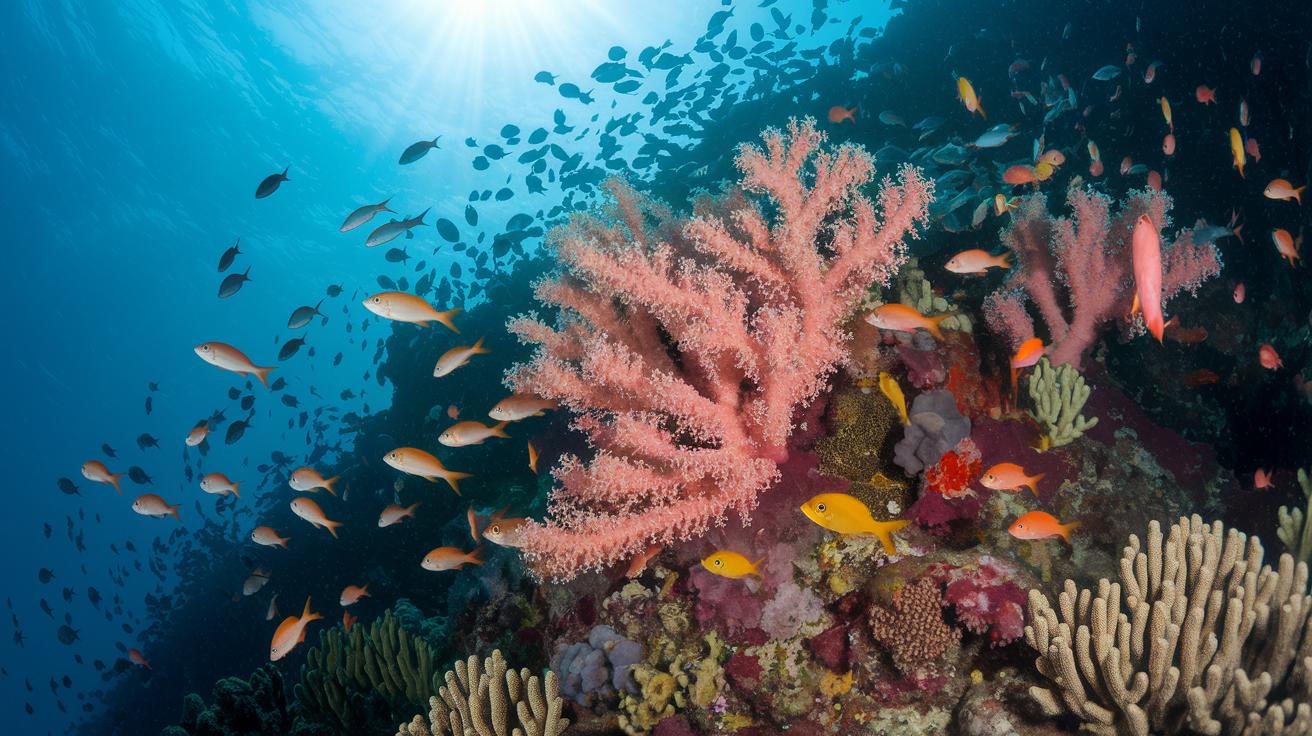
Our oceans are like a colorful underwater party with more than one million species joining in the fun. Covering over 70% of our planet, these big blue waters are home to nearly 90% of all wildlife. Scientists sort these creatures into groups, each with its own cool traits and roles in keeping the ocean vibrant. Imagine walking along a sandy beach and knowing that behind every wave lies a new surprise, from agile hunters to tiny drifters.
We group marine life into different categories so we can better understand where they live and how they behave. Whether you’re setting up a cozy aquarium at home or marveling at the sea from the shore, it’s amazing to see how each group plays its part. It’s a bit like knowing the position of every player on your favorite team.
Here are ten awesome groups that show the wild variety of ocean animals:
- Marine mammals (like whales and dolphins)
- Fish (from small reef dwellers to giant pelagic species)
- Reptiles (such as sea turtles and sea snakes)
- Crustaceans (including crabs, lobsters, and shrimp)
- Mollusks (snails, clams, and octopuses)
- Cnidaria (jellyfish, corals, and sea anemones)
- Echinoderms (starfish and sea cucumbers)
- Plankton (tiny creatures that drift with the current)
- Algae (many forms that help produce oxygen)
- Seagrasses (the only flowering plants that thrive underwater)
Each of these groups plays a key role in keeping the ocean balanced, making underwater life a dynamic and inspiring world full of wonder.
Ocean Animals Across Habitat Zones

When you step near the shore, the ocean reveals its lively tide pools and sandy edges. Small fish and little critters, like snails and sea stars, find cozy homes among the rocks as gentle waves wash over them. These creatures love the warm, sunlit water and adjust quickly when the tides shift. It’s like watching a busy fish neighborhood where every nook has its own story.
Out in the open water, past the familiar coast, the vast pelagic zone stretches out before you. Here, swift fish such as tuna and mackerel zoom by, and even the gentle giant whale shark makes an appearance. These animals move in big groups, always on the lookout for a snack or escaping a sneaky predator. Imagine the open sea as a bustling, ever-changing highway of life.
Now, if you dive deeper, you reach the benthic zone, the dark, mysterious floor of the ocean. Life here is tougher, with fewer resources and a chill that can freeze you. Yet, creatures like the Atlantic cod and trout have learned to thrive under high pressure and near-freezing conditions. They even light up in the dark with unique features, kind of like underwater fireflies that help them hunt or hide.
Ever stand on the beach and wonder about the secrets deep below? The ocean is full of surprises at every level, each zone with its own special charm and creatures that are just as unique as the ripples on the water.
Ocean Animals: Fish Diversity and Ecological Roles
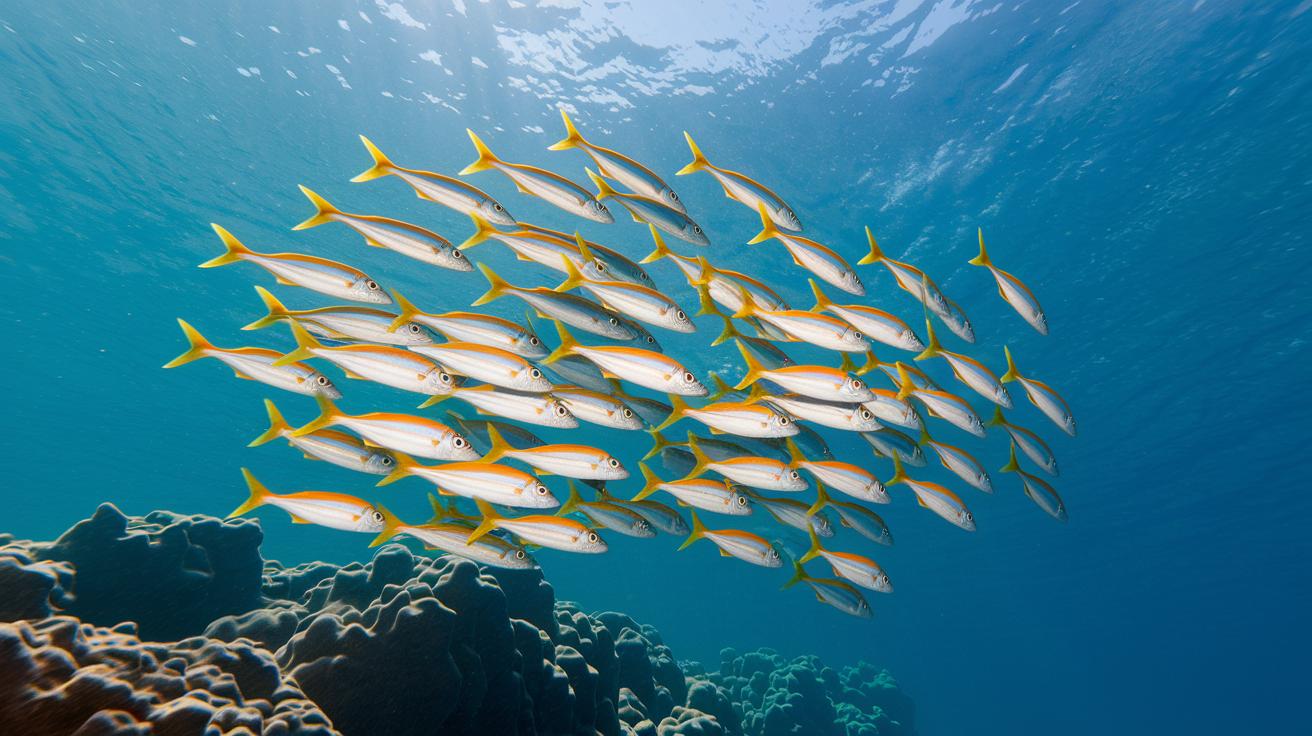
Fish are one of the most varied groups living in our oceans, with more than 20,000 species. They can be as tiny as minnows or grow to over 40 feet long. Living in places that range from lively coastal areas to the deep blue open waters, they show off different ways of feeding, grouping, and migrating. Each fish plays its part, balancing life as both hunter and hunted in a graceful underwater dance.
Picture a school of fish gliding across the water like a rippling wave. Some, like Atlantic cod, are built to handle the changing moods of the shore, while others, such as tuna, travel long distances in search of food or a mate. Their journeys remind me of the gentle push and pull you feel in a tide pool. Each species has its own clever features that help it succeed, whether it's the speedy body of a mackerel made for quick chases or the bright, welcoming colors of mahi mahi.
The wonderful variety of fish shows just how important they are to our ocean's health. Their daily interactions keep the underwater world lively and balanced, making every drop of water a home rich with energy. Let’s take a closer look at a few examples of these amazing species:
| Species | Typical Habitat | Key Trait |
|---|---|---|
| Atlantic Cod | Coastal waters | Adaptable feeder |
| Mackerel | Pelagic zones | Quick and agile |
| Trout | Freshwater streams | Strong migrator |
| Tuna | Open ocean | Lives in schools |
| Whale Shark | Warm tropical waters | Gentle giant nature |
| Mahi Mahi | Surface waters | Vivid and charming |
Ocean Animals: Sea Mammal Diversity and Adaptations
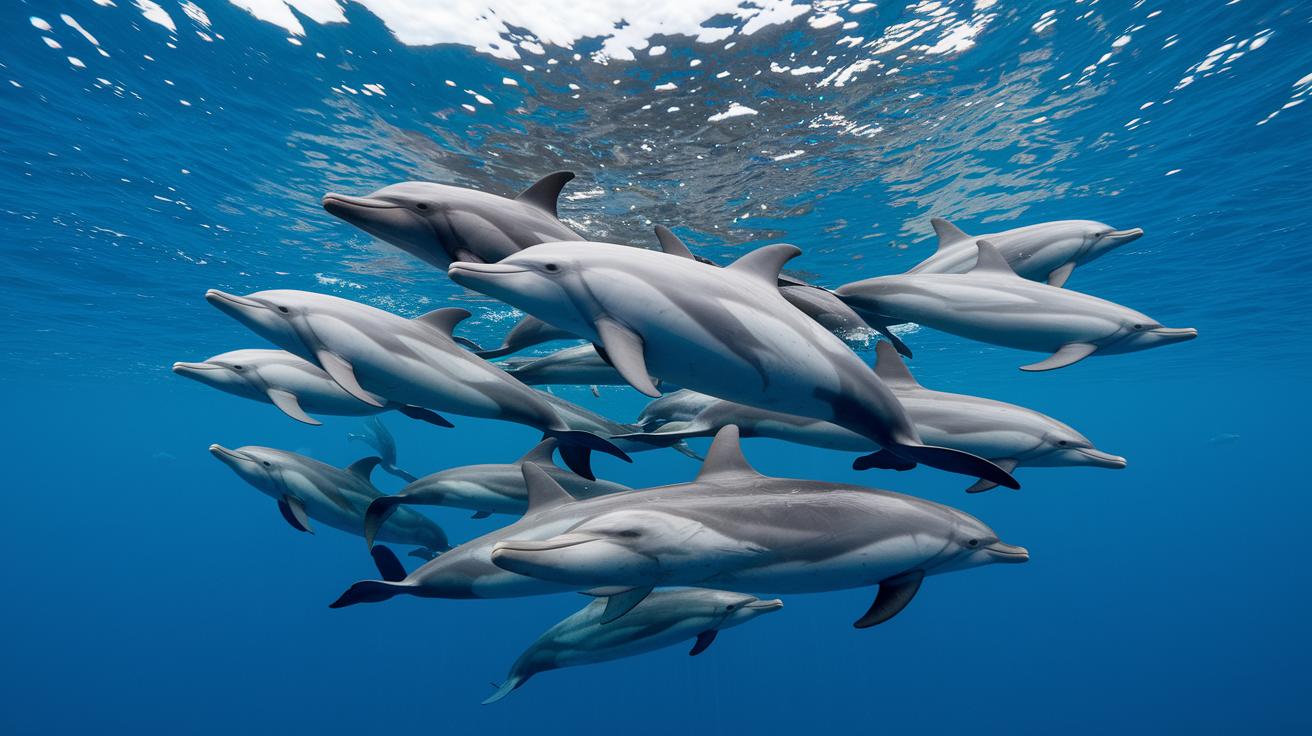
Marine mammals are truly amazing. They have neat tricks that help them live comfortably even in the chilliest, toughest waters. One of their coolest features is a thick coat of blubber, which works like a natural heater. Their lungs are specially designed so they can dive deep for long stretches, and many of them use sound – kind of like nature’s sonar – to explore and hunt.
Let’s break things down into four main groups. First up are cetaceans, which include whales and dolphins. These creatures have sleek bodies built for fast swimming and usually travel in tight-knit pods. Whale migrations are like nature’s own parade, with huge groups moving across the vast ocean to find food and breeding spots. Dolphins add a fun, playful spirit to these amazing journeys.
Next, we have pinnipeds – that means seals and sea lions. These animals love both the land and the sea, often spotted lounging on rocky shores. Their sharp senses help them spot tasty prey underwater, and their interactions with each other are as lively as a busy tide pool.
The third group is sirenians, which includes manatees and dugongs. Often called sea cows, these gentle giants spend their time in calm, shallow waters. They may move slower than others, but their sturdy bodies and thick blubber keep them cozy as they munch on aquatic plants.
Last but not least, there are the sea otters. These clever critters are famous for floating on their backs and even using tools to crack open shellfish. Each group shows its own special way of surviving and thriving, proving that life under the sea is both diverse and wonderfully adapted.
Ocean Animals: Invertebrate Variety from Coral to Seafloor

Beneath the gentle surface of the sea lies a hidden world bustling with invertebrates, each uniquely shaped for life under the waves. These creatures might not have a backbone, but every one, from a little shrimp to a massive sea cucumber, plays its part in keeping the ocean alive and well. Think of them as nature’s underwater art, each displaying clever design and vibrant character.
Crustaceans like shrimp, krill, crabs, and lobsters are the ocean’s own armored adventurers. With tough, protective shells and nimble antennae, they guard themselves and search for treats in the vast blue. Imagine a crab scuttling across the sandy floor, its glistening shell catching the light much like a polished stone sparkling under a sunlit ripple.
Then there are mollusks, a truly astounding group with over 100,000 types. Whether it’s the delicate spiral of a snail or the mysterious grace of an octopus, these creatures show that even without a hard skeleton, life can be unbelievably diverse. It’s a bit like finding a small clam tucked away in the sand and then seeing a cuttlefish flash brilliant colors in a lively coral garden.
You’ll also meet cnidarians, jellyfish, coral, and sea anemones, that use their stinging tentacles to capture food as they float along with the current. And don’t forget echinoderms such as starfish, brittle stars, sea cucumbers, and sea lilies, which move with an unusual, almost magical symmetry that makes you feel the texture of a rocky tide pool. All these creatures come together to create a vibrant underwater mosaic where every life is intertwined in the ocean’s rhythmic dance.
Ocean Animals: Marine Reptiles and Their Unique Traits
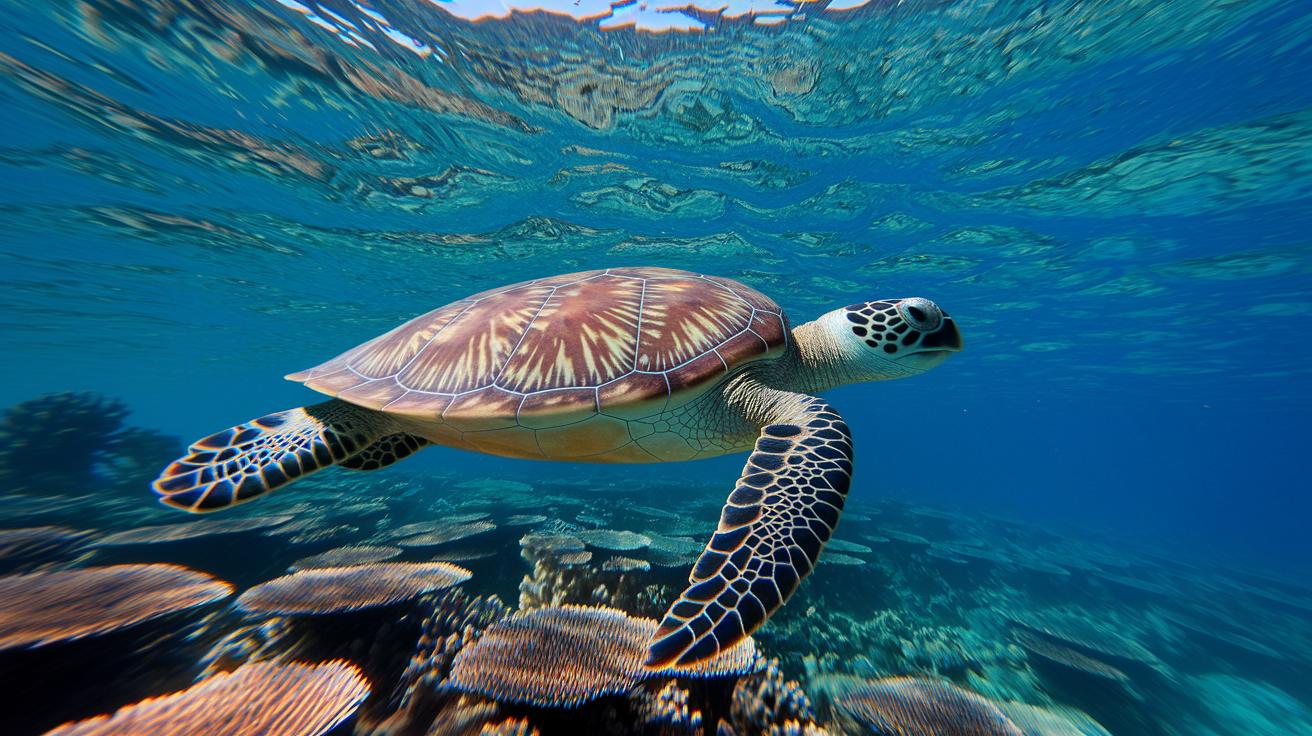
Marine reptiles bring an extra splash of magic to our blue planet. This fascinating group, made up of sea turtles, sea snakes, saltwater crocodiles, and marine iguanas, is perfectly designed for life near the water. Their bodies are built to keep cool and active in sunny, salty spots.
Take sea turtles, for example. They come in all sizes, from little ones that are about 2 feet long to giants over 6 feet. Their flipper-like limbs let them glide smoothly through the water, almost like a gentle dance with the waves. It’s a display of nature’s art that never fails to impress.
Then there are sea snakes, with sleek, streamlined bodies built for quick underwater moves. They’re real marvels, easily handling both the water and the humid air on land. Marine iguanas are unique too, they have special salt glands that help them get rid of extra salt after long, tiring days on rocky shores.
Meanwhile, saltwater crocodiles show off their tough, muscular builds. They rule their watery territories with a raw power and keen sense that remind us every trait has its special purpose in nature.
These cool adaptations show us how every little feature helps these creatures thrive in the vibrant ocean world. Have you ever noticed how nature fine-tunes every detail to create such amazing animals?
Ocean Animals: Plankton, Algae, and Seagrasses
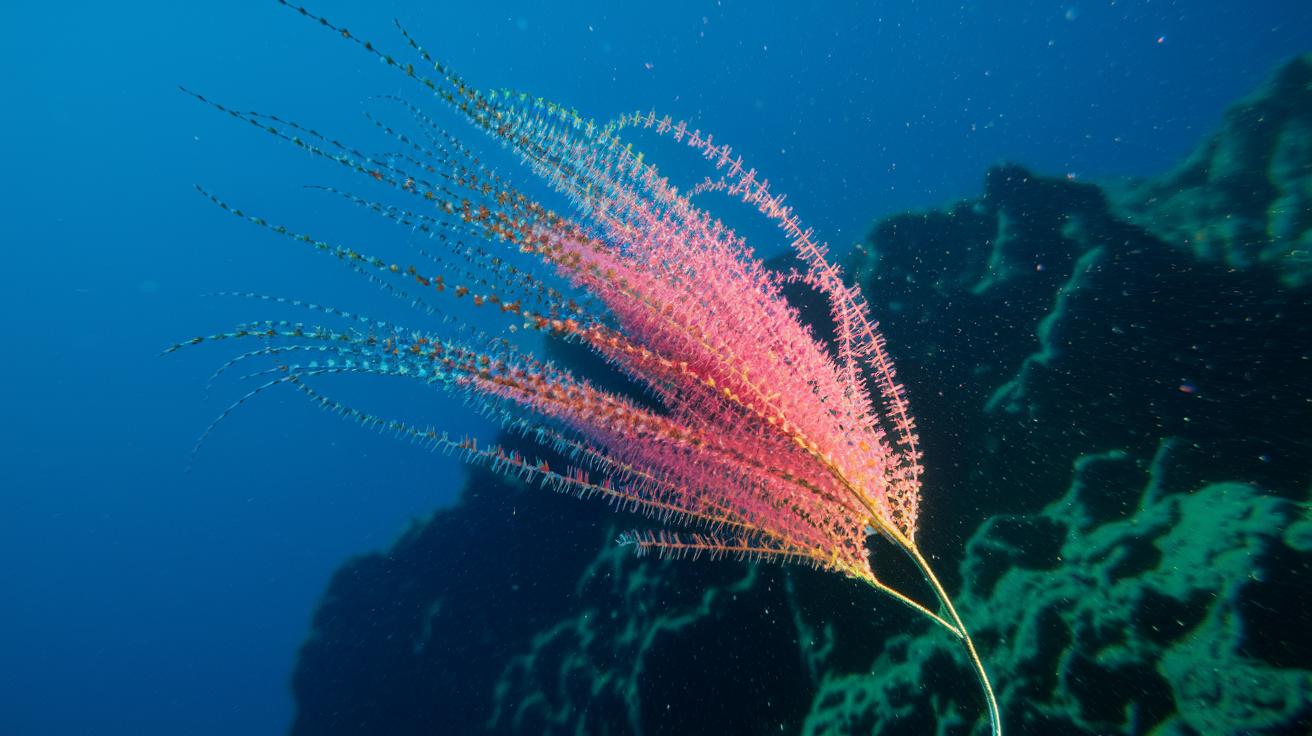
Plankton are the tiny travelers of our oceans. They form the foundation of the food chain, feeding countless fish and other big sea creatures. Imagine them drifting along with the current, like little specks of light sparkling in the deep blue. Ever notice how a single drop of water can be teeming with life?
Algae come in more than 27,000 varieties and are real workhorses when it comes to producing the oxygen we breathe. Seaweed, a common type of algae, changes sunlight into energy, much like the plants on land. Their gentle, swaying green shapes bring beauty beneath the waves and help keep our air fresh.
Seagrasses are the only flowering plants found in the sea, with around 72 different kinds. They have roots, stems, leaves, flowers, and even seeds, much like the plants you see on land. These underwater meadows help hold the seafloor together and offer a safe place for many marine friends. To explore more about their perfect home, check out this link: https://ribbon.co?p=4877.
Together, plankton, algae, and seagrasses work behind the scenes to keep our ocean vibrant and alive.
Final Words
In the action of exploring the underwater world, we touched on the rich variety of ocean animals, from the graceful fish keeping the food web in balance to the adaptable sea mammals and curious invertebrates. We glimpsed the artistry of marine reptiles and the tiny but mighty primary producers that support life below the waves. Each section brought fresh insights to light, leaving us eager to further care for and enjoy our aquatic companions. The wonders of ocean animals remind us that a vibrant, balanced aquatic home is well within reach.
FAQ
Frequently Asked Questions
What is included in an ocean animals list?
The ocean animals list includes a variety of species like fish, mammals, reptiles, and invertebrates. Readers can also find lists sorted alphabetically and with pictures for a clear view of marine life.
How do ocean animals pictures help in learning?
Ocean animals pictures make learning easier by showing clear images of different species. These visuals help both kids and adults recognize unique traits and habitats in the underwater world.
What are ocean animals toys designed for?
Ocean animals toys are designed to spark curiosity and learning about marine life. They allow kids to play while imagining the behaviors and features of real underwater creatures.
How can ocean animals drawing improve my skills?
Ocean animals drawing helps boost artistic skills by encouraging observation of real-life marine features. It also offers a creative way to study the shapes, colors, and details found underwater.
What makes ocean animals for kids interesting?
Ocean animals for kids are interesting because they mix fun with learning. Bright images and simple facts help young minds explore the diversity of marine life with ease.
Which animal lives in the ocean?
Many animals live in the ocean, from tiny plankton to large mammals like whales. Each creature, whether a fish, turtle, or invertebrate, plays its part in maintaining the underwater balance.
What are examples of sea and aquatic animals like the 40 or 12 types mentioned?
The sea and aquatic animals range from vibrant fish and curious crustaceans to impressive marine mammals and reptiles. Such examples highlight the vast diversity found in ocean habitats.
What are the top 10 biggest animals in the ocean?
The top 10 biggest ocean animals include giants like blue whales and whale sharks. These massive creatures show the immense scale and wonder of marine life in our oceans.