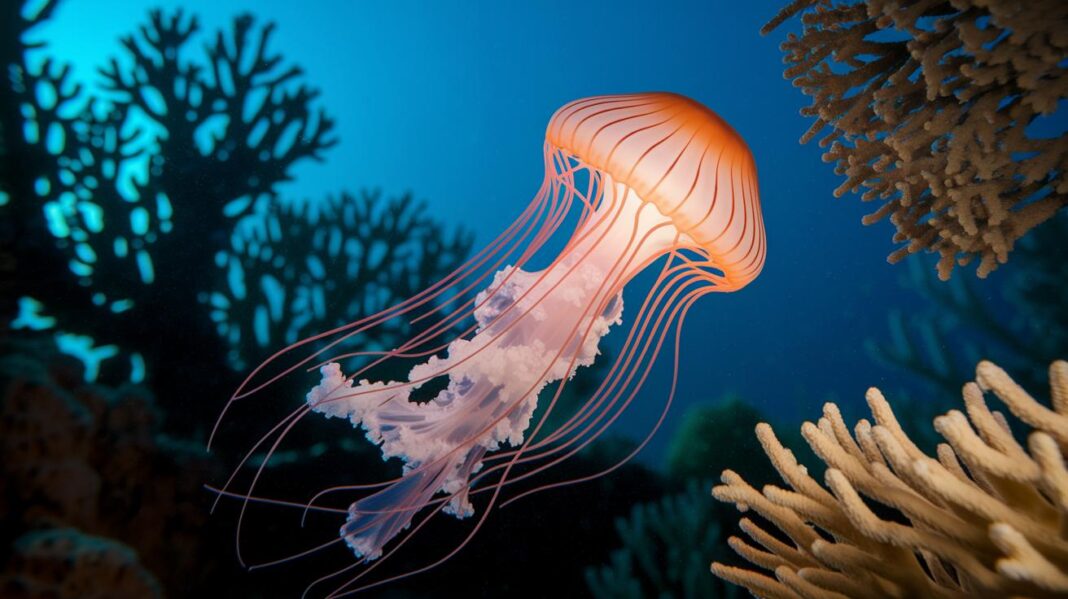

Ever wondered about a sea creature that seems like a living work of art? Deep sea jellies really turn our ideas of beauty upside down. They drift gently through dark, quiet waters like soft, ghostly dancers, their see-through bodies shimmering with every graceful movement.
These fascinating creatures don’t just add a magical touch to the deep blue, they play a key part in keeping the ocean’s food chain in balance. I find it amazing how nature designs them to be both beautiful and essential.
Let’s dive in and discover what makes deep sea jellies so special and the surprising roles they play in the hidden world beneath the waves.
Key Characteristics of Deep Sea Jelly Species
Deep-sea jellies are amazing creatures that hang out in the darkest, most mysterious parts of the ocean. They’re almost all water, about 90%, and that makes them look delicate and see-through, like wispy streams of water that dance gently with every ocean current. Imagine a creature that seems to be sculpted from pure, shimmering water as soft light plays over its body.
These jelly-like beings come in many sizes and have unique features. They have rows of combs that catch even the faintest light, almost like tiny underwater ribbons moving in a slow, graceful dance. Most of them reach about 20 centimeters in length, while some, like the helmet jellies, can get as long as 30 centimeters. Those shimmering comb rows do more than look pretty, they help scoop up tiny drifting bits of food, much like nature’s very own feeding ballet.
Deep-sea jellies play an important role in the ocean’s community. They act as gentle predators, catching little bits of plankton with their delicate bodies, and they also serve as a meal for bigger sea creatures. Because their soft, water-filled bodies let them move easily even under high pressure, they help keep the deep-sea food chain in balance. In their quiet way, these jellies support the overall health and mystery of the underwater world.
Deep Sea Jelly Anatomy and Bioluminescence
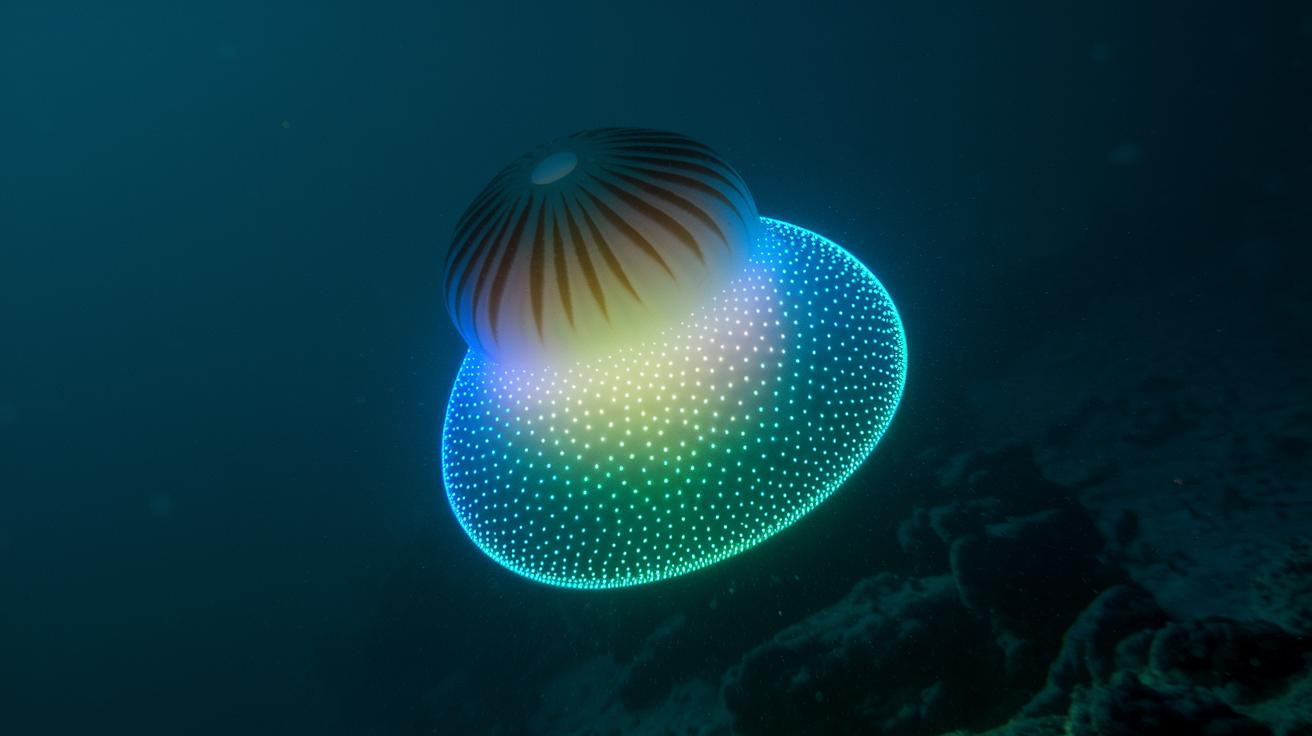
Deep-sea jellies, like the brilliant deep sea helmet jelly, have bodies made almost completely of water. Their soft, wobbly form is perfectly suited to survive under the heavy pressure of the deep ocean. Typically, these graceful creatures measure around 20 to 30 centimeters, using their gentle, buoyant bodies to float smoothly through complete darkness. Picture a creature as light as a whisper, drifting in a deep blue world where every drop of water is a life-saving cushion.
Their see-through body not only helps them fade into the dim light but also sets the stage for an amazing trick: bioluminescence. Tiny light-up organs, called photocytes, create soft flashes of green and blue through simple chemical reactions. These glowing signals do more than dazzle the eye; they help confuse hungry predators and let other jellies know they’re around. In the deep, dark ocean, every glowing flash is a small beacon of life, a unique way these creatures thrive under intense pressure.
| Characteristic | Measurement | Notes |
|---|---|---|
| Body length | 20–30 cm | Varies by species |
| Water content | 90% | Helps with buoyancy |
| Bioluminescence | Green-blue light organs | Used for defense and communication |
These gentle flashes, like underwater sparkles, are more than just beautiful lights. They serve as vital signals in an otherwise pitch-black world, helping the jellies outsmart predators and connect with one another. In a deep ocean where danger lurks in every shadow, each glow is a testament to the jellies' clever survival tactics.
Deep Sea Jelly Habitats and Distribution
Deep sea jellies have been spotted in some really interesting spots in the ocean. On a recent Ocean Explorer cruise near American Samoa, people got a close-up look at these graceful creatures. And during the NA153 expedition at Johnston Atoll in the Pacific Remote Islands Marine National Monument, researchers mapped out where they live in international waters. All these views help us learn more about the wide variety of ocean homes that medusa creatures make.
Many of these jellies call seamount slopes and the wide, flat abyssal plains their home. Scientists have found them thriving at depths between 1,000 meters and 4,000 meters. This shows just how versatile these soft, jelly-like animals are and reminds us that every hidden corner of the deep sea holds its own tale of survival.
Living in such extreme depths takes some amazing adaptations. Deep sea jellies have evolved to deal with both crushing pressure and near-freezing temperatures. Their flexible, water-filled bodies let them handle the heavy pressure of the deep ocean while still floating gracefully. It’s a great reminder that even in what seems like an uninhabitable place, life finds a way to flourish.
Deep Sea Jelly Behavior and Adaptations
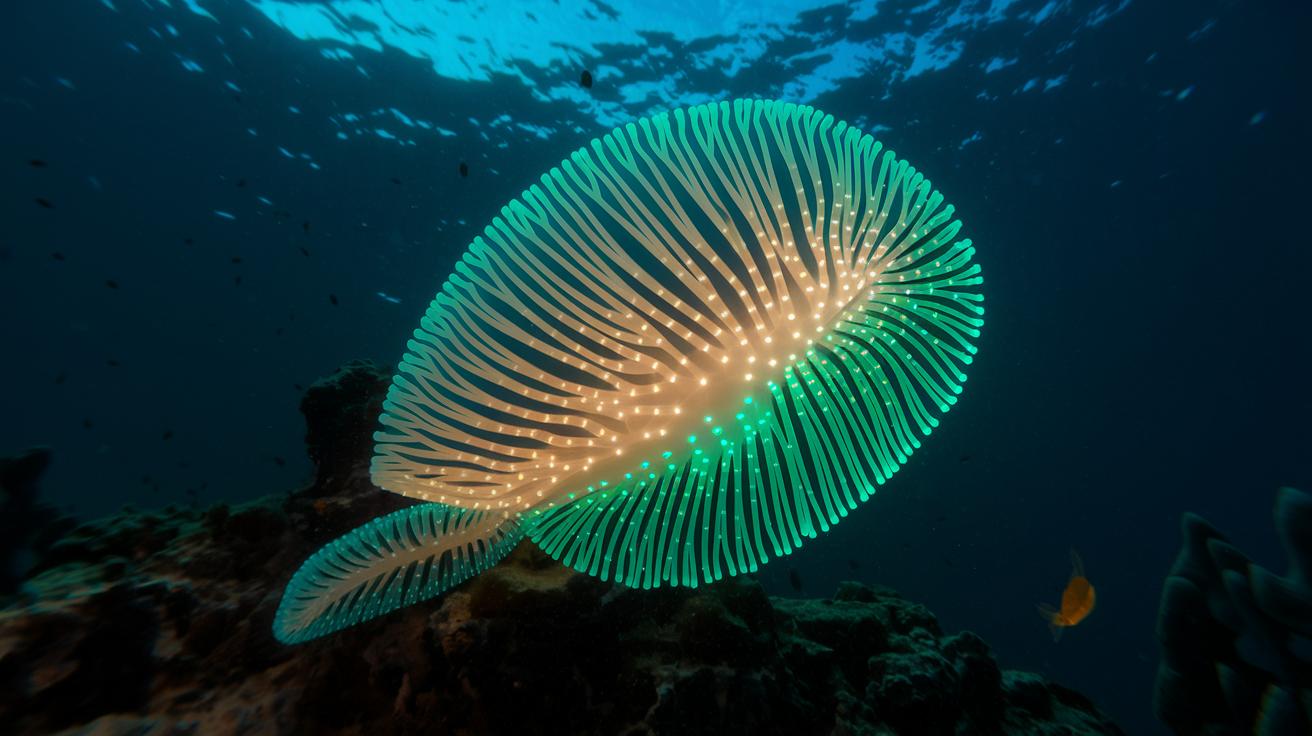
Scientists have discovered a really amazing trick among comb jellies. When one of these jellies gets hurt, it sometimes joins up its nerve system and its stomach with another, almost as if they're becoming one team to help heal the injury and toughen up their defenses. It’s like watching two fish friends come together for support.
When they’re not busy fusing, these jellies drift gracefully through the water using their comb rows. Picture them moving softly through the ocean, much like gentle dancers gliding over a smooth seabed while scooping up tiny drifting critters like zooplankton. Their clear, shimmering bodies and sweeping combs are a wonder to see, showing off nature’s clever design for surviving in a deep, dark world.
And there’s more. These jellies also flash beautiful bursts of green and blue light, a dazzling display that works like underwater fireworks to distract any lurking predators. This gentle light show gives them precious seconds to slip away and even helps them chat quietly with each other using bursts of glow. Each flash balances the need to catch a bite while keeping a safe distance from danger, making sure they always have a spot in the deep ocean’s complex dance of life.
Discoveries and Ongoing Research on Deep Sea Jelly
Early dives into the deep have brought back jelly specimens with the help of cool tools like underwater cameras, pressure sensors, and temperature probes. One expedition even snapped high-resolution pictures that showed every tiny detail of the jelly's body. This clear view helped us learn about the homes of these jellies and how they adapt to the crushing pressures of the deep.
On a recent cruise near American Samoa, researchers used cutting-edge cameras and onboard analysis to spot rare species, including an unusual kind of jelly called a rhopalonematid trachymedusa. One researcher said, "Seeing the creature glow under natural light was an exciting reminder of marine mysteries." It was a moment that highlighted how new sensor tech can capture the glowing dance of life in the deep better than before.
Looking ahead, upcoming expeditions aim to explore vast, uncharted stretches of the seafloor over longer periods. Teams will use a mix of remote sensing and underwater robots. Picture robotic arms and laser scanners working side by side to record every little detail of the underwater world. The focus is on grabbing real-time data with high clarity, and working together with experts around the globe to light the way for future discoveries in the mysterious world of deep sea jellies.
Conservation Efforts and Future Directions for Deep Sea Jelly
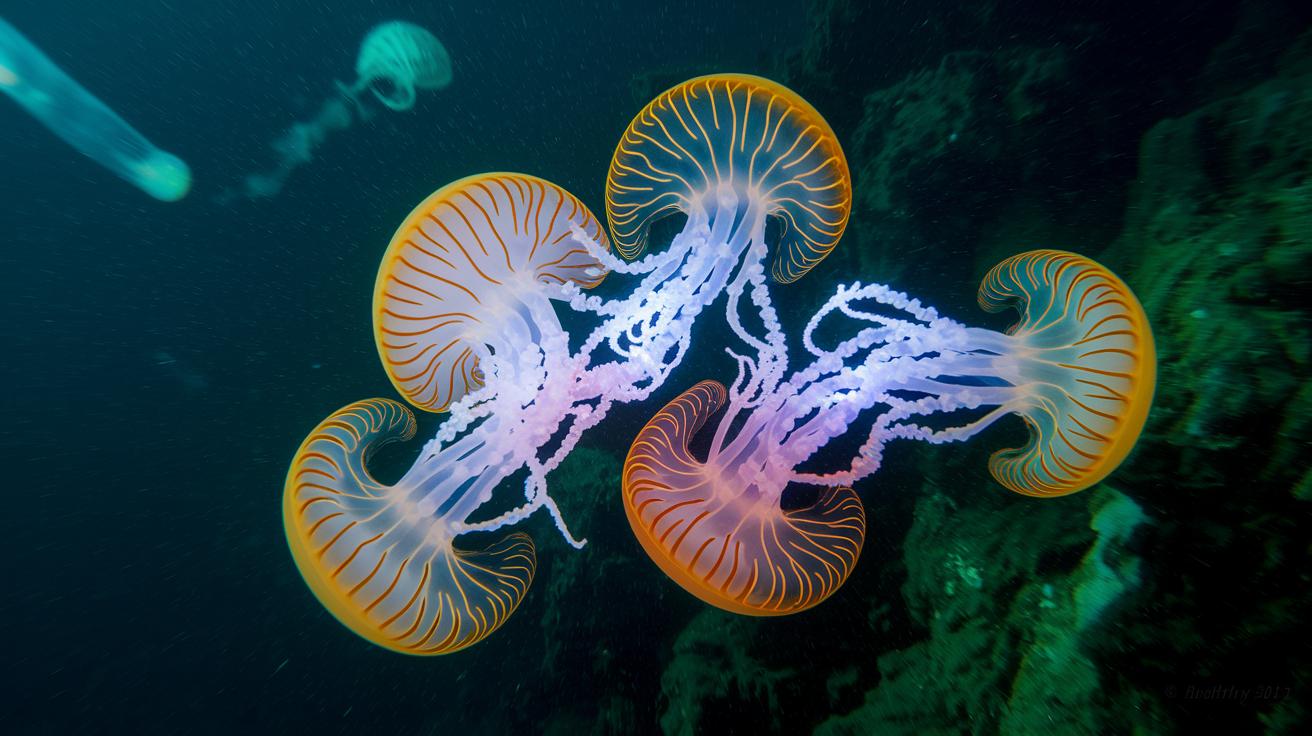
Deep sea jellies are in a tight spot. Deep sea mining, warming ocean temperatures, and pollution are all making life harder for these delicate creatures living in the vast underwater world around the Pacific Remote Islands Marine National Monument. Each of these challenges can upset the gentle balance of their watery home.
We’ve seen some good moves, like setting up protected zones around Johnston Atoll and mapping out their habitats. But just like keeping an aquarium clean, more care is needed to give these jellies a safe place to thrive. Here are a few ideas we can all get behind:
- Expand marine protected areas around vital seamounts
- Limit deep sea mining and other heavy industrial activities
- Boost funding for research and put more eyes underwater with keen monitoring
Working hand in hand with local communities, policymakers, and international experts is key to making a real splash. New tools, like underwater robots and smart sensor systems, are helping us collect live data that tells us exactly what our oceans need. This team effort not only builds a science-based plan to care for these deep sea ecosystems but also opens up conversations with the public about why every bubble counts.
Together, these steps aim to strengthen our deep sea habitats and keep these enchanting jellies dancing in the deep blue for years to come.
Final Words
In the action, our exploration of deep sea jelly species took us through their unique anatomy, habitats, and fascinating behaviors. We looked at sizes, comb rows, and glowing displays while also considering their role in underwater ecosystems.
We reviewed research efforts, historical data, and conservation steps that help protect these marine wonders. The insights shared here remind us that every deep sea jelly plays a vital part in keeping our aquatic world vibrant and full of life.
FAQ
What do deep-sea jelly sizes generally measure?
The deep-sea jelly size generally measures around 20 cm, with some helmet jellies reaching up to 30 cm in length. This reflects the natural variety seen among these ocean dwellers.
How do deep-sea jellyfish use their long tentacles?
Deep-sea jellyfish feature long tentacles that they use to capture small prey and navigate their dim surroundings, making them effective hunters in the vast ocean depths.
What exactly is a deep-sea crown jelly?
A deep-sea crown jelly is a distinct species known for its crown-like structure around the bell and transparent comb rows. Its unique form sets it apart in the underwater world.
Are deep-sea jellies dangerous or poisonous?
Deep-sea jellies are generally not dangerous to humans. Most species have mild stings that pose little risk, and they are more fascinating than threatening in their natural habitat.
How do deep-sea jellyfish produce bioluminescence?
Deep-sea jellyfish produce bioluminescence using light organs that emit green-blue flashes. This glow helps them communicate and may confuse predators in the dark, high-pressure ocean depths.
How rare are ocean jellies in the deep sea?
Ocean jellies are not exceedingly rare. Sightings in regions like American Samoa and Johnston Atoll show they are a regular part of the deep-sea ecosystem, thriving in specific habitats.
What other creatures share the deep-sea habitat with jellyfish?
Deep-sea jellies share their world with unique residents like deep-sea fish, giant isopods, seahorses, and even sharks, all adapted to the challenging conditions of the ocean’s depths.
How deep in the ocean can jellyfish be found?
Deep-sea jellyfish can be found at impressive depths ranging from 1,000 m to 4,000 m. These species thrive in high-pressure, low-light environments that many other creatures avoid.