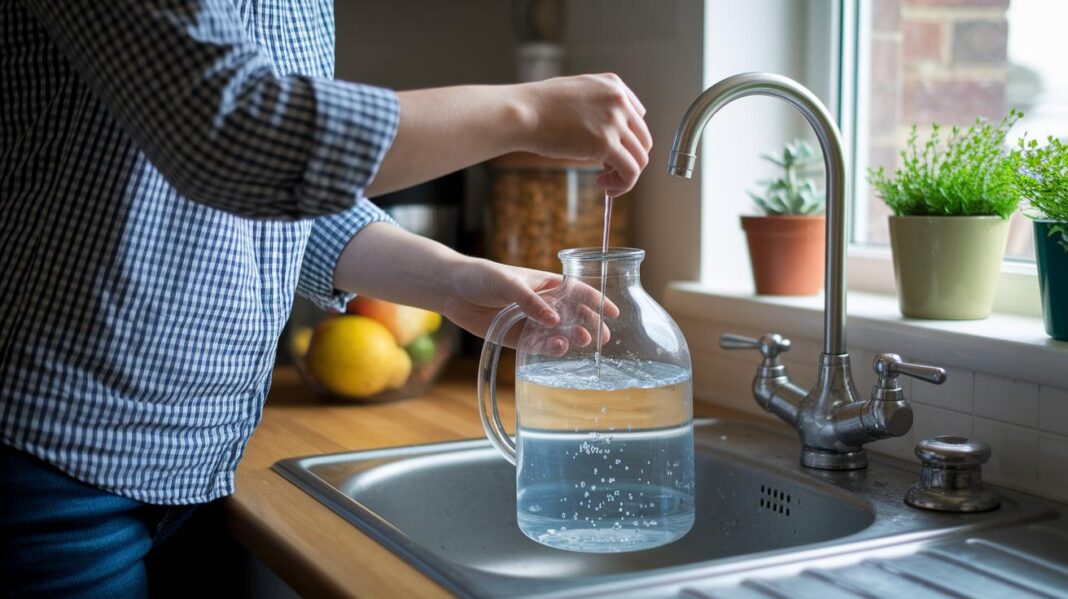

Have you ever noticed your fish seem to perk up when you freshen their home? Getting your tank ready for a water change is a lot like setting up for a gentle swim in a clear, sparkling pond. When you change the water, it sweeps away harmful chemicals and gathers up debris that could stress your fish.
Think of it as giving your underwater pals a tender, caring reset. In this guide, I'll walk you through easy steps to mix your water just right so your aquarium stays balanced and comforting. Follow along and soon you'll see your fish gliding happily in a cleaner, healthier world.
Essential Steps to Prepare Water for Your Aquarium Water Change
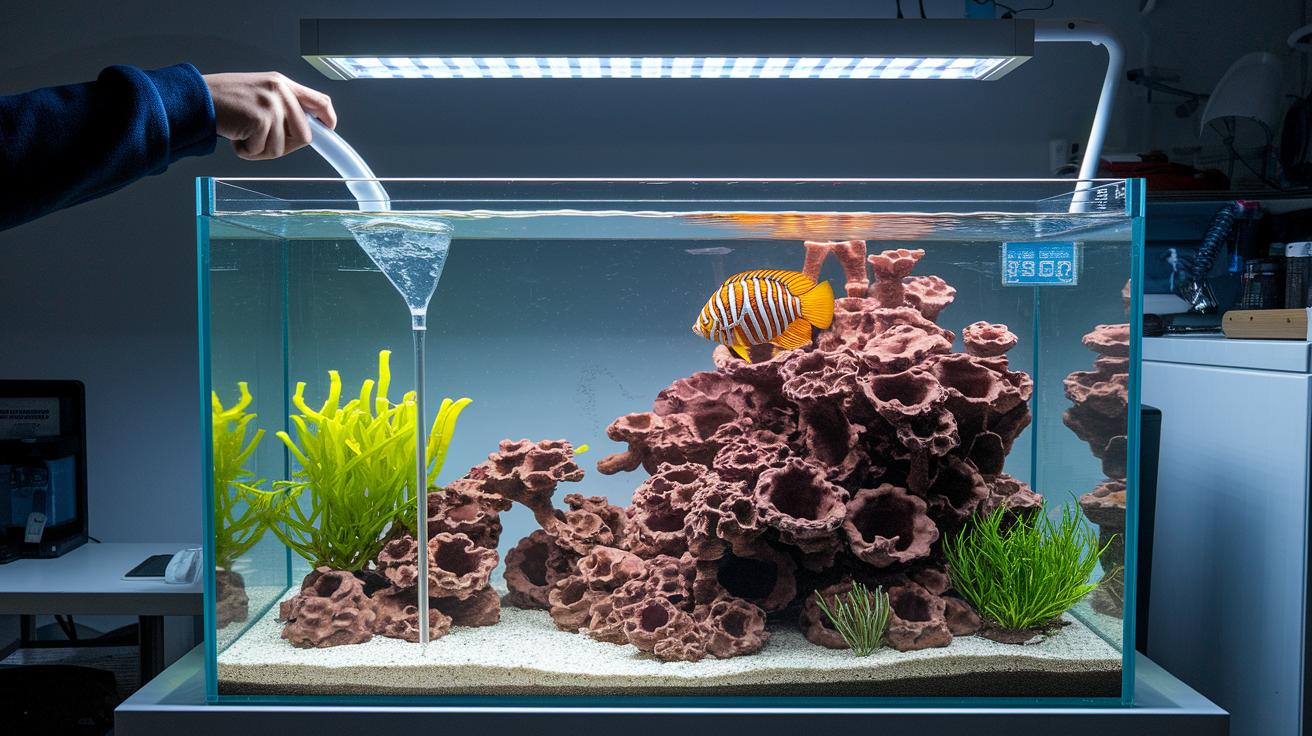
Getting your water ready for a change is a lot like preparing for a peaceful swim in a clear, quiet pond. Regular water changes of about 25–30% help wash away chemicals and debris that can build up over time. This makes the tank feel fresh and cozy, a little like a cool rain on a sunny day for your fish.
Before you jump in, take a moment to follow some important safety tips. First, make sure you switch off all electrical equipment, including your heater, to keep things safe. It’s also a smart idea to test your water for ammonia, nitrate, nitrite, and pH levels using a dip test kit, so you know exactly what you’re working with.
- Use a dip test kit to check the levels of ammonia, nitrate, nitrite, and pH.
- Turn off all electrical equipment, including the heater.
- Place the gravel cleaner in your tank to siphon out about 25–30% of the water along with any debris.
- While the water is still in the tank, clean or replace the filter media.
- Dispose of the old water safely.
- Refill your tank with fresh tap water up to the maximum fill line.
- Test your water every month to keep it steady and healthy.
Following these steps carefully is like choreographing the gentle flow of a stream, each part helps keep your fish stress-free and your aquarium balanced. Enjoy the process, and soon your aquatic friends will appreciate their sparkling new home!
Comprehensive Aquarium Water Conditioning
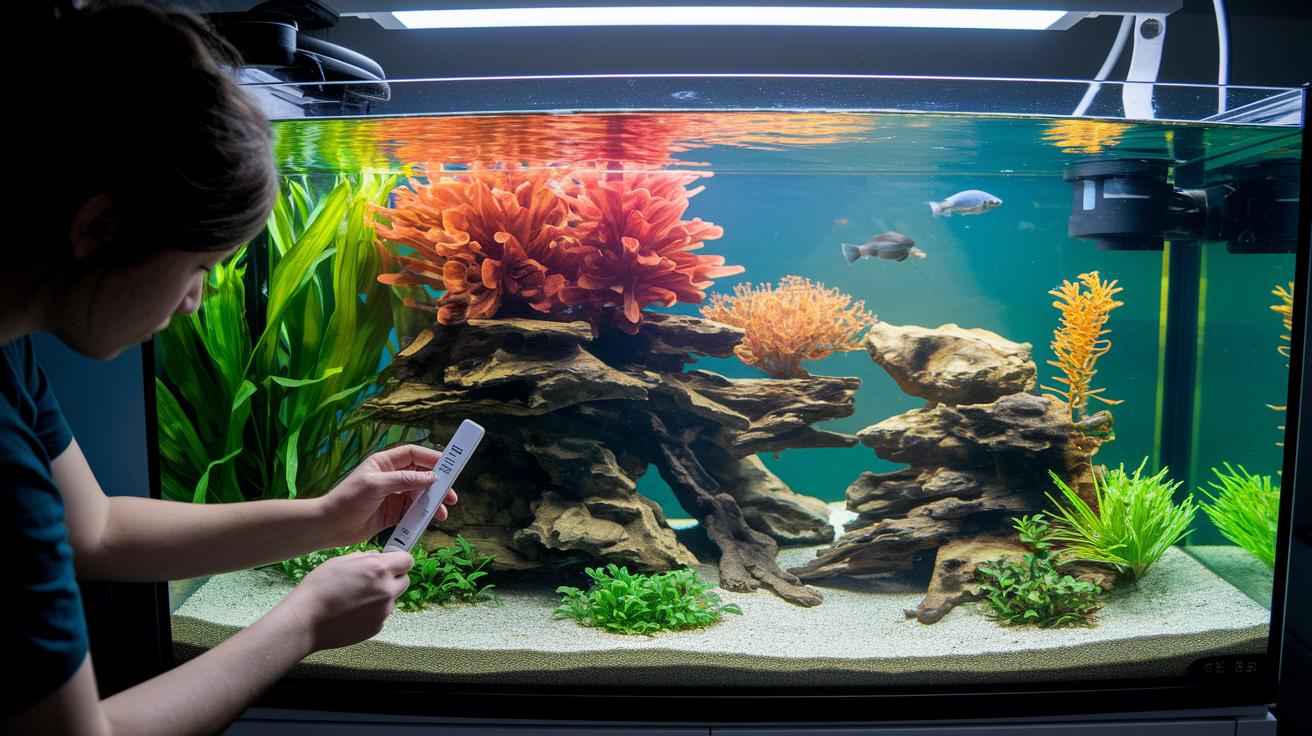
A well-conditioned water is the heart of every happy aquarium. When your water is balanced just right, it creates a cozy home for your fish and plants, easing stress and keeping sudden changes at bay. It’s not only about getting rid of harmful chemicals like chlorine and chloramine; it’s also about making sure the temperature, minerals, and helpful microbes are all in sync with your tank’s needs. Think of it like crafting your favorite meal, where every ingredient is added with care to create that perfect underwater haven.
Start by dipping in with a simple test kit to check key elements like pH, ammonia, nitrite, and nitrate. These little tests give you an initial snapshot of your water’s health. If you notice the pH isn’t quite right, a quick adjustment with a pH kit might be needed. Getting these numbers spot on is like having a reliable recipe, it guides you in setting up a water environment that supports your fish’s natural needs. Ever notice how watching these subtle changes can feel as calming as listening to a gentle stream?
Next up, tackle the chemicals in your tap water. Chlorine and chloramine, added to water supplies, can be tough on your aquatic buddies. A good chemical dechlorinator works quickly to neutralize these impurities. Follow the instructions on the bottle, for every 5 gallons, add the right amount to clear out those chemicals fast. While some might let the water sit for a day to off-gas, that method takes too long. Other tricks, like using activated carbon, can help too. Just remember, UV treatments or boiling the water won’t do the job reliably.
Warming your water correctly is just as important as balancing the chemicals and minerals. Your new water should be within 2°F of your tank’s temperature to avoid stressing out your fish. A trusty aquarium thermometer is perfect to check this. Also, test your water’s mineral balance using strips for general hardness (GH) and carbonate hardness (KH). Aim for around 6–12 dGH and 3–8 dKH. If your numbers are off, a few drops of a trace element formula or a calcium/magnesium additive can do wonders. It’s a bit like balancing flavors when you cook, a little tweak goes a long way in keeping your aquarium feeling like home.
Once chemicals are neutralized and the water feels just right, it’s time to add a touch of extra care with chemical conditioning and beneficial bacteria. After dosing your dechlorinator again as needed, sprinkle in a bacterial additive to restore the friendly microbes that help keep the tank clean. These good bacteria break down waste and help keep your water cycling naturally, especially after a big water change or filter clean. It’s a simple step that builds a healthy, self-sustaining ecosystem for your aquatic pals.
| Product Name | Primary Use | Dosage per 5 Gallons |
|---|---|---|
| AquaPure Dechlorinator | Neutralizes chlorine and chloramine | 1 ml |
| TempMatch Supplement | Adjusts mineral balance (GH/KH) | 2 ml |
| BioBoost Bacterial Additive | Restores microbial health | 1 ml |
Finally, let the treated water sit for at least 15 minutes before pouring it into your tank. This pause gives all the additives time to settle and any bubbles or foam a chance to disappear, nearly mirroring the perfect state of your aquarium. Every part of this process plays its role in protecting your aquatic friends from stress and helping them thrive in a balanced, calm environment.
Quality Control Tips for Prepared Aquarium Water
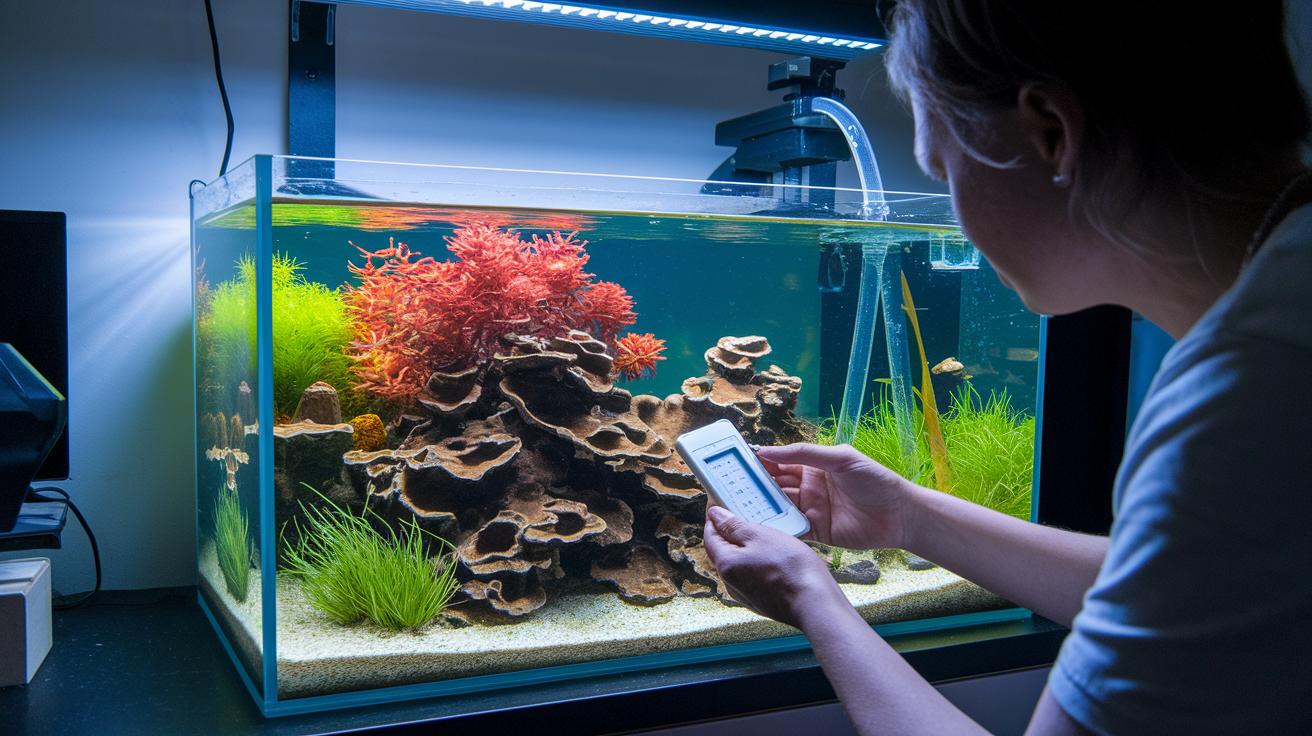
Even when your water looks crystal clear, it might still have tiny bits that can upset your tank. Keep an eye out for leftover food and fish waste because these can cause sudden spikes in chemicals.
- Misleading clarity: Water that seems clean might hide particles that boost nitrate and phosphate levels.
- Filter neglect: When you skip regular filter cleaning, it can lead to unexpected shifts in pH.
- Temperature errors: Water that's too cold or not treated properly can stress your fish.
It’s a good idea to test your water every month to make sure your tank stays healthy and calm.
Scheduling and Routine Checklists for Aquarium Water Changes
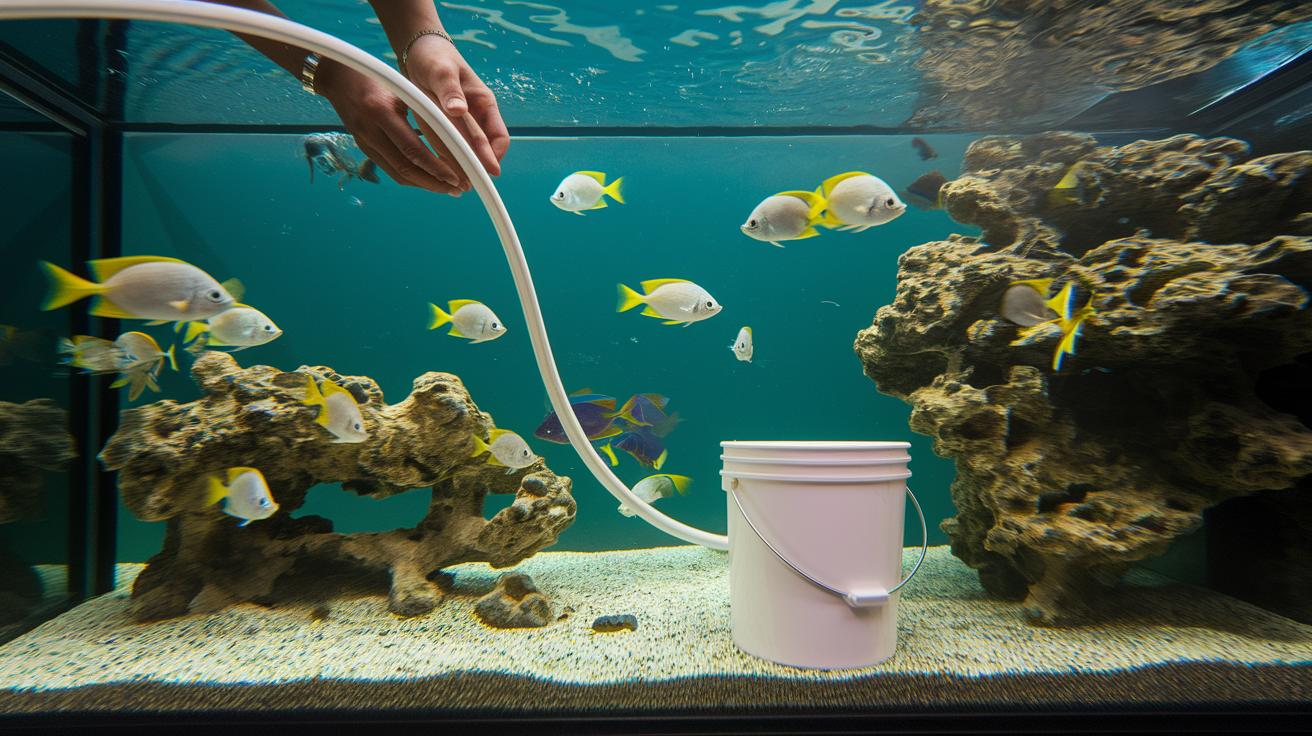
Setting up a regular water change schedule is like giving your fish a refreshing spa day. When you plan to replace around 25–30% of the water each month (or a bit more if your tank is extra busy), you're helping keep unwanted particles and waste from building up, much like clearing out leaves in a pond.
Following a routine not only protects your aquatic pals but also makes the whole process feel as smooth as a gentle current. It’s a simple way to keep your tank balanced and your fish happily swimming along.
- Check your water for ammonia, nitrate, nitrite, and pH levels, much like making sure the water has the right feel for a perfect swim.
- Prepare some conditioned water that matches your tank’s temperature and chemistry, ensuring it blends in nicely.
- Turn off any electrical equipment to keep everyone safe, just like turning off the lights when you leave a room.
- Gather and inspect your gear, your hose, gravel cleaner, and bucket, so everything is ready to go.
- Siphon out about 25–30% of the water and gently clear any debris from the gravel, like tidying up your favorite corner of the pond.
- Refill the aquarium with fresh tap water up to the proper fill line, then check again to make sure the balance is just right.
Keeping a logbook or setting digital reminders is a great way to track your water change dates and any shifts in the tank's condition. This simple habit lets you notice trends and keeps your aquarium thriving, just like watching the steady flow of a familiar river.
Final Words
In the action, we explored essential steps for refreshing your aquarium water. We talked about testing the water, turning off equipment, and carefully removing debris while getting everything ready for the change.
By following these handy tips and a clear checklist, you learn how to prepare water for aquarium water change. Taking proper care of your water conditions means a healthier, happier tank for your aquatic friends. Enjoy the calm and steady flow of a well-kept aquarium!
FAQ
How to prepare water for aquarium water change?
Preparing water for an aquarium change means testing for chemicals, turning off equipment, and slowly refilling with treated tap water up to the proper mark. This method keeps your fish happy and safe.
How to change water in a fish tank without harming fish?
Changing water safely involves a partial change of about 25–30 percent, which helps maintain the tank’s balance. Matching water temperature and chemical levels ensures fish aren’t stressed during maintenance.
How to do a partial water change in a fish tank?
Doing a partial water change means removing roughly a quarter to a third of your tank water and cleaning debris. This routine supports a healthier environment and helps control waste buildup.
How to change aquarium water easily?
Changing aquarium water easily starts with planning and gathering the right tools like a gravel cleaner and bucket. Following a clear, step-by-step process minimizes disturbance and keeps water quality steady.
How to make tap water safe for fish without conditioner?
Making tap water safe without a chemical conditioner means letting it sit for at least 24 hours to off-gas chlorine. This approach, however, might not remove chloramine, so it isn’t ideal in every case.
How to change water in a fish tank with a filter?
When changing water with a filter in place, first turn off the heater and filter. Then use a siphon to remove water and debris, clean the filter media if needed, and refill with water that matches the tank’s conditions.
How to change fish tank water without a siphon?
Changing fish tank water without a siphon can be done by using a manual baster or small container to remove water slowly. Be gentle to avoid disturbing your fish, then refill with properly prepared water.