

Have you ever wondered why some saltwater tanks shine with a lively glow while others look a bit dull? It all comes down to picking the right light for each coral, almost like setting the mood for a cool underwater show.
By mixing warm blue light that energizes your corals with easy-to-use options like LEDs and T5 lights (which are smart choices for boosting brightness), your tank can truly come alive. It’s like giving each coral the perfect spotlight at just the right time.
When you nail the lighting, your tank not only looks radiant but also becomes a happy, healthy mini-ocean. Next time you’re setting up your aquarium, remember: the right lights can turn a simple tank into a vibrant underwater world.
Fundamental Light Requirements for Coral Photosynthesis
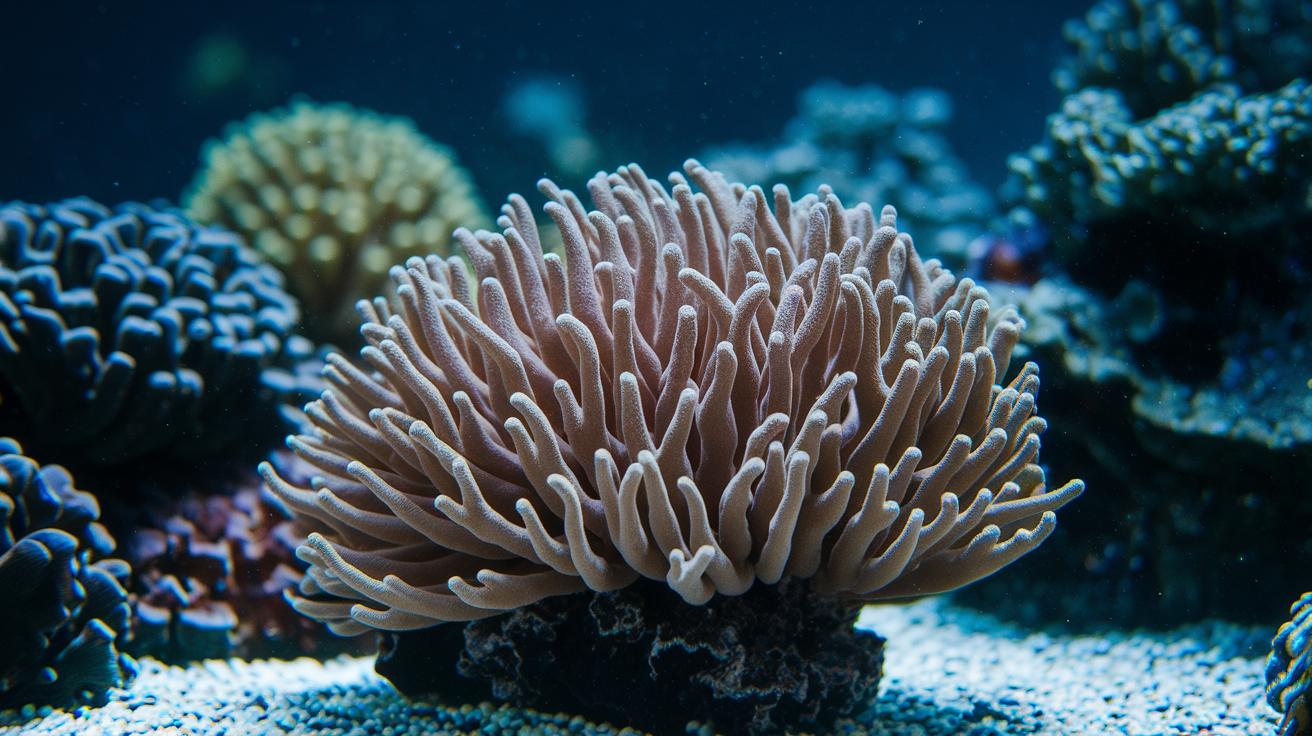
Corals, along with their tiny helpers called zooxanthellae, depend on blue light (roughly 420 to 460 nm) to make food, almost like a mini underwater power station. Picture a coral gently soaking up that cool blue glow, much like a solar panel, and turning it into the energy it needs to grow.
Hard corals love a brighter glow, usually needing about 250 to 350 PAR (that’s the amount of useful light for photosynthesis). On the other hand, soft corals do just fine with a gentler light of around 50 to 100 PAR. Getting the light just right is key, too little and the corals won’t have enough energy, too much and it might overwhelm their delicate tissues.
Here are a few simple tips:
- Check the PAR level that fits the type of coral you have.
- Use light fixtures that match both your tank’s size and the brightness needed.
- Look at the PAR charts from the manufacturer to be sure your light meets the right intensity.
- Adjust your light’s position so the beam reaches your corals well, keeping in mind that water can change how light spreads.
When light travels through water, it loses some of its strength because of absorption and scattering. That’s why it helps to angle your lights carefully so that the beam reaches the coral tissues without too much loss. By mixing your chosen PAR level with how light naturally fades underwater, you can create a cozy and vibrant home for your corals.
Comparing LED, T5, and Metal Halide Saltwater Aquarium Lighting

Saltwater aquarium lighting isn’t just about brightening your tank; it’s like setting the stage for a mesmerizing underwater performance. Today’s lighting options offer energy savings, simple upkeep, and even the chance to tweak colors so your marine world shines just the way you like it.
LED Lighting
LED lights are a favorite among aquarists because they save energy and run cool, keeping your tank safe from too much heat. These lights let you choose a full range of colors, perfect for matching your display’s needs and making your fish feel right at home. With a lifespan that can go over 50,000 hours, LED lighting is a dependable choice if you’re looking for something that lasts. Imagine a reef tank bathed in a soft glow of changing hues, creating a dynamic underwater mural that mimics real ocean scenes.
T5 Fluorescent Systems
If you appreciate an even spread of light, T5 fluorescent lights might be for you. They deliver a smooth, uniform glow that fills every corner of your tank without leaving any harsh spots. Although they come at a moderate cost, you should be ready for the regular task of changing the bulbs every 6 to 12 months. Picture a reef tank that looks like a serene seascape, with gentle light softly illuminating every nook and cranny.
Metal Halide Fixtures
For those with deep tanks and a big appetite for brightness, metal halide lights deliver an intense burst of light. They’re especially good for stimulating coral growth in tanks deeper than 24 inches. The catch is that they run a bit hot and need replacing sooner, usually around 10,000 hours. Think of these lights as a mini spotlight system that highlights every detail in your aquatic world, even if you need to keep a close eye on the temperature.
| Light Type | Pros | Cons |
|---|---|---|
| LED | Energy efficient, cool run, customizable colors, long life | Costs more upfront |
| T5 | Even light spread, affordable | Requires regular bulb changes |
| Metal Halide | Brilliant brightness for deep tanks | Generates heat, shorter lifespan |
Selecting the Right Saltwater Aquarium Light Fixture for Your Tank

Imagine your aquarium as a little underwater room where every inch matters. The size of your tank, its length, width, and especially its depth, tells us how much light you need to keep your fish and corals happy. For tanks deeper than 24 inches, you might want to use high-PAR LED modules. These lights work hard to fill every corner of your deep tank with a bright, even glow. If your tank is on the shallower side, a light with moderate-output diodes will spread warmth and light evenly, much like setting up the perfect cozy living room.
Matching the right light to your tank is a bit like choosing the perfect lamp for your reading nook. When you install your reef fixtures according to clear instructions, you make sure your underwater world gets just the right brightness. That extra burst of light in a deep tank helps every marine friend enjoy the beauty of their space.
Different corals also have their own preferences. SPS corals, for example, thrive near the surface where light is strongest, enjoying a PAR range between 250 and 350. In contrast, LPS and soft corals do best with a gentler glow of around 100 to 150 PAR, usually placed a bit deeper in the tank. It’s much like setting the stage for a show, each coral gets just the right amount of spotlight to shine. For more creative lighting ideas, take a peek at aquascaping light suggestions.
Advanced Saltwater Aquarium Lighting Setups: Programmable and App-Controlled Options

Smart LED setups like the Coralife Seascape Smart LED Light give you separate channels for bright white, a blue moon glow, and even full-spectrum RGB. These lights use digital controllers that mirror the soothing rhythm of ocean tides, creating natural sunrise to sunset cycles and even gentle moon phases. Imagine your tank lighting shifting from a soft morning brightness to a cool blue glow as nighttime arrives, all managed right from your smartphone.
Pairing these smart lights with an app such as Aqueon BlueIQ makes everything so simple. You can schedule light cycles, ease up or boost the brightness, and keep an eye on how your setup is running, all from your mobile device. Picture your tank lighting having a burst of bright white during the day, then slowly dimming into a calming blue as evening sets in. This flexible control lets you craft a perfect light show where every coral and fish can thrive in a truly natural, aquatic display.
DIY Saltwater Aquarium Lighting: Tutorials and Budget Reef Lamp Alternatives

Making your own LED light bar is a fun and budget-friendly way to brighten your tank. You can use bright blue and white diodes mounted on aluminum heat sinks to create a strong light that saves you up to 40% on the cost-per-watt. Pair a dimmable LED driver with a 12V power supply and you get a full-spectrum light setup for less than $80. Imagine following a simple, step-by-step tutorial where each small diode becomes part of your personal ocean spotlight.
If you'd rather go with ready-made options, there are plenty of affordable LED fixtures available. These budget reef lamp alternatives deliver the right amount of light for soft corals, making them perfect for anyone just starting out with reef tanks. You might find a kit that fills your tank with natural, soothing hues without a hefty price tag. It's a bit like choosing a well-prepared meal that's both tasty and affordable, your aquatic friends enjoy all the benefits of proper lighting without extra cost.
Saltwater Aquarium Lighting Maintenance and Troubleshooting Tips
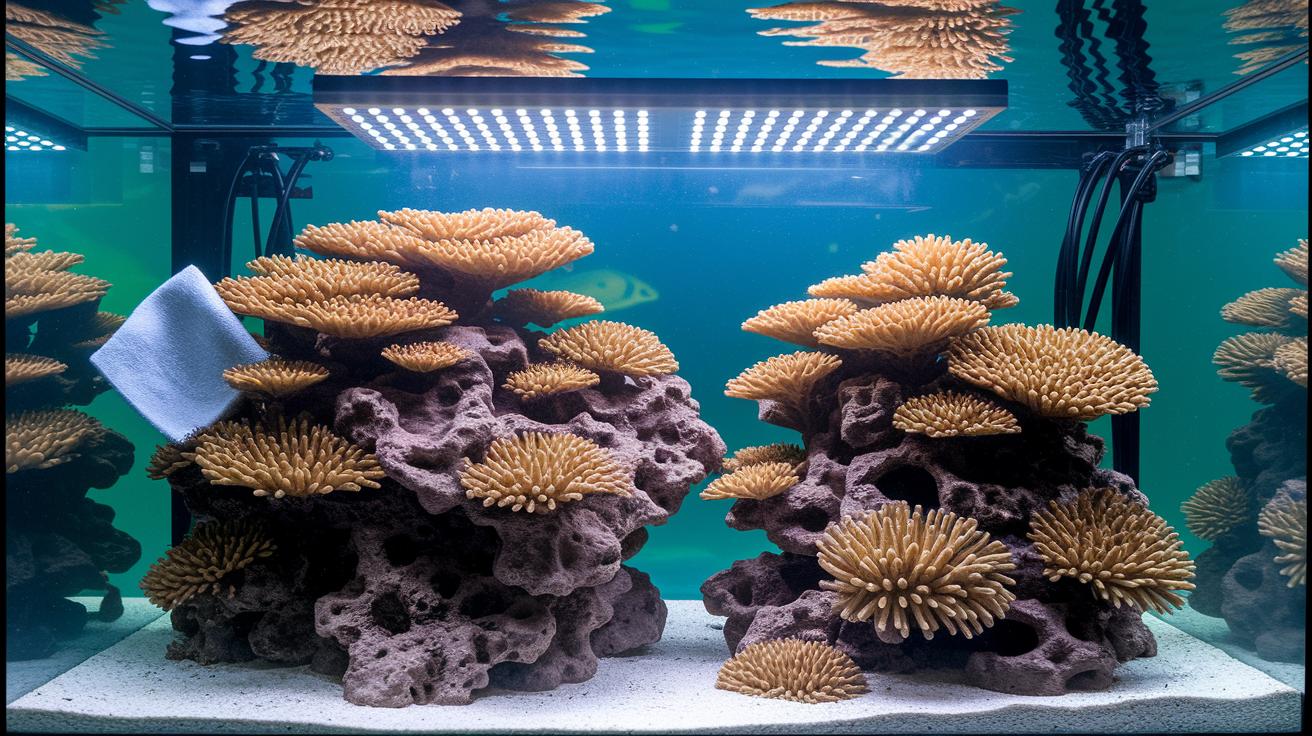
Keeping your tank's lights shining bright is all about routine care. LED lights usually perform well for three to seven years before they start to dim. I like to gently wipe the lenses with a soft cloth every month to remove any salt buildup that might dull the light. Every few months, check your power cables and drivers for any signs of wear. And if your system has programmable coral lighting, remember to update its firmware once a year. It’s like giving your aquatic home a refreshing tune-up!
If you spot subtle changes like flickering lights or uneven brightness, it might be a sign that some of the LEDs or drivers are not working their best. Imagine noticing a brief flash during an evening cycle, that little blink is a hint to double-check your connections or replace old parts. Keeping an eye on energy use and comparing it with what you expect can help you catch issues early. A quick fix, like tightening a connector or swapping out a component, can keep your underwater world thriving with that radiant marine glow.
Advanced Spectrum Tuning and Programming for Coral Vitality

Modern reef lighting systems offer you the chance to control each light channel, like UV, violet, blue, white, green, and red, so your tank shines just as nature would. This precise control lets you create a light spectrum that feels natural and helps your corals thrive. And with programmable ramp scheduling that mimics the gentle flow from dawn to mid-day to dusk, your corals adjust gradually without any sudden shocks.
| Feature | Programming Capability | Benefit |
|---|---|---|
| Channel-specific control | Adjust UV, violet, blue, white, green, and red separately | Matches the light spectrum to your coral’s needs |
| Ramp scheduling | Set up gentle dawn-to-dusk cycles | Keeps your corals calm and stress-free |
| Spectral calibration tools | Works with PAR meters and spectrometers | Ensures your light output stays consistent and accurate |
By merging these techniques, you can use your smartphone to design multi-stage lighting schedules that feel just right. Advanced controllers let you make exact tweaks while keeping an eye on the spectral output. In truth, this creates a balanced, vibrant marine world where your corals stay healthy and your tank becomes a lively, radiant showcase of underwater beauty.
Final Words
In the action, our blog explored lighting basics for coral photosynthesis and compared saltwater aquarium lighting options like LED, T5, and Metal Halide. We explained how tank size and coral needs affect fixture choices, shared tips for smart and DIY setups, and offered advice on routine cleaning and troubleshooting. Every part of this guidance was crafted to help you create a beautiful and balanced underwater home. It’s all about making your underwater world glow with health and inspiration. Enjoy setting up your vibrant aquatic space!
FAQ
What is the best lighting for a saltwater tank?
The best lighting for a saltwater tank typically uses full-spectrum LED units that provide the right wavelengths and intensity for coral photosynthesis while offering energy efficiency and adjustable cycles.
How much light does a saltwater aquarium need?
The saltwater aquarium light needs depend on the coral types and tank depth. Hard corals require higher PAR levels, while soft corals thrive on lower intensities measured in PAR units for proper growth.
How long should I leave my saltwater aquarium lights on?
The saltwater aquarium lights should run for about 10 to 12 hours daily to simulate natural daylight cycles, promoting healthy coral and fish behavior while preventing overexposure.
Do saltwater fish need light at night?
Saltwater fish typically benefit from a dark period at night to rest. Some setups use low-light moon settings, which can be gentle on both fish and certain corals without disturbing their natural rhythm.
What does a saltwater aquarium lighting kit include?
A saltwater aquarium lighting kit usually contains a fixture with LED modules or fluorescent tubes, cables, and mounting hardware designed to deliver specific wavelengths ideal for supporting coral and marine life.
What is a full spectrum LED light for a reef tank?
A full spectrum LED light for a reef tank delivers a range of wavelengths that support coral photosynthesis and marine life, offering adjustable intensity and colors that closely mimic natural sunlight.
How can I choose saltwater aquarium lighting on Amazon?
The best saltwater aquarium lighting on Amazon comes from reputable brands and includes detailed product reviews. Look for models that specify full-spectrum output and provide adjustable settings for optimal reef health.
What is the Nicrew Reef light and how does it perform?
The Nicrew Reef light is an affordable LED fixture designed for saltwater tanks. It offers a balanced spectrum that supports coral vitality and is popular among beginners and small reef setups.
How do reef lighting LED systems support coral health?
Reef lighting LED systems provide a balanced, customizable spectrum that boosts coral photosynthesis and overall growth by mimicking natural sunlight, ensuring symbiotic algae receive the light they need for energy.