

Ever thought about how a quick water change might brighten your betta’s home? Regular cleaning helps wash away the waste and toxins that build up slowly in your tank. It’s like giving your fish a fresh start in a calm, safe spot that eases its stress and boosts its health.
Whether your setup is a tiny bowl or a larger tank, swapping out a bit of water once a week can really make a difference. Give it a try and see how simple changes can create a sparkling space where your betta can truly flourish.
Essential Guidelines for betta water changes
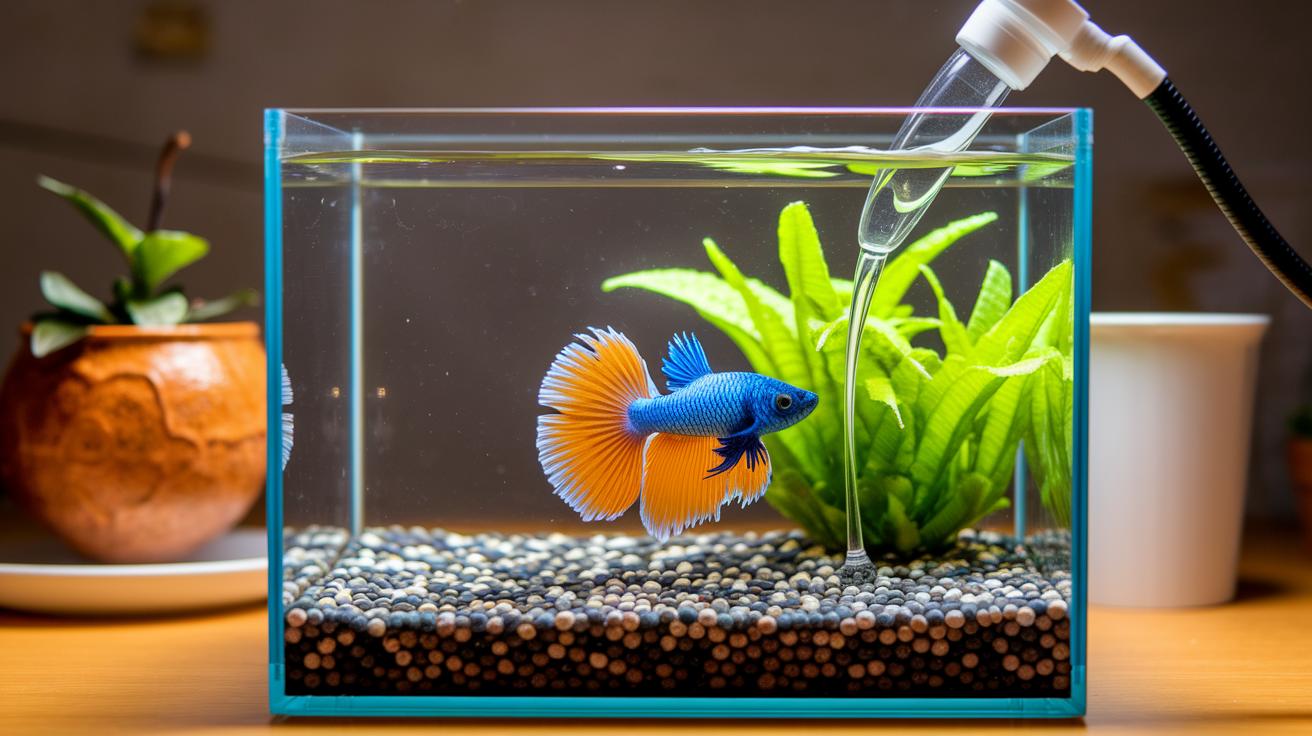
Betta water changes are like giving your fish a fresh, cozy home. Because bettas are sensitive to water quality, regular care helps sweep away toxins such as ammonia, nitrites, and nitrates that can sneak into the tank. Smaller tanks or tanks with many fish may need a bit more attention to keep the water just right.
Weekly partial water changes work wonders. By swapping out a bit of the water, you preserve the friendly bacteria that naturally help keep diseases at bay. This simple routine refreshes the water, reduces stress on your betta, and creates a clear, safe environment, almost like a gentle current soothing your fish every day.
It helps to:
- Remove harmful waste and toxins
- Keep the good bacteria that balance the tank
- Lower the risk of disease
- Maintain water clarity and a steady, safe temperature
By following best practices for aquarium water changes, you’re ensuring that your betta lives in a healthy, inviting space. Matching water temperatures during each refresh supports a stable environment, making sure your fish can thrive in a home that feels as calm as a quiet, sunlit pond.
Scheduling betta water changes by tank size and conditions
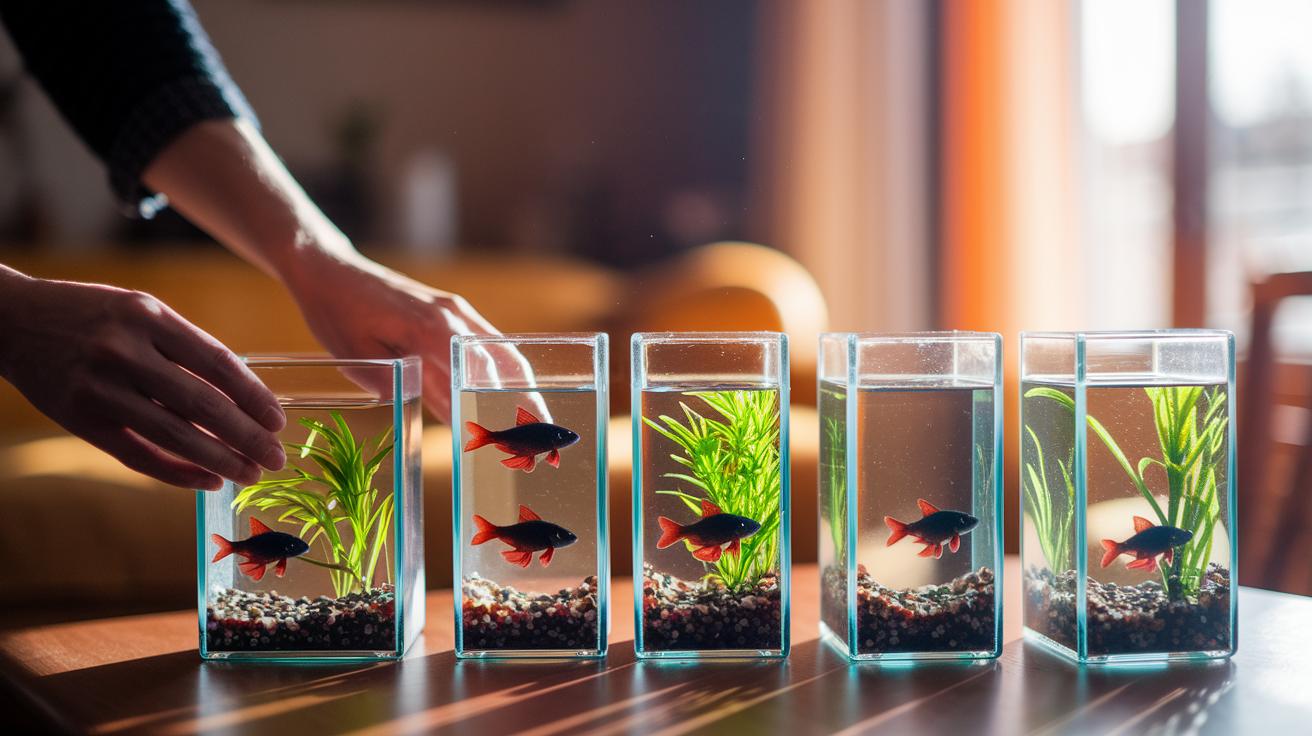
Taking care of your betta means keeping its home clean and fresh. The size of the tank plays a big role in how often you need to change the water. Whether you have a little bowl or a larger aquarium with a filter, following the right schedule can help stop harmful toxins from building up.
| Container Type/Volume | Recommended Change Percentage | Change Interval |
|---|---|---|
| Filtered Aquariums | 40% | Every 2–3 weeks |
| One-Gallon Bowls | Partial Change | Once per week |
| 2.5–5 Gallon Tanks | Partial Change | Once per week |
| Small Cups/Jars (<1 Gallon) | Partial Change | Every other day |
When you're planning your water changes, matching the routine to your tank size can make all the difference. For example, if you're treating your betta with Hikari Revive, you really need to change the water every day. By fine-tuning your schedule to your tank's setup, you can enjoy clear, refreshing water that helps your betta thrive.
betta water changes: Brighten your betta tank
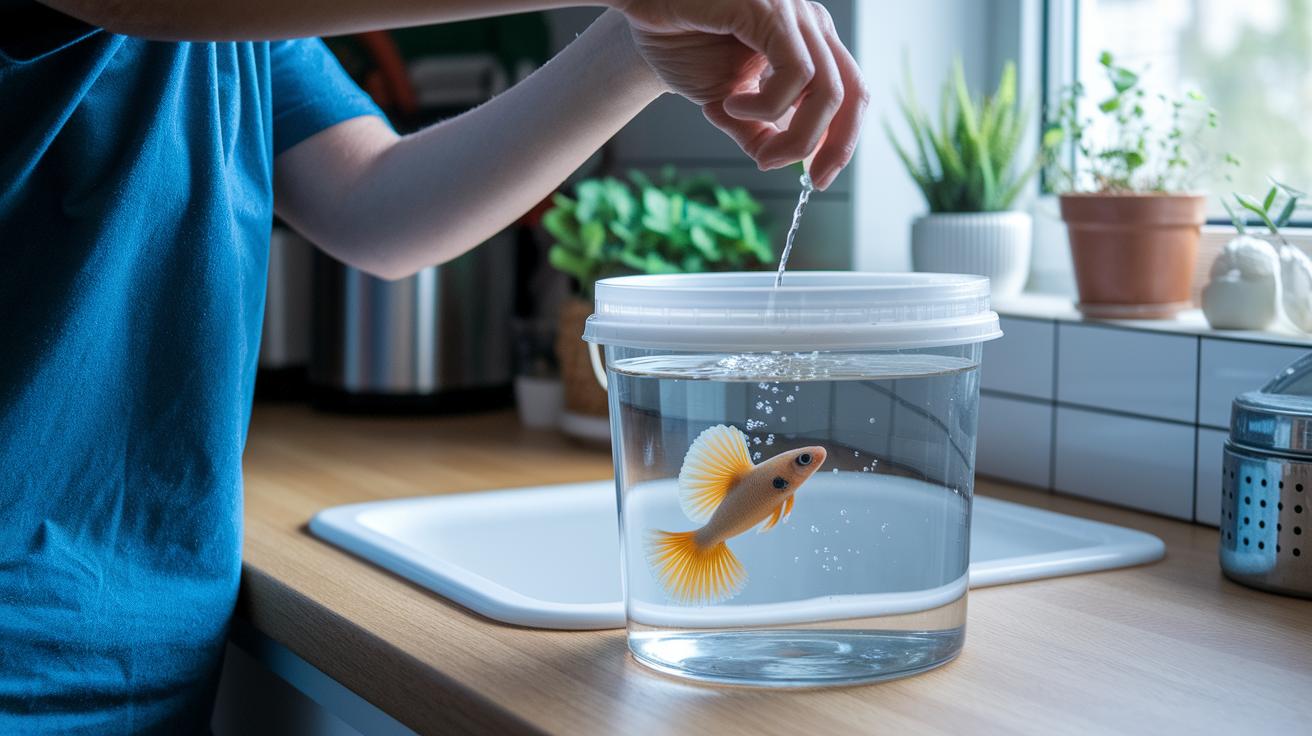
When you're getting ready to refresh your betta tank, first grab a bucket that’s used only for your aquarium water. Choose one that’s chemical-free and free of any soap or residue. This helps make sure your tap water stays pure and your betta’s home remains safe.
Next, treat the tap water with a water conditioner to get rid of chlorine and chloramines, which can be harmful. Just follow the instructions on the bottle so your betta’s delicate fins and scales stay protected. It’s like giving your fish a gentle shield to keep its water clean and healthy.
Finally, check that the new water is the same warm temperature as your tank before you add it. Use a thermometer to be sure and adjust it slowly if you need to. Matching the temperature helps avoid sudden changes, so your betta stays calm and happy in its refreshed, sparkling home.
betta water changes: Brighten your betta tank

First, switch off all your tank’s gear, the filter, heater, and air pump. This helps keep splashes away from sensitive parts and lets your betta enjoy a calm space, like a quiet stream.
If you think your betta might get stressed, gently move it to a small temporary container. Fill this little home with some of the old water so your fish feels at home even during the change.
Next, use a gravel vacuum to slowly siphon out the old water. This tool works like a gentle broom, sweeping away debris and leftover food while clearing out the tired water.
Take a moment to check your tank’s surfaces and decorations for any algae or buildup. With a soft tool or even your hand, lightly clean off any spots to keep everything sparkling and inviting.
Now, carefully pour in new water that matches the tank’s temperature and has been properly conditioned. Add it slowly, as if you’re letting a calm stream join a quiet lagoon, so the substrate stays undisturbed and the temperature remains steady.
Once the tank has the right water level, restart your equipment. Turn the filter, heater, and air pump back on and check that everything is humming along nicely.
By following these easy steps, turning off your equipment, giving your betta a temporary spot if needed, gently siphoning, tidying up, refilling slowly, and turning everything back on, you set up a peaceful, balanced home that keeps your betta happy and healthy.
Monitoring water quality after betta water changes
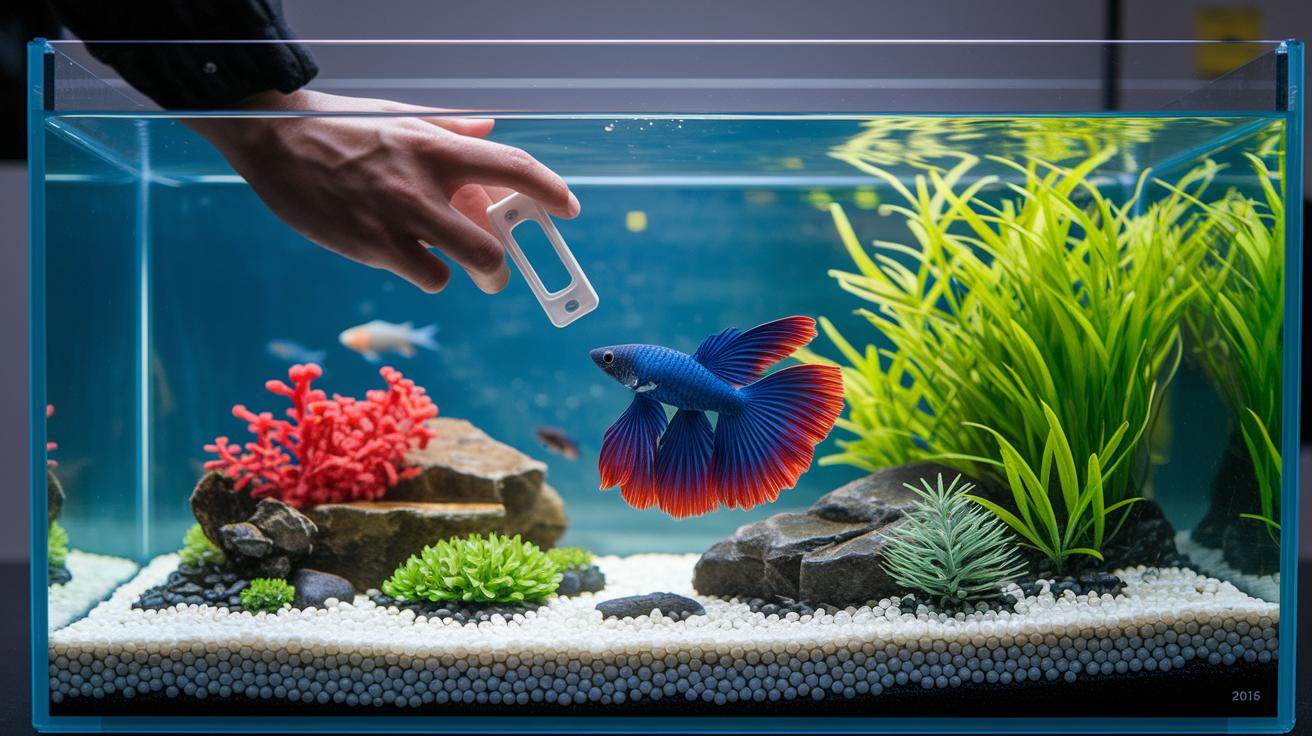
After you finish a water change, it’s a great idea to check the water quality right away. It’s like giving your betta a mini checkup, quick and important. Grab your freshwater test kit and run tests for ammonia, nitrites, nitrates, and pH, so you know the water is just right.
Using a trusty test kit can help you catch any tiny imbalances before they become a bigger issue. For bettas, you want ammonia and nitrites to be 0 ppm, nitrates below 20 ppm, and pH levels around 6.5 to 7.5. I remember the first time I tested my tank, it felt like watching soft ripples glide over smooth stones when I saw everything was in balance.
| Test | Ideal Value |
|---|---|
| Ammonia | 0 ppm |
| Nitrites | 0 ppm |
| Nitrates | < 20 ppm |
| pH | 6.5 – 7.5 |
If any reading strays, for example, if nitrates creep above 20 ppm, it’s a sign that you might need to make a few more tweaks or clear out some debris. For more details, check out the article on aquarium water quality testing and maintenance at https://sweetfysh.com?p=3285.
Advanced betta water changes with live plants and filter considerations
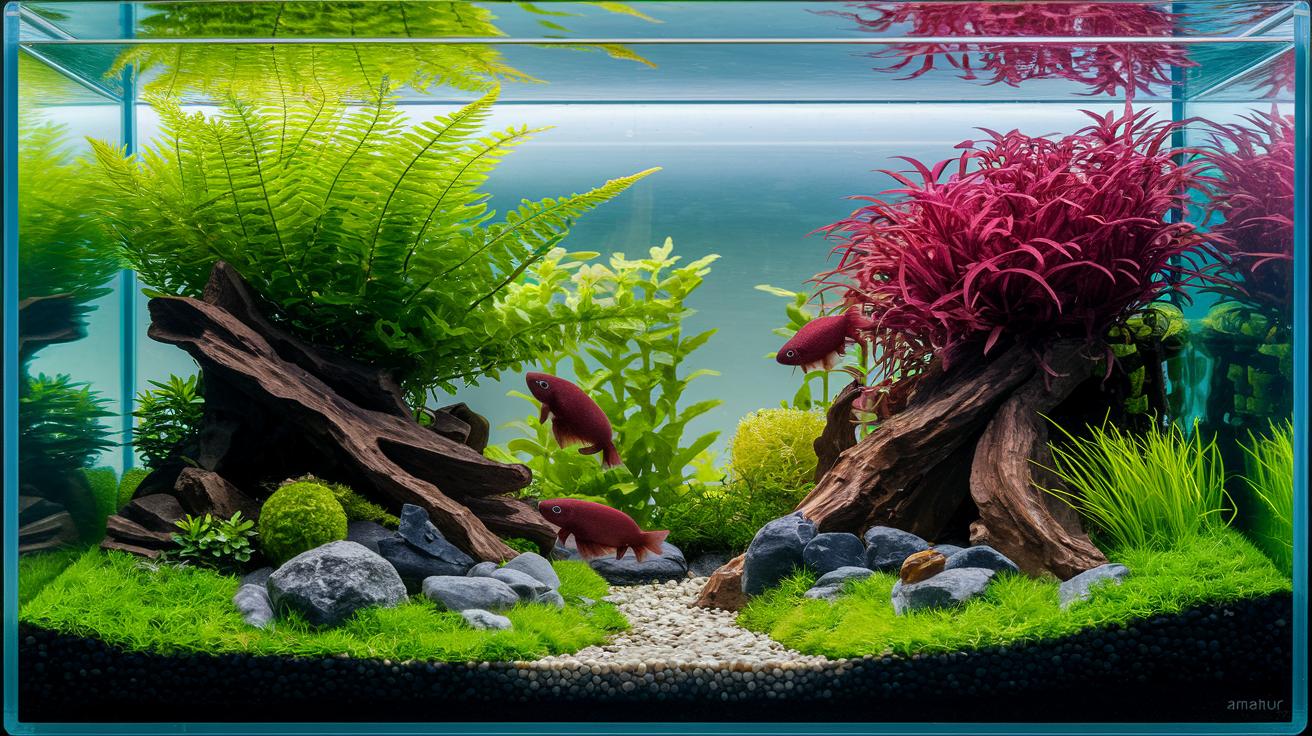
Live plants do more than bring a splash of color to your betta tank. They naturally soak up toxins and add extra oxygen to the water, making your tank feel fresh and vibrant. When these plants take in extra nutrients, they help cut down on nitrate buildup. This means you might not have to change the water as often, leaving your betta to enjoy a peaceful, balanced home.
For your betta, friendly plants like java fern, java moss, Najas grass, and water sprite work best. They thrive in low to moderate light and are gentle on your fish. These plants act like nature’s little helpers, cleaning the water by removing excess compounds. This extra care means fewer water changes and more time to watch your betta glide gracefully around the tank.
When using a filter, live plants still make a big difference. The filter takes on much of the heavy work, and partial water changes help keep things clear. But if you’re using a bowl without a filter, you’ll need to change the water more often. By balancing a filter with gentle water refreshes and the help of live plants, you make sure your betta always has a sparkling, healthy home.
Special considerations for betta water changes during medication and in small setups
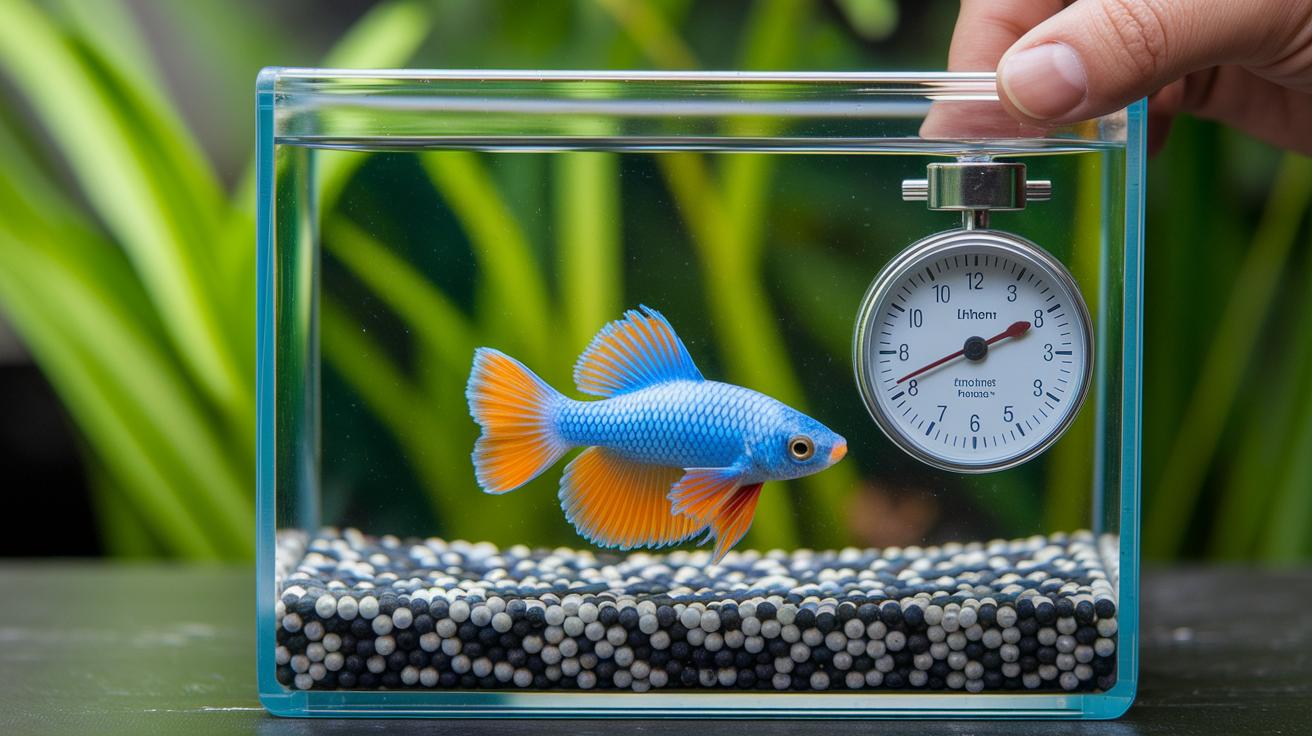
When your betta is on medication, like antibacterial or antifungal treatments, it's best to change all the water every day. This daily refresh helps wash away leftover medicine and any toxins, keeping the treatment strong and your fish feeling comfortable.
In tiny tanks or bowls under one gallon, water quality can drop quickly as toxins build up. If you see cloudy water or notice your betta slowing down, try changing the water every one or two days to restore a clean, healthy setting.
When you need to remove over half of your tank’s water, gently move your betta to a temporary container first. This extra step helps lower shock and keeps your fish relaxed. If you’re only taking out less than half the water, do it slowly and watch the water temperature to make sure your betta stays comfortable.
Final Words
In the action, this guide covered clear steps for caring for betta fish. We broke down scheduling changes based on tank size, the process for preparing safe water, and a straightforward method to clean and refresh your aquarium. It also discussed testing water quality and handling special cases like medication or small setups.
Keeping a routine of betta water changes helps your fish thrive and builds a calm home in the tank. Every tip shared here sets the stage for a healthier and more comfortable aquatic environment.
FAQ
- What insights do Reddit users share about betta water changes?
- Betta water change discussions on Reddit often highlight the need for regular, partial water changes to remove waste and maintain steady water conditions for healthy bettas.
<dt>How often should I change my betta fish water without a filter, and how often is it safe to leave it without a change?</dt>
<dd>Bettas in tanks without filters typically need a partial water change about once a week to reduce toxins and keep the water clear and safe for your fish.</dd>

<dt>How often should I change my betta fish water when using a filter?</dt>
<dd>When using a filter, changing about 40% of the water every 2–3 weeks generally helps maintain proper water chemistry while preserving the beneficial bacteria.</dd>

<dt>How can beginners properly change betta fish water?</dt>
<dd>Beginners should gently siphon out old water and slowly add dechlorinated, temperature-matched water, ensuring a gradual refresh that protects the betta from stress.</dd>

<dt>Is it okay to perform a 100% water change for a betta fish?</dt>
<dd>A 100% water change can be useful during medication but may stress the fish by removing beneficial bacteria, so partial changes are usually better for regular care.</dd>

<dt>What are the best techniques for changing water in a small betta tank?</dt>
<dd>In a small tank, carefully remove water with a low-siphon method and slowly add fresh, treated water to keep the environment stable and minimize stress for your betta.</dd>

<dt>What should I know about changing betta water without using a water conditioner?</dt>
<dd>Changing water without a conditioner risks leaving harmful chlorine in tap water, which can stress your betta; it’s best to treat tap water before adding it to the tank.</dd>

<dt>How long can a betta fish go without a water change before its health is at risk?</dt>
<dd>Bettas should not go more than a week without a water change in non-filtered tanks, as prolonged periods can lead to toxin buildup and increased stress on the fish.</dd>