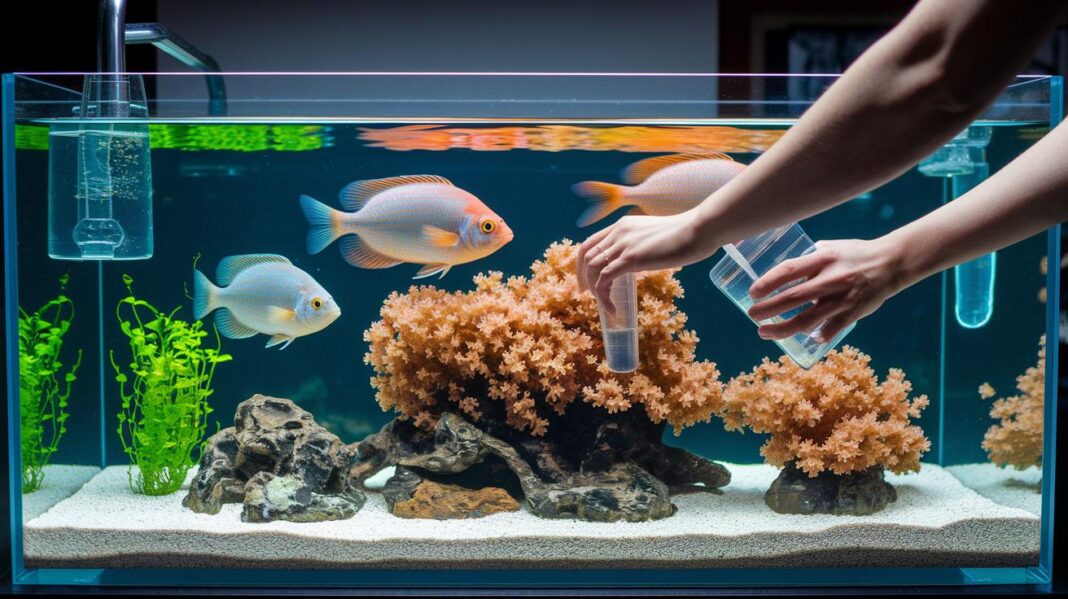

Ever wonder if changing your tank water really gives your fish a boost? Regular water changes not only wash away unwanted stuff but also bring back those tiny, essential bits that keep your fish lively and happy.
A simple routine of swapping out some water sends away hidden waste and keeps harsh chemicals at bay, think of it like letting a fresh current sweep through your tank. When you see your fish zoom around with extra energy and their colors start to pop, you'll know that a clean tank truly makes a difference.
In truth, refreshing your water is like giving your aquatic friends a little spa day, keeping your underwater world bright, safe, and full of life.
How Water Changes Drive Fish Health Benefits

Regular water changes help flush out hidden pollutants like excess nitrates and phosphates that build up from fish waste, decaying bits, and leftover food. When you clear out these impurities, your tank stays cleaner and clear, and pesky algae stays in check so your fish can thrive.
Switching out part of your water with dechlorinated water does more than keep things clear, it also tops off essential trace elements. Elements like iodine, molybdenum, vanadium, and others support key enzymes in your fish, boosting their immune systems and helping tissues repair. I remember one water change making my fish noticeably brighter and more active, like they were giving me a silent high-five for a fresh start.
Don't forget to clean the substrate and décor too. Replacing just 10–25% of the water each week helps wash away waste hidden in the gravel while keeping algae from overtaking the tank walls. It’s a bit like mimicking nature, where a gentle flow of water keeps everything balanced and full of oxygen.
Weekly water changes also give you a great chance to watch your fish closely. If you see any changes like dull colors, odd swimming patterns, or less appetite, it might be a sign of stress or trouble. For a thorough check, you might want to look into fish tank water quality testing and maintenance (https://sweetfysh.com?p=3285) to make sure your water is just right. Keeping an eye on these details helps create a healthy, balanced home that supports both the physical and immune well-being of your fish.
Water Quality Variations in Water Changes and Fish Health Outcomes
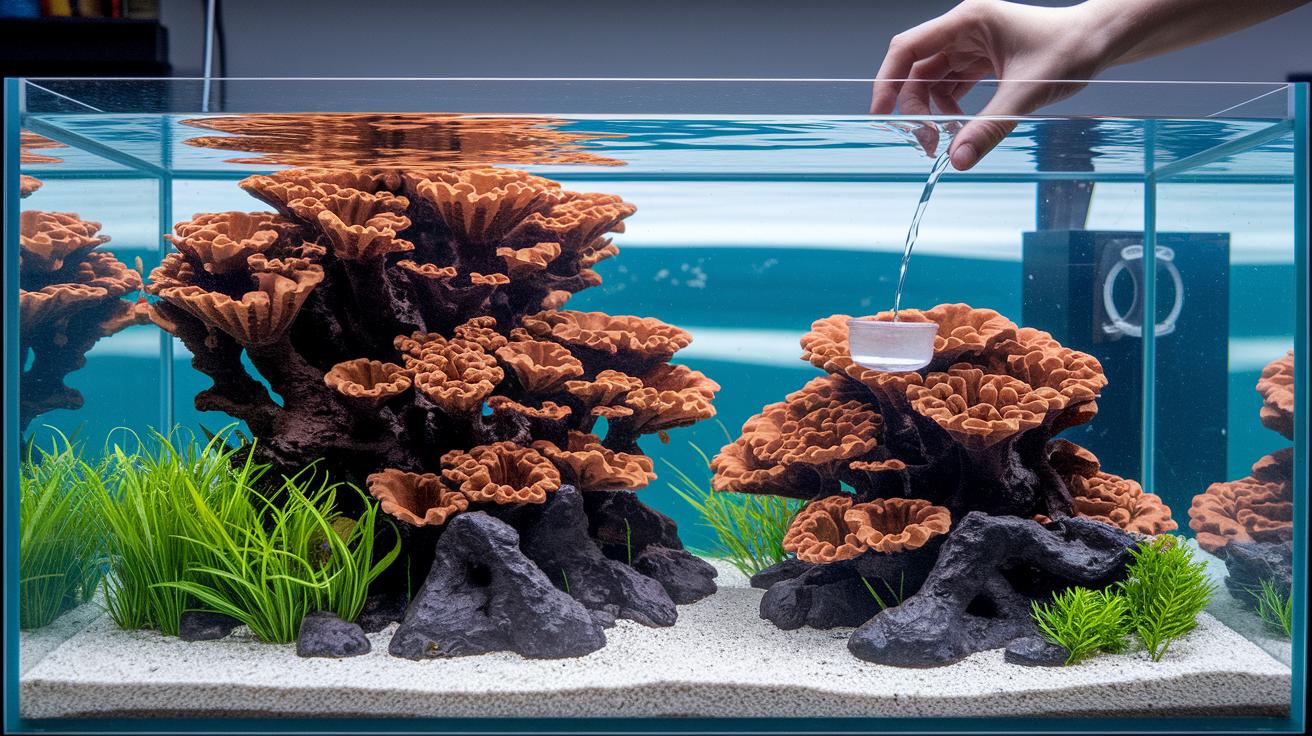
Regular water changes help wash away pollutants like nitrates and phosphates, keeping unwanted algae under control. When you swap out 10–25% of your tank water, you clear away hidden waste from the gravel and decor, while also letting more oxygen mix in at the surface. It’s a bit like cleaning a foggy window, suddenly, everything looks much clearer.
Even a modest 15% water change can boost water clarity and oxygen levels, making your fish seem more lively during feeding. It’s a small tweak that really brightens up the tank.
After each change, checking how clear the water is can be a handy way to see if everything’s on track. This simple step helps you know that your efforts are really paying off.
If you keep an eye on how often you change the water, you can fine-tune your routine to support your fish’s breathing and natural eating habits. Ever wonder how often you should change your aquarium water? Paying close attention will help you keep a balanced and clean home for your fish.
Trace Element Replenishment via Water Changes for Fish Immunity
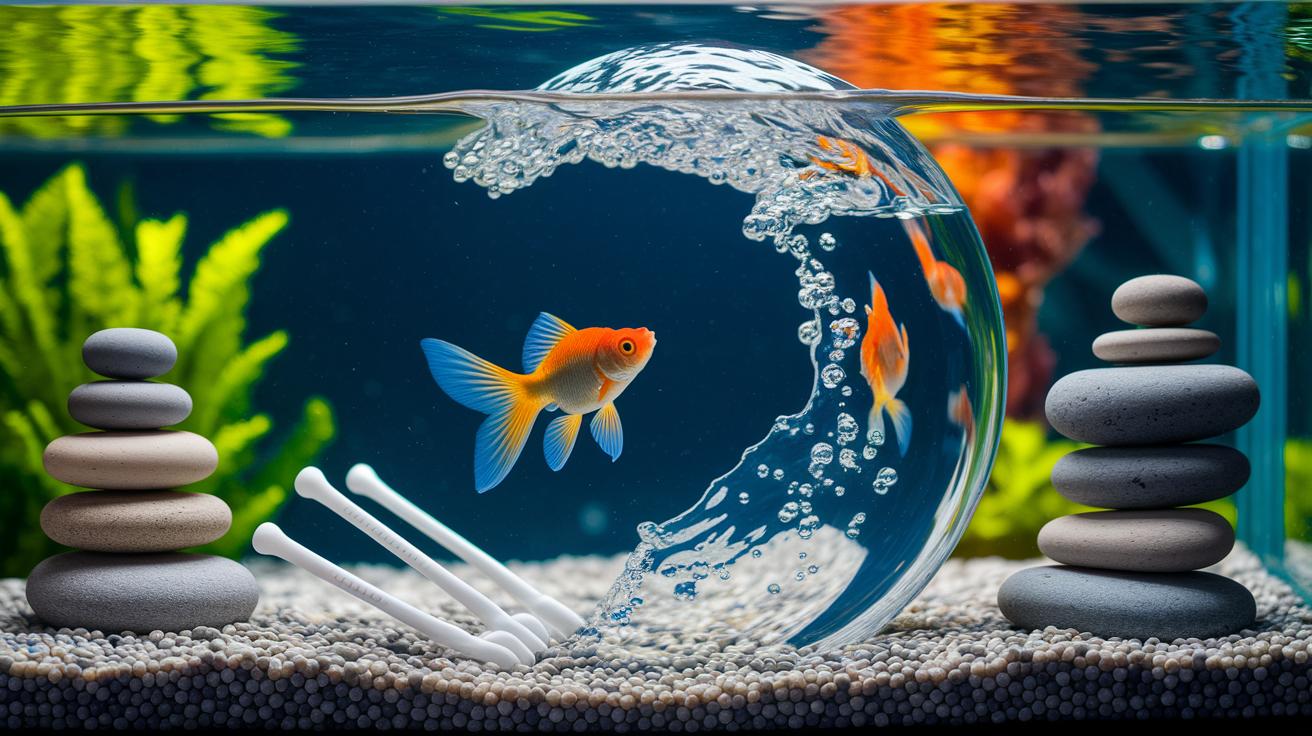
Water changes do more than keep your tank clear, they also add important minerals that help your fish stay strong. Researchers have found that these regular water refreshes adjust the levels of elements our fish need. For instance, iodine supports hormone production, copper and zinc help enzymes repair tissues, and selenium boosts the fish's natural antioxidant defenses. Imagine a fish healing quicker from a small fin tear because its natural repair team is working at full power thanks to a balanced mineral boost.
Studies in controlled tanks show that when tanks have a steady supply of these minerals, fish heal better and stay healthier overall. By keeping an eye on mineral levels during your water changes, you can notice shifts in how well these enzymes work. This means you can fine-tune your water care and even adjust the minerals available, ensuring your aquatic friends get the best care possible.
Fish Behavior Monitoring During Routine Water Changes
We merged this section with earlier content so you won’t see the same details repeated. It keeps things clear and simple, just like enjoying the smooth flow of water in a calm aquarium.
Natural Ecosystem Simulation Through Water Changes for Fish Health
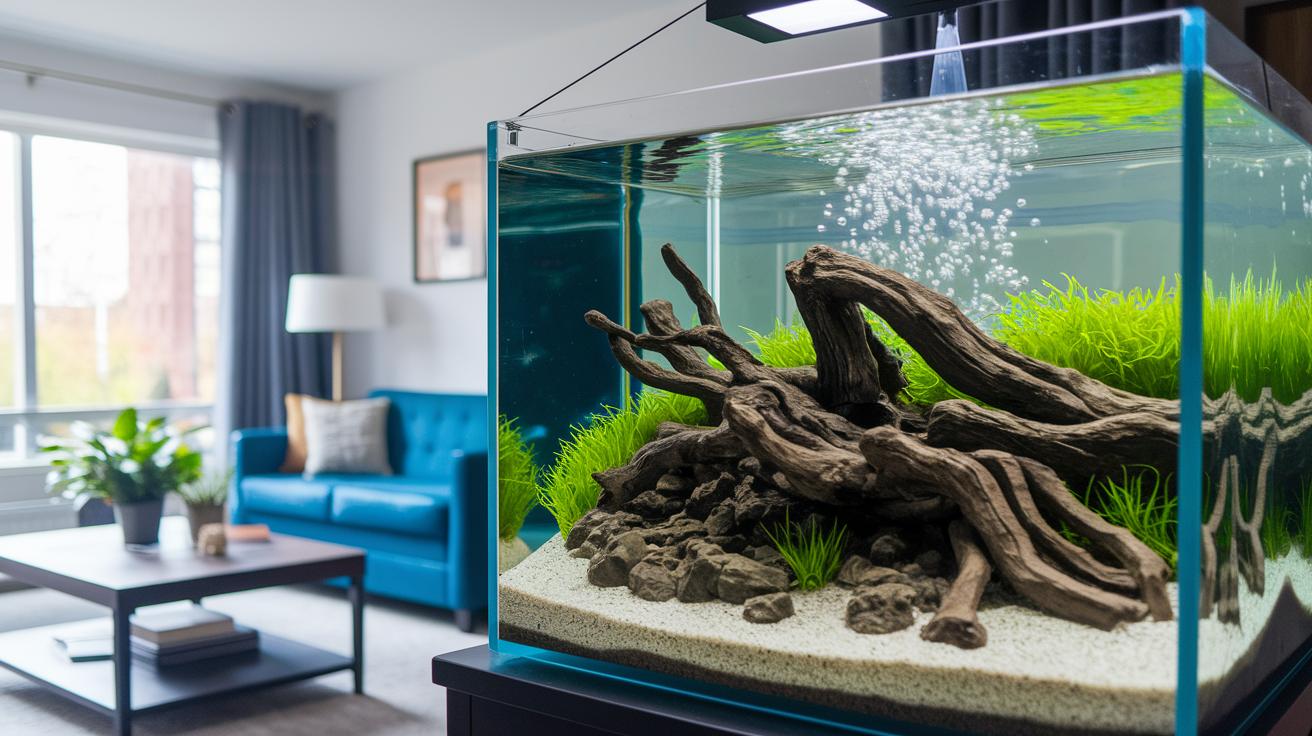
Imagine your aquarium as a little creek, where every water change creates a fresh current that flows just like a natural stream. When you swap out the old water for new, you're echoing the gentle pulse of a river, keeping your tank lively and balanced. It’s a bit like letting nature work its quiet magic, giving your fish a habitat that feels both familiar and refreshing.
Each time you change the water, you're not just scrubbing out the bad stuff, you’re also inviting in a burst of fresh oxygen and key minerals, kind of like a crisp breeze on a sunny day. This new water helps the friendly microbes in your tank break down waste, keeping everything clear and healthy. It’s like giving your fish a little sip of nature’s best, encouraging their natural behaviors and overall well-being.
With regular water changes, you create a cycle much like a real river, where water is always renewing itself. This steady flow keeps the tank’s balance just right, letting your fish thrive in an environment that mirrors their wild home. In truth, it’s a simple routine that builds a natural, ever-refreshing ecosystem, helping your aquatic friends grow strong and happy where they are.
Best Practices for Water Changes to Maximize Fish Health Benefits
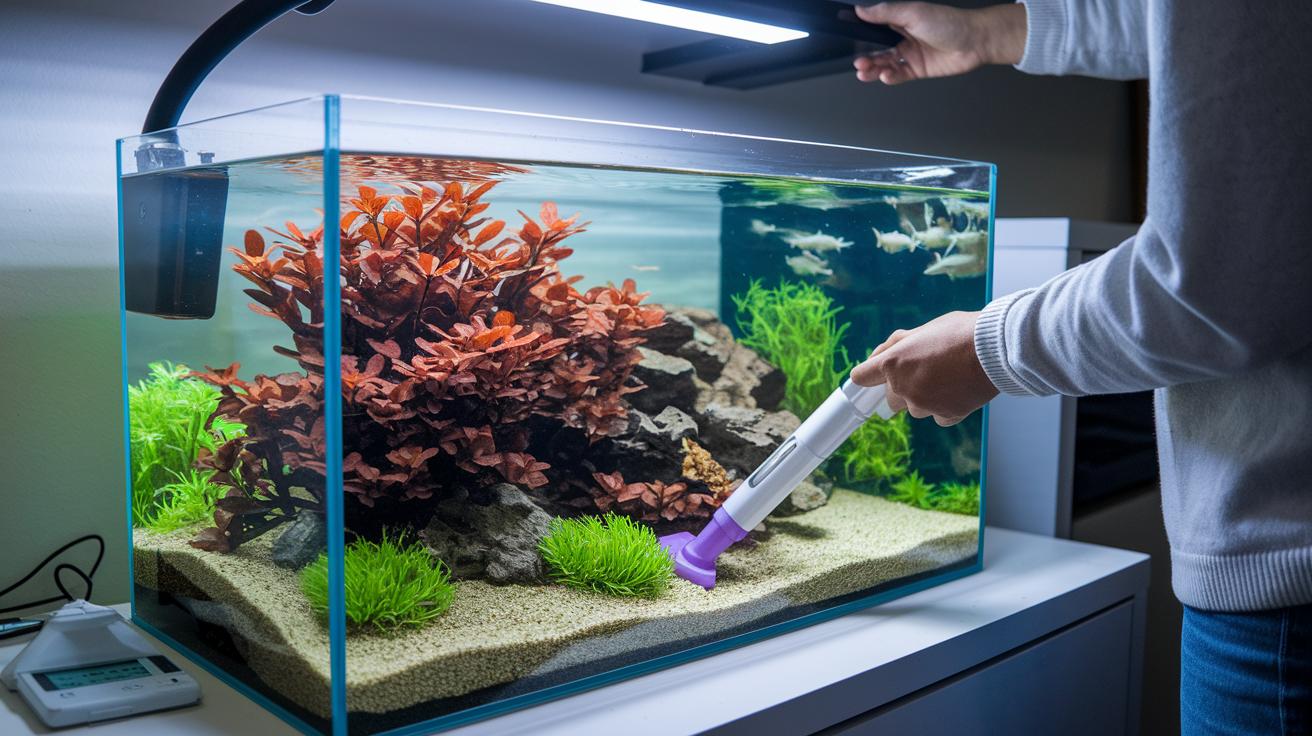
Stick to a routine by changing 10-25% of the water every week using aged, dechlorinated water that’s a close match to your tank's temperature. For example, replacing 20% of the water on Saturday morning can become a refreshing ritual your fish will love.
Next, give your substrate a gentle vacuum. This light cleaning feels like a soft massage for your tank’s gravel while sweeping away unwanted debris without disturbing the good bacteria that keep your tanks vibrant.
It’s important to check your water quality regularly. Measure nitrate, phosphate, and ammonia before and after your water change, just like you’d check tire pressure before a road trip. A quick check now helps you adjust your routine later if anything seems off.
When you reintroduce new water, do it slowly so you don't stress your fish. A gradual flow is like easing into a cool bath on a warm day, allowing your finned friends to settle in comfortably.
Remember to handle your filter media with care. Instead of rinsing away the helpful bacteria, gently swirl them in a little tank water to keep those tiny cleaners safe and sound.
Following these practices not only makes your water clearer but also creates a balanced, healthy habitat for your fish. Keeping a steady routine builds a chemical balance that always works in favor of your aquatic buddies.
Final Words
In the action, routine water changes clear out pollutants and bring back essential trace elements that boost fish well-being. They help maintain a clean, balanced aquatic environment while offering the perfect chance to spot signs of stress early.
Keeping up with these practices means linking water changes and fish health benefits, just like nature intended. Regular care creates a comfortable undersea haven where fish thrive and you enjoy watching life bloom in your aquarium. Keep making those changes and enjoy the rewards in every ripple.
FAQ
Are water changes good for fish?
The water changes are good for fish because they remove excess waste like nitrates and phosphates, clearing the water and replenishing trace elements that help keep fish healthy and vibrant.
Why do you think water changes are important for fish health?
The water changes are important for fish health because they clear harmful buildups and refresh the water with essential minerals. This mimics natural flows, supporting fish immunity and balanced behavior.
How long to wait to add fish after a water change?
The water changes are generally designed for immediate use once conditions stabilize. After matching temperature and verifying water parameters, fish can usually be added without delay to avoid stress.
Why are my fish sick after changing water?
The water changes might cause fish to appear sick if conditions shift too quickly. Sudden changes in temperature or chemical balance, including improper dechlorination, can stress fish and lead to illness.