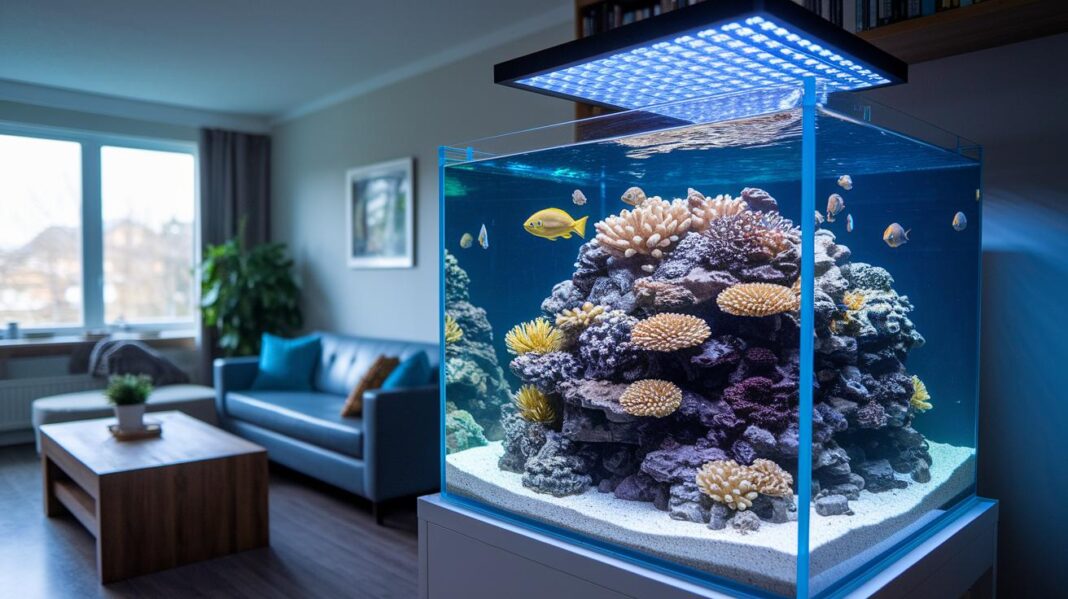

Ever wonder if your aquarium could glow like a hidden treasure in a secret lagoon? Underwater LED systems give your tank a warm, radiant spark while using barely any energy. Picture a light that's bright yet super efficient, lighting up your underwater world for years without driving your bills up.
In this post, we dive into how these lights blend durability with a splash of color to set the perfect mood. They quickly transform your tank into a lively, inviting space where every ripple brings a smile.
Underwater lighting for aquarium: Radiant Brilliance

Imagine your tank lit up like a sunny day by the water's edge. Underwater LED systems bring a lively sparkle to your aquarium while keeping power use low. They often run at only 80 W, so you get bright, inviting views without worrying about high energy bills.
These lights are built to last. Many come with LEDs that shine for up to 50,000 hours. That’s like watching the gentle ripple of water go on endlessly, ready to light up your tank for many years to come. You might even think of it as a light that outlasts your favorite seasons and stays with you through every joyful splash.
Plus, these systems offer 6 different color modes. Whether you want a warm glow that feels like a sunset on the lake or a cool blue reminiscent of a deep-sea adventure, you can easily match the mood of your underwater world. It’s like having your own palette to paint a perfect scene for your aquatic friends.
Key features to keep in mind when choosing your lighting:
- Efficient power use at just 80 W
- LED lifespan of up to 50,000 hours
- Flexible mood lighting with 6 color settings
It’s all about mixing energy savings with durability and style so that your aquarium remains a captivating and vibrant haven for your fish. Enjoy the magic of underwater light and let your tank shine!
Comparing Submerged LED Aquarium Systems
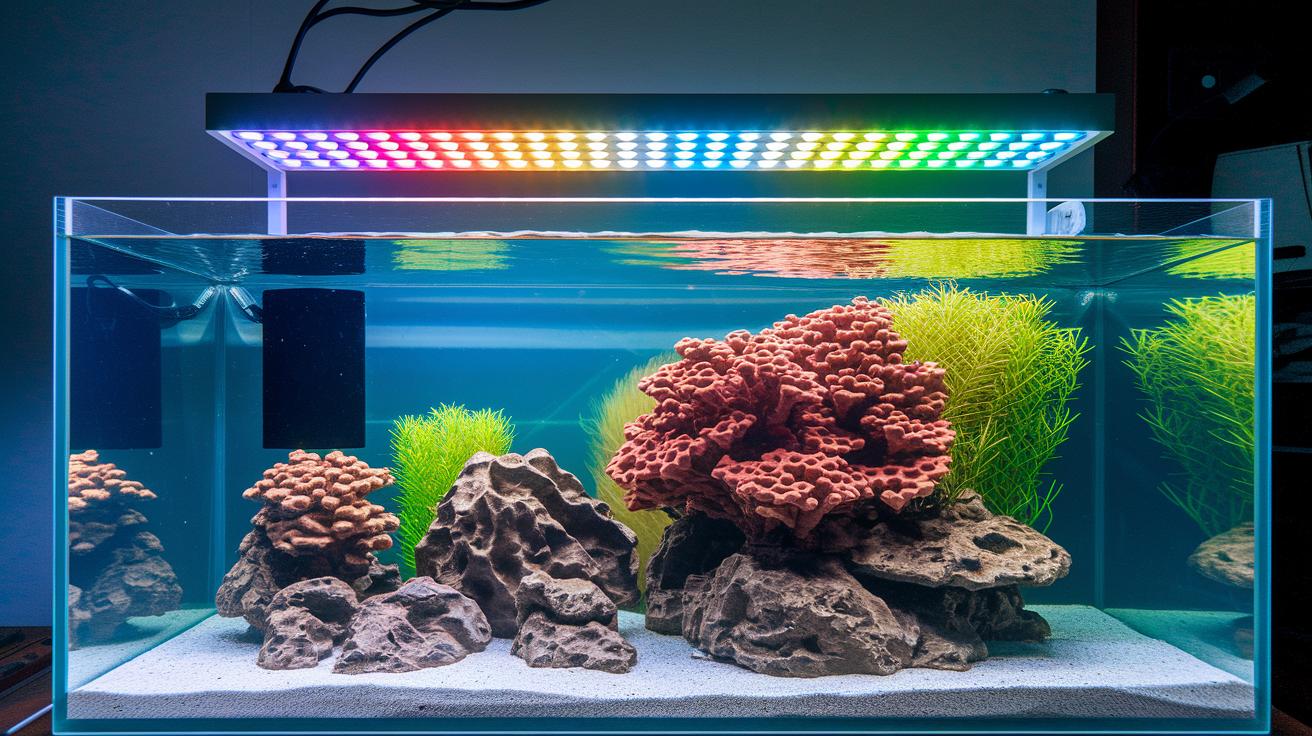
Choosing the right underwater light for your tank can feel like finding that perfect smooth pebble by the water's edge. The best LED systems mix a sleek design with strong, reliable engineering. One model even uses a patented flow-through cooling method to keep the lights at just the right temperature. I heard from one user that their system ran so smoothly in warm water, it kept the lights performing at their best!
Below is a table comparing four popular models on key features:
| Model | Power Draw (W) | Coverage Area (ft) | Color Modes | Cooling Method | Cord Length (ft) | Warranty |
|---|---|---|---|---|---|---|
| Model A | 80 | 60 | 6 Modes | Flow-through | 120 | 1 Year |
| Model B | 80 | 55 | 6 Modes | Flow-through | 100 | 1 Year |
| Model C | 85 | 60 | 6 Modes | Flow-through | 120 | 1 Year |
| Model D | 75 | 50 | 6 Modes | Flow-through | 110 | 1 Year |
Every system is built to save energy and last a long time. The extra-long cords mean you can place your light exactly where it shows off your tank’s charm best. These high-quality underwater LED lights cover even large aquariums up to 60 feet wide. With about 80 watts of power and six different color options, you can easily change the look to suit your mood or needs.
In truth, while the power use and warranty are steady across models, the small details like cord length and coverage area might help you decide which one is right for you. This clear breakdown shows what makes a submerged LED aquarium system a standout choice for any fish lover.
Aquarium Full Spectrum Illumination for Plant Growth
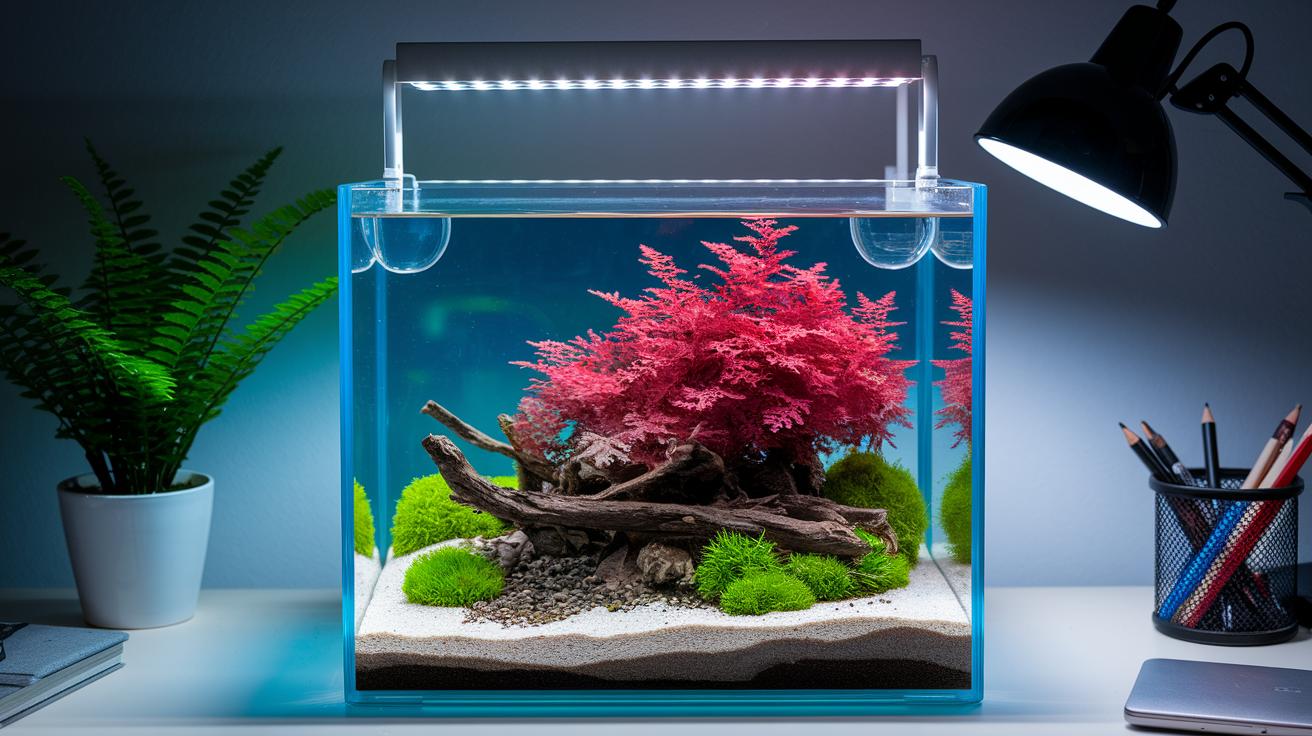
Aquatic plants thrive when they get the right colors of light. Full-spectrum LED lights work like a mini sun for your tank, mixing red and blue lights with special white diodes to brighten everything up. You can switch between six different colors, including white, to create a balanced glow that not only boosts plant growth but also shows off the beauty of your aquarium. Imagine adjusting your lights so the lush greens of your java fern or the gentle shades of your moss pop like a living underwater painting.
When you’re picking out a system, look for ones that offer extra wavelengths to help photosynthesis. Many modern setups let you control the light intensity and color modes, so you can fine-tune the effect for different areas of your tank. It’s a bit like using a focused aquascaping light, each setting helps your plants absorb the perfect mix of light, leading to a vibrant, healthy underwater garden.
Installation Guides for Aquarium Submerged Lights
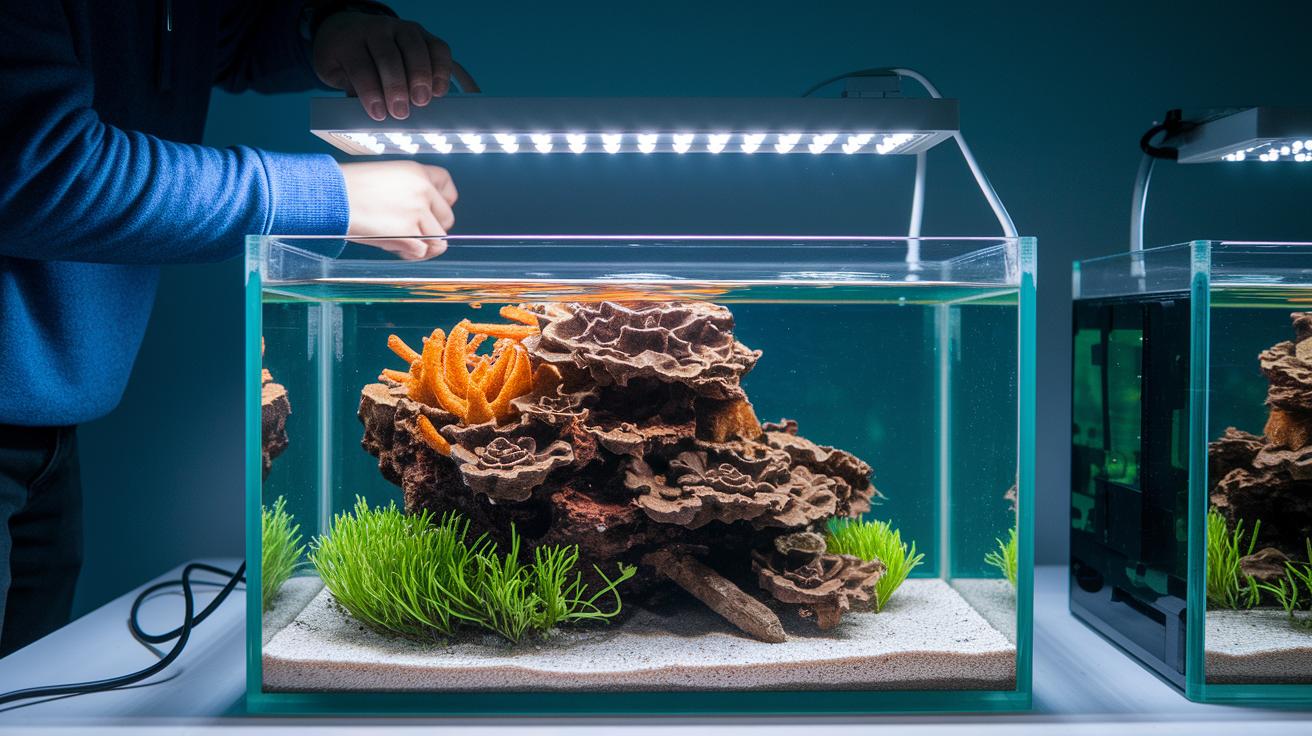
Begin by anchoring your light fixture in a spot that feels just right for your tank. Many models offer extendable cords up to 120 feet so you can easily hide the cord along the tank's edge. Mount the light on a firm surface or use the proper brackets to keep it secure. Think of it like choosing a cozy nook that blends perfectly with your tank’s décor, making the setup both natural and steady.
Then, gently lay out your power cord, keeping it away from busy areas around the tank to avoid accidental tugs. Unwind any twists or knots so the cord remains safe and sound. Picture yourself mapping out a neat trail for a school project, clean and easy to follow.
While setting up, double-check that the cooling fixture makes full contact with the water. This design helps keep your LED lights cool by using a refreshing flow of water, much like a gentle stream on a warm day.
Next, adjust the depth anchors after positioning the fixture. These anchors, which attach to your tank’s base or décor, hold the light securely in place until it's time to switch it on.
Before finally powering up, take a moment to complete a last check. Ensure all electrical connections are tight and every seal is secure. This final review guarantees that your installation meets the best practices for underwater lighting in aquariums.
Maintenance Tips for Underwater Lighting in Aquariums
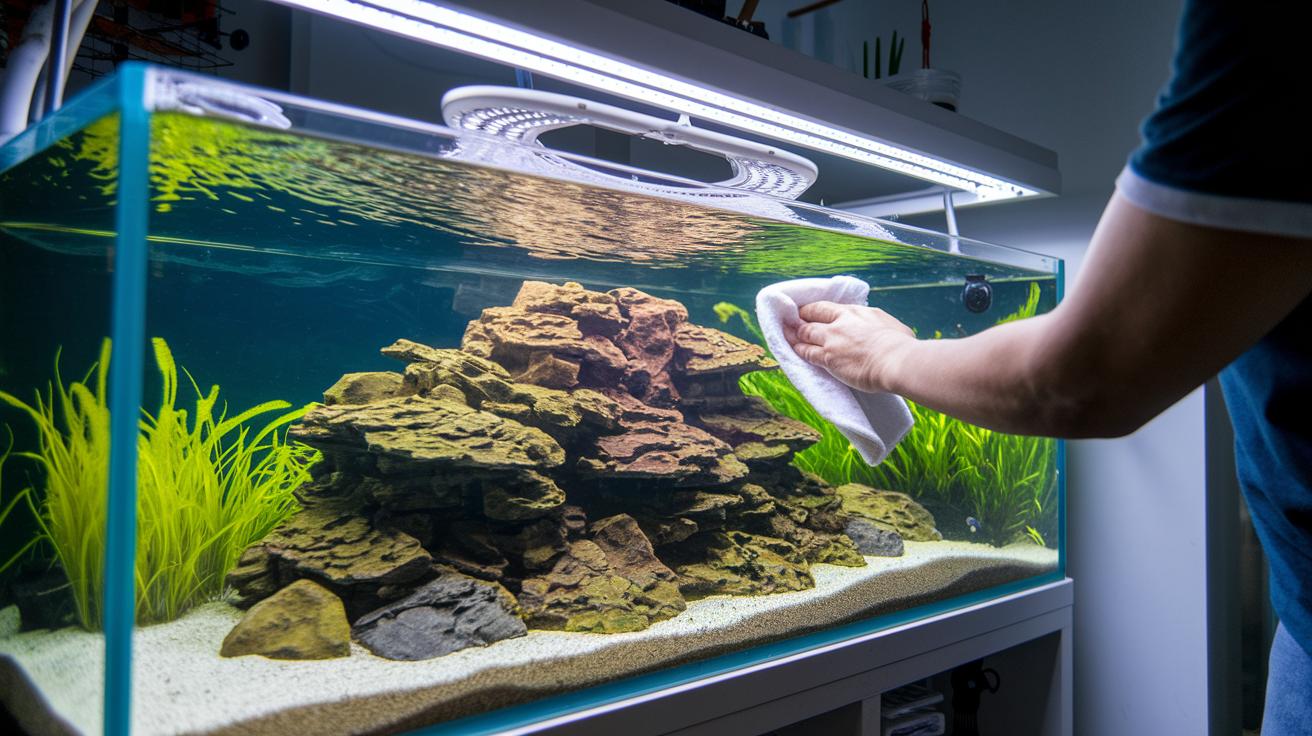
Taking care of your aquarium's underwater lighting is much like keeping a precious underwater treasure aglow. A little love and care help each light beam shine bright. For example, even the most dazzling LED can lose its sparkle if you don’t check in on it regularly.
Start by setting up a simple routine. Every now and then, give the light lenses a gentle wipe with a soft, damp cloth, just as you’d carefully polish a smooth stone along a quiet stream. This helps clear away any film or algae that may dull the brightness. Also, inspect the O-ring seals to block any unwanted water from sneaking in. Checking these gaskets every few months is like making sure the doors to your cozy underwater home are securely closed.
- Gently clean the light lenses with a soft cloth.
- Inspect the O-ring seals every three months.
- Watch for signs of corrosion on the LED modules.
Most quality aquarium equipment also comes with a one-year limited warranty. That means if any parts, like LED modules or cords, need to be replaced, you’re covered. Tighten and examine all fixtures often, much like tuning your favorite instrument before a performance, so minor issues don't turn into big problems.
Remember, treating these maintenance tasks as brief, regular check-ups not only keeps your lighting system glowing but also helps it last longer. Isn't it nice to know that with a bit of routine care, your underwater world stays as vibrant as the gentle ripple on calm waters?
Energy-Efficient Underwater Lighting for Aquarium: Costs and Savings
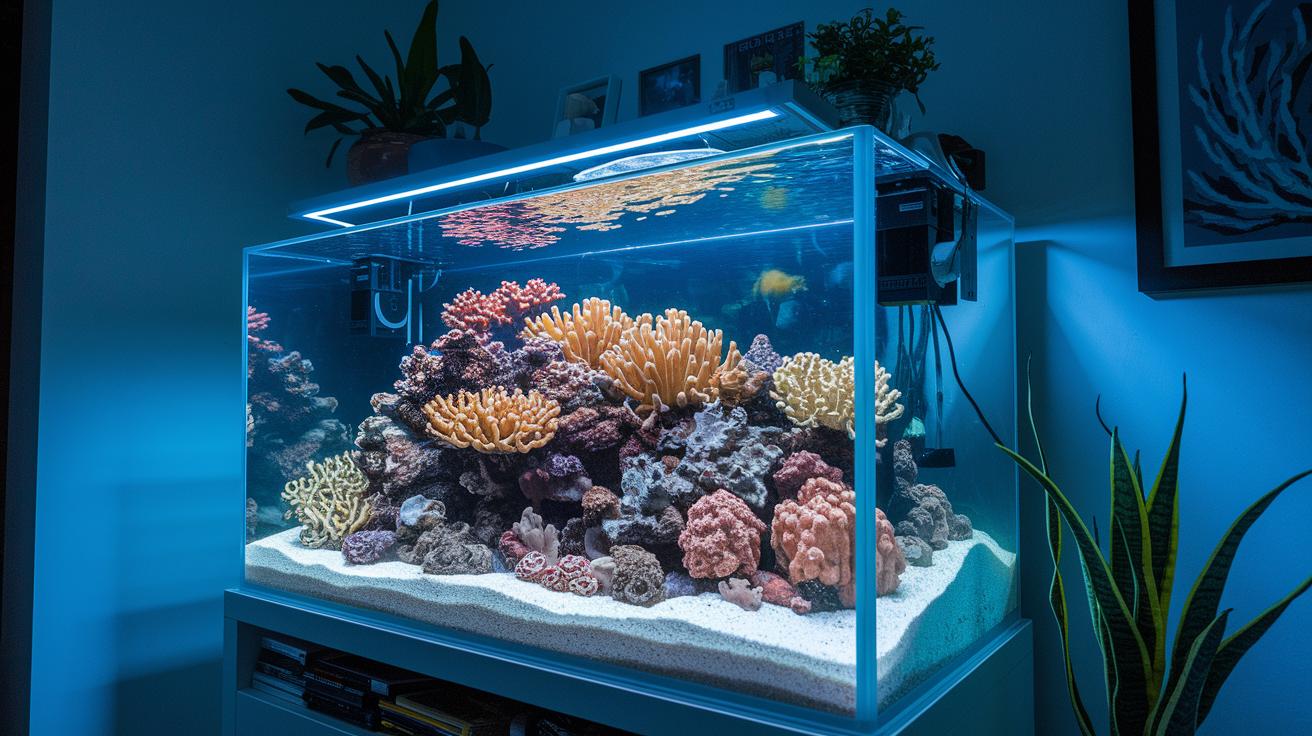
Switch to a smart LED system that uses just 80 watts, yet shines as brightly as those old, clunky halogen bulbs. Imagine swapping out an energy-guzzling light for a sleek LED that not only brightens your tank but also saves you around $125 compared to similar setups. It’s like ditching a heavy backpack for a light one, making everything feel so much easier.
These clever, energy-saving LEDs use less power while still giving you a brilliant light show for your aquatic world. With lower wattage, your monthly electricity bill drops significantly, by more than 80% compared to the old systems. In fact, you might even recover your investment in just one season of use, making it a smart and cost-effective choice for any fellow fish lover.
When picking out a new light, look for extra features like a built-in cooling system that gently circulates air, or extendable cords that add convenience. Check for clear power consumption details so you know you’re getting an efficient option that works well and pays off quickly. A thoughtful investment in energy-efficient underwater LEDs not only keeps your aquarium radiant but also lightens your monthly expenses, leaving you more time to enjoy the calming beauty of your underwater haven.
Innovations in Underwater Lighting for Aquarium Aesthetics
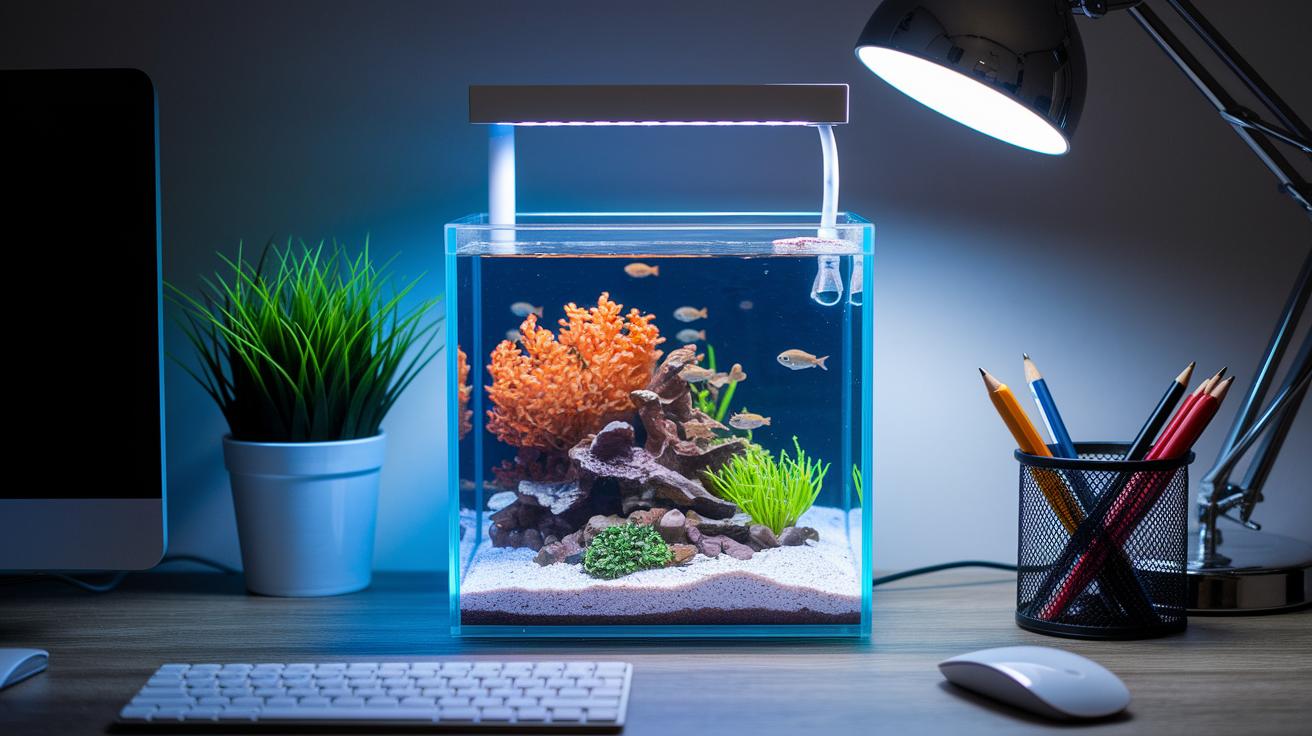
Today's underwater lighting is giving aquarium tanks a fresh, exciting look. The latest lights are smart and come with digital controllers so you can change their glow with preset color patterns, just a tap does the trick! And if you enjoy using your smartphone, you can set a schedule or even sync the lights with music. This cool remote control turns your tank into a lively, colorful display.
Imagine watching your tank shift slowly from a deep ocean blue at dusk to a bright sunrise orange in the morning. Some models even let you pick from six different modes using an easy app, so you can choose a soft, pulsing glow or faster, more energetic flashes. They work automatically too, letting your aquarium change moods throughout the day without any extra fuss.
It feels almost magical, like your aquarium is alive! Ever notice how far we've come since the first tanks? Back then, no one thought a remote could create such mesmerizing light shows with just a few taps. Now, these smart lighting systems turn your aquarium into a beautiful, living canvas.
Algae Prevention Light Strategies in Aquariums

Using the right underwater lighting can really change how you manage algae in your tank. Some LED lights cut down on the green wavelengths that algae love, which means they help keep algae growth in check. Instead of using full-spectrum lights, try choosing ones that favor red and blue. Not only do they create a warm and calming glow, but they also leave less energy for algae to feed on.
Setting your lights on an 8–10 hour daily cycle with timers is another smart trick. Think about it like this: you can mimic a gentle sunrise and sunset, so your plants and fish get just the right amount of light without pushing algae to bloom. It’s a natural, balanced way to let your tank thrive.
Fixtures that spread light evenly across the aquarium are a big plus too. They help avoid bright spots that might become algae hotspots. You might also add dimming features so you can adjust the brightness as the day goes by, tailoring the light to your aquarium's needs.
- Choose lights that limit green wavelengths
- Use timers to keep a steady 8–10 hour light cycle
- Opt for fixtures with even light diffusion to prevent bright spots
Final Words
In the action, the guide walked through choosing and comparing different LED systems, explaining full-spectrum benefits for plant growth, and showing easy installation steps. It touched on daily upkeep and even shared smart tips for energy savings and algae control. Lessons ranged from practical setup hints to boosting your tank’s visual allure. With a warm core of expert guidance, every fish owner can enjoy the vibrant glow of underwater lighting for aquarium while celebrating a healthier aquatic world.
FAQ
Where can you find wireless underwater aquarium lighting, including options available nearby or on Amazon?
The wireless underwater lighting for aquariums offers a cable-free setup that you can shop for at local pet stores or online sites like Amazon, providing versatile and bright submersible LED systems.
What is the best underwater lighting option for aquariums, including those suited for plant growth?
The best underwater lighting for aquariums features full-spectrum LEDs with multiple color modes and energy-efficient design, enhancing both plant growth and visual appeal in your tank.
What is the best lighting for a marine aquarium?
The best lighting for a marine aquarium uses full-spectrum LEDs with cooling features that mimic natural light, supporting vibrant coral and healthy fish in a balanced underwater environment.
Can aquarium lights be submerged in water?
The question about submerging aquarium lights is answered by using submersible models, which are built with sealed, water-resistant components for safe and efficient underwater operation.
Do fish prefer blue or white light?
The preference for light in fish depends on species, but blue light often enhances natural behaviors while white light provides even illumination, creating a healthy and appealing tank environment.
How many watts of LED lighting do I need for a reef tank?
The wattage for a reef tank relies on tank size and light efficiency, with many setups around 80 watts delivering bright output and maintaining vibrant coral growth while cutting energy costs.