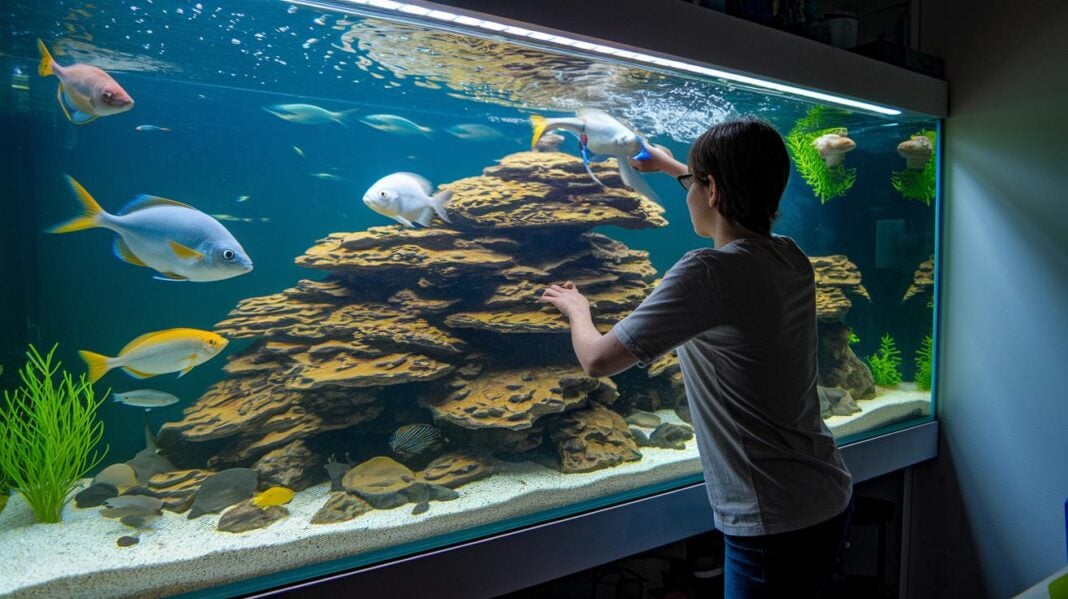

Have you ever noticed streaks on your aquarium glass and wondered if they might be bothering your fish? A crystal-clear view can feel as calm as a quiet lake, making your tank look fantastic while keeping your finned friends happy and healthy.
In this guide, we share easy steps to clear away water spots, stubborn algae, and even fingerprints during water changes, sort of like gently wiping droplets off a smooth stone. We use everyday tools and techniques that anyone can follow, just as simple as setting up your favorite aquarium decoration.
Stick around and see how these little tweaks can transform your tank into a sparkling window into your underwater world. Isn't it amazing how a clear view can soothe both you and your fish?
Essential Cleaning Workflow for Aquarium Glass During Water Changes
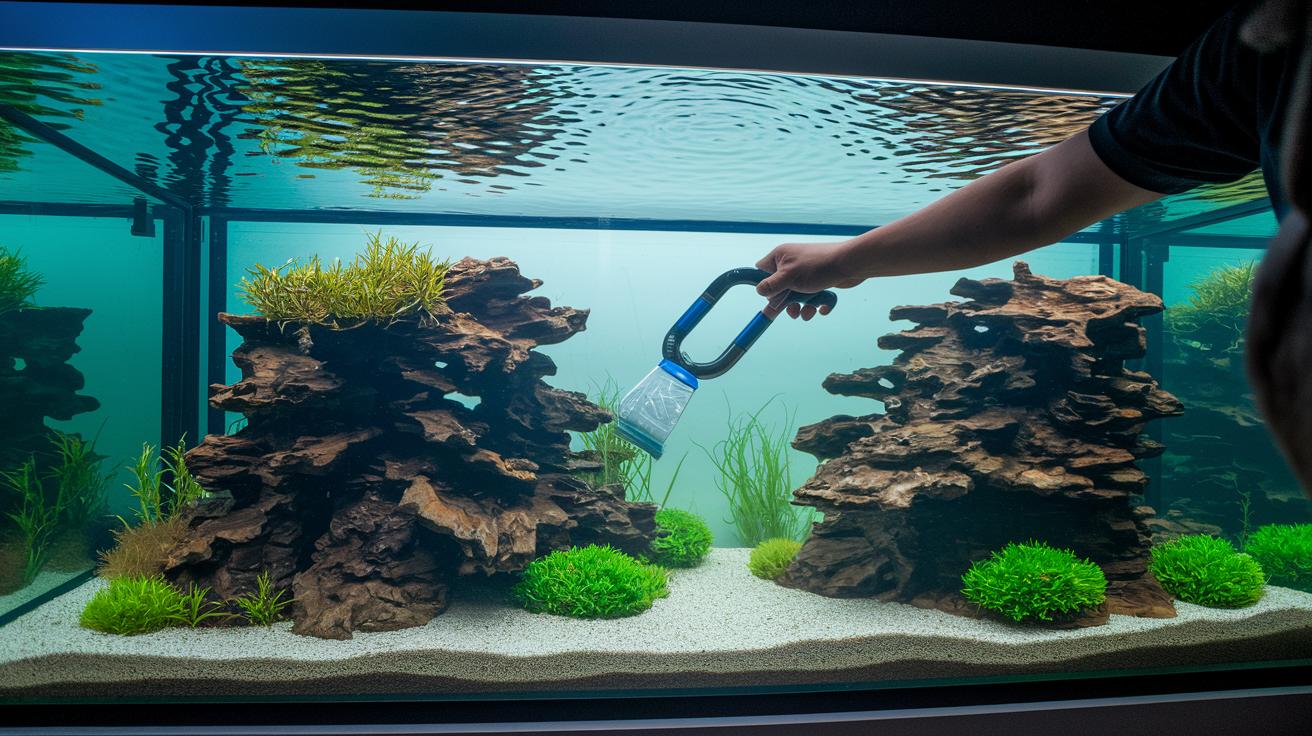
It’s amazing how a clean tank lets you enjoy every vibrant detail of your underwater world. Keeping the glass spotless not only makes your aquarium look stunning but also sets up a healthy home for your finned friends. You can think of it like a gentle swim, using tools like magnetic cleaners for inside scrubbing and a soft mix of one part vinegar to ten parts water with a microfiber cloth for the outer glass. This regular care helps keep algae at bay, wipes off fingerprints, and gets rid of stubborn water spots.
Before you get started, drain a bit of the water to cut down on spills. It’s a handy trick that keeps the cleaning neat and safe. And when you clean the outside, stick to non-toxic solutions so no harsh chemicals sneak into your tank. A final rinse ensures no cleaning residue lingers that could disturb the water chemistry when you refill your tank.
Here’s a simple, step-by-step guide for cleaning your aquarium glass during water changes:
- Drain enough water from the tank to reduce any messy splashes.
- Use a magnetic cleaner or a soft algae scraper to gently clean the inside glass, especially where algae gathers.
- Rinse the inside glass with clean, dechlorinated water to wash away any loosened debris.
- Mix one part vinegar with ten parts water and use a microfiber cloth to apply it on the exterior glass for a true, streak-free shine.
- Wipe down the outside surfaces thoroughly to clear away fingerprints and water spots.
- Refill your tank with fresh, conditioned water and check all the glass to ensure it’s sparkling before returning your fish to their home.
By following these easy steps during water changes, you keep your aquarium looking as clear as a peaceful pond and support a balanced, healthy habitat for your aquatic mates.
Choosing the Right Scrubbing Tools for Aquarium Glass Cleaning
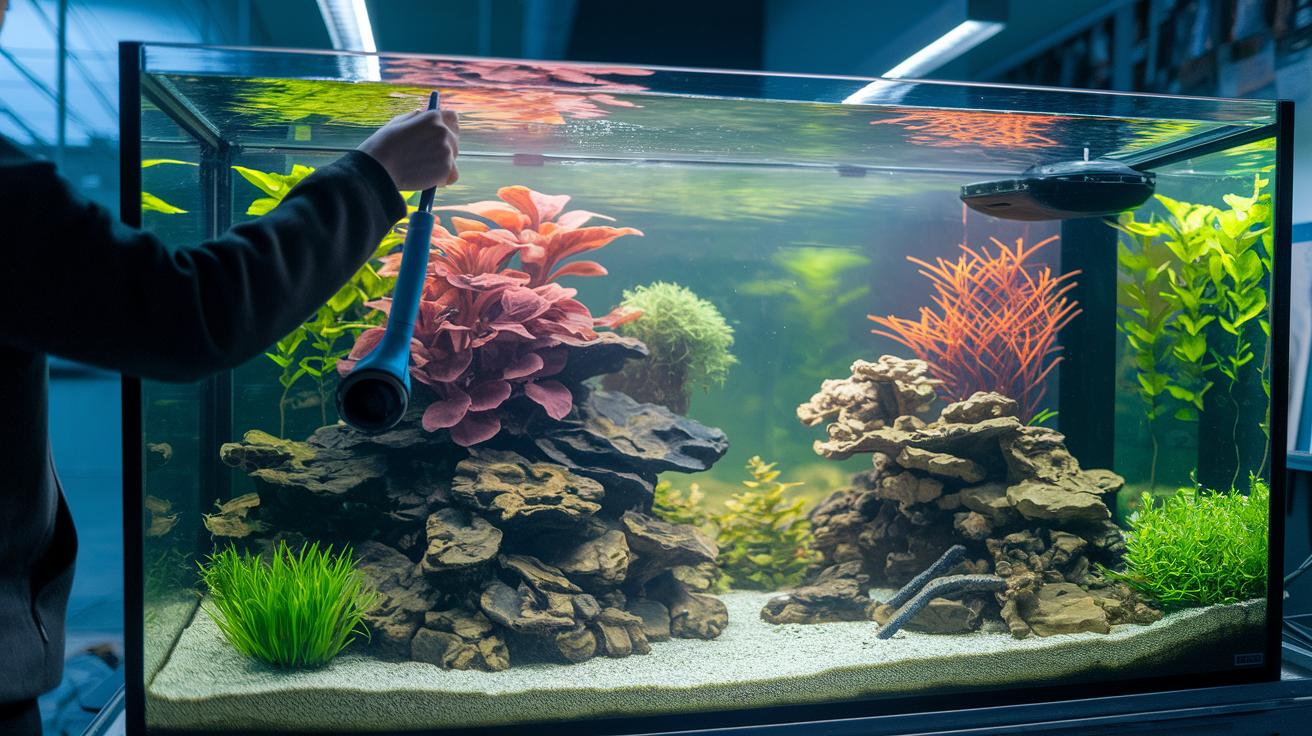
When it’s time to give your aquarium glass a good clean, choosing the proper tool really makes a splash. Using the right scrubber not only keeps your glass clear but also helps wash away algae, fingerprints, and little deposits that can cloud your underwater view. Many aquarium fans love magnetic cleaners since they let you clean the inside of your tank without ever dunking your hand in the water. And if algae have taken root stubbornly, you might have to call on an algae scraper or even a razor blade, but be gentle to avoid leaving scratches on your glass. For those pesky hard-water stains, a magic eraser works kindly to erase mineral buildup.
If you’re caring for an acrylic tank, stick with a soft, non-abrasive sponge or cloth to keep that delicate surface safe. What works wonders on glass might be too harsh for acrylic, so it’s always smart to try a small patch first and see how it holds up.
| Tool | Best For | Pros | Cons |
|---|---|---|---|
| Magnetic Cleaner | Inside glass cleaning | Hands-free, safe | Less effective on heavy deposits |
| Algae Scraper | Stubborn algae | Effective on tough spots | Risk of scratches if too much pressure is applied |
| Magic Eraser | Mineral buildup | Gently removes stains | Requires extra caution on delicate surfaces |
| Razor Blade | Heavy deposits on glass | Precise, controlled scraping | High chance of scratching if misused |
Safe Glass Cleaning Agents and Non-Toxic Solutions
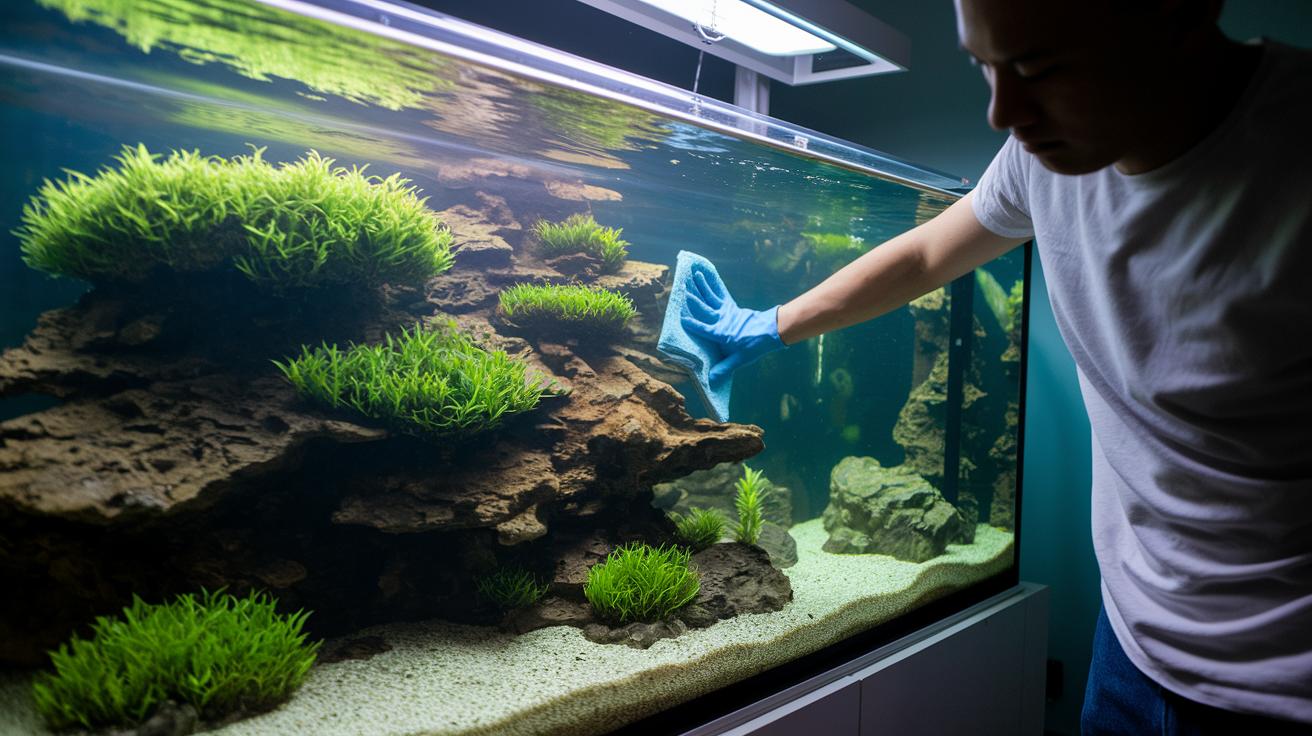
For a detailed guide on cleaning, make sure to follow your usual cleaning workflow. When it's time to wipe down your tank, mix one part vinegar with ten parts water, this gentle cleaning solution is safe for your fish and kind to the environment. Then, use a soft microfiber cloth to polish the glass without scratching it.
If you're interested in even more earth-friendly options, try using aquarium-safe glass cleaners made with natural ingredients. These products help keep both your fish and the water clean.
Side tip: For extra ideas on keeping your tank sparkling the natural way, head over to our eco-friendly fish tank care page at https://sweetfysh.com?p=3401.
Fun fact: Mark once switched to a natural cleaning mix before tending to his fish, and he was amazed to see his tank shine as brightly as fresh spring water!
Preventing and Managing Algae Buildup on Aquarium Glass
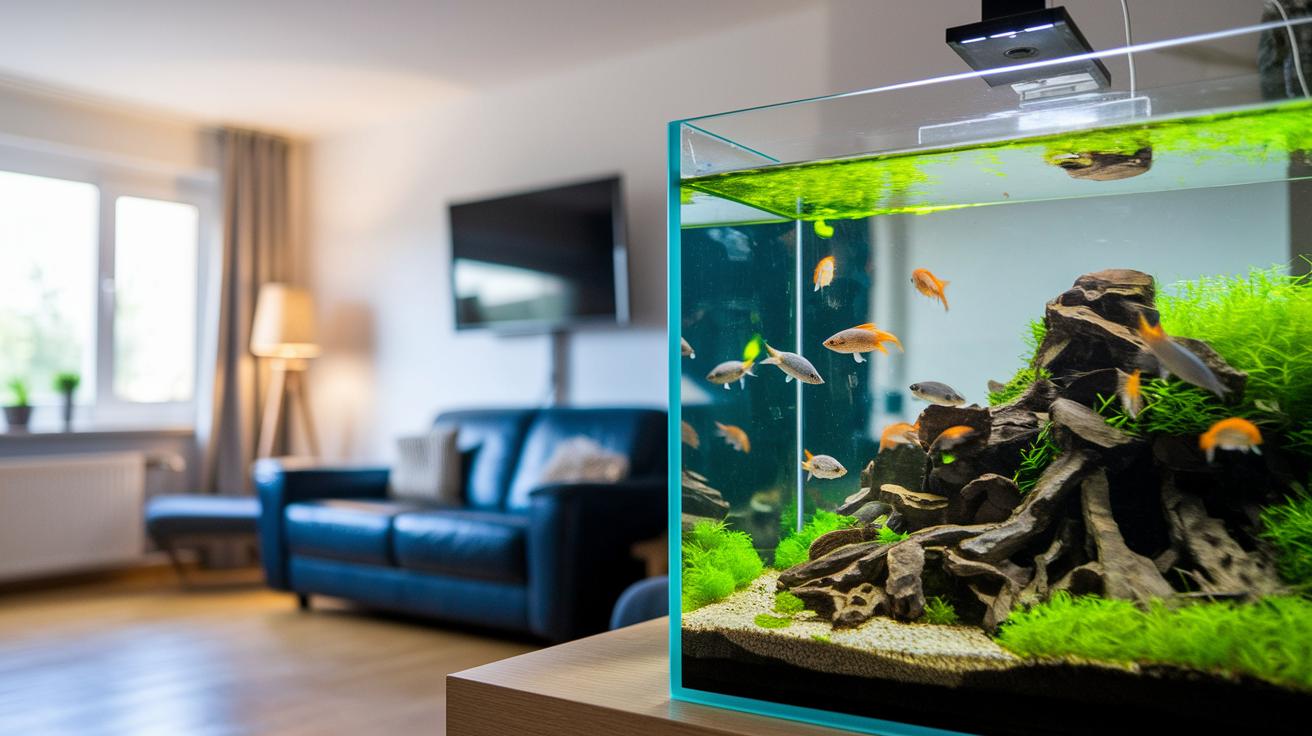
Algae can sneak onto your tank’s glass when the light is too strong, when there are extra nutrients floating around, or when the water isn’t moving enough, each like a little ripple upsetting your peaceful underwater view. A small change in how long you keep the lights on or how often you feed your fish can really clear things up. When algae start spreading, they tend to hide the beauty of your fish and plants, making the tank look murky. Trying out natural fixes instead of heavy scrubbing keeps your friends safe and your aquarium looking like a calm pond.
A steady routine of water changes is like a refreshing dip on a sunny day, it helps wash away extra nutrients and stops algae from taking over. You can also set up your tank to naturally put algae in check by balancing the lights, food, and even adding some friendly tankmates that love munching on algae.
Here are five simple tips to keep algae at bay:
- Keep the light on for a shorter time so it doesn’t give algae too much energy.
- Feed your fish just enough to avoid extra nutrients in the water.
- Add live plants that soak up extra nutrients like a sponge.
- Invite algae-eating fish or snails to help nibble away unwanted growth.
- Use CO₂ injection in planted tanks to give your plants a boost so they outgrow the algae.
Regular water refreshes not only clear out debris but also help steady the nutrients in your tank. It’s a simple routine that keeps your underwater world clear and inviting.
Cleaning Acrylic vs Glass Aquarium Panels Without Scratches
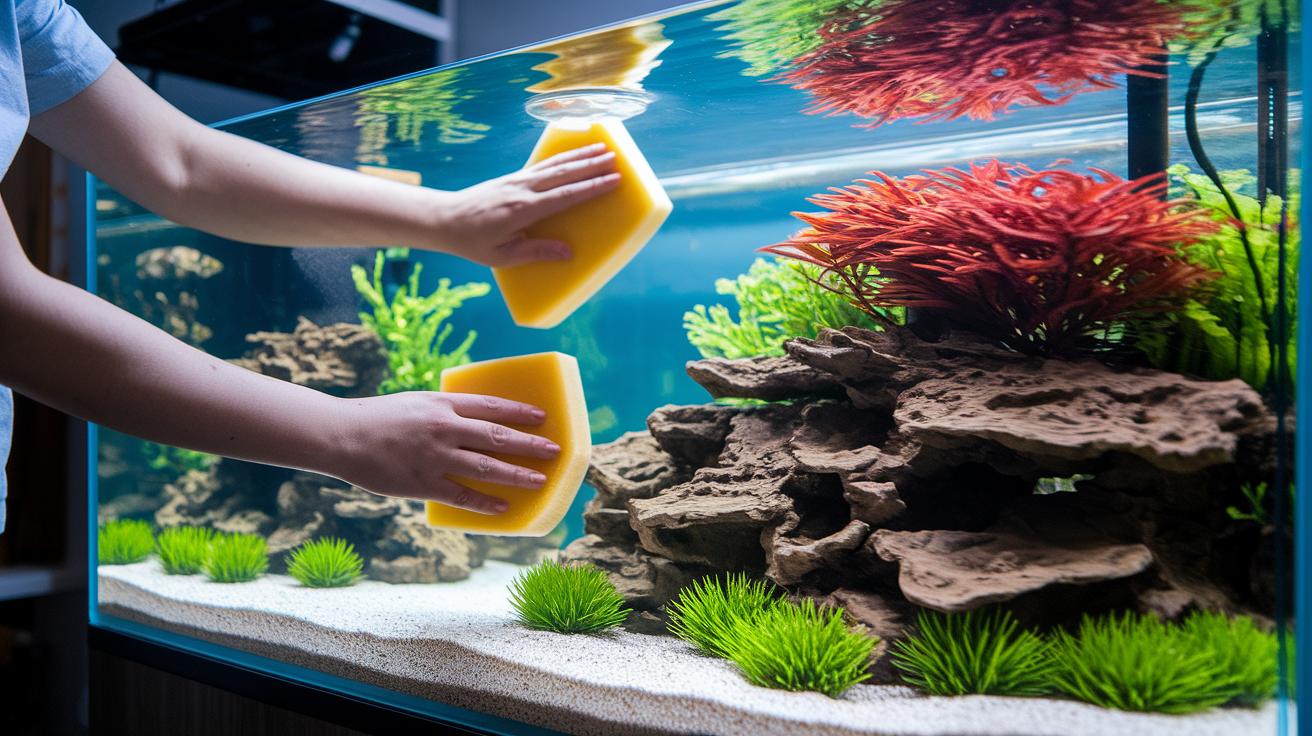
A pristine view of your underwater world starts with clean, scratch-free panels. When you're cleaning your aquarium, the approach is a bit different for acrylic versus glass. Acrylic feels more delicate, so it’s best to handle it gently, just like you would a rare seashell. Stick to soft, non-abrasive sponges or cloths. Don’t risk using firm scrapers or even razor blades on acrylic because they can leave tiny scratches that dull its beauty over time.
Glass panels, on the other hand, are tougher and can take a bit more pressure. Still, it's smart to use firm tools at a low angle. This way, you help safeguard the sealants that hold your tank together while still getting it sparkling clean. And here’s a tip every time: give your cleaning tools a good rinse before you start. This little step washes away any unwanted grit that might scratch either surface.
| Aquarium Material | Cleaning Tip |
|---|---|
| Acrylic | Use soft, gentle sponges or cloths and avoid harsh tools like scrapers and blades. |
| Glass | Use firmer cleaning tools at a low angle to protect the tank sealants. |
| Both | Always rinse your tools to keep debris from causing scratches. |
By choosing the right method for your tank, you'll ensure a clear, captivating view of your underwater friends every time you clean. Happy cleaning, and enjoy that gentle water ripple as your aquatic world shines!
Scheduling Routine Water Changes and Glass Maintenance for Clarity Preservation
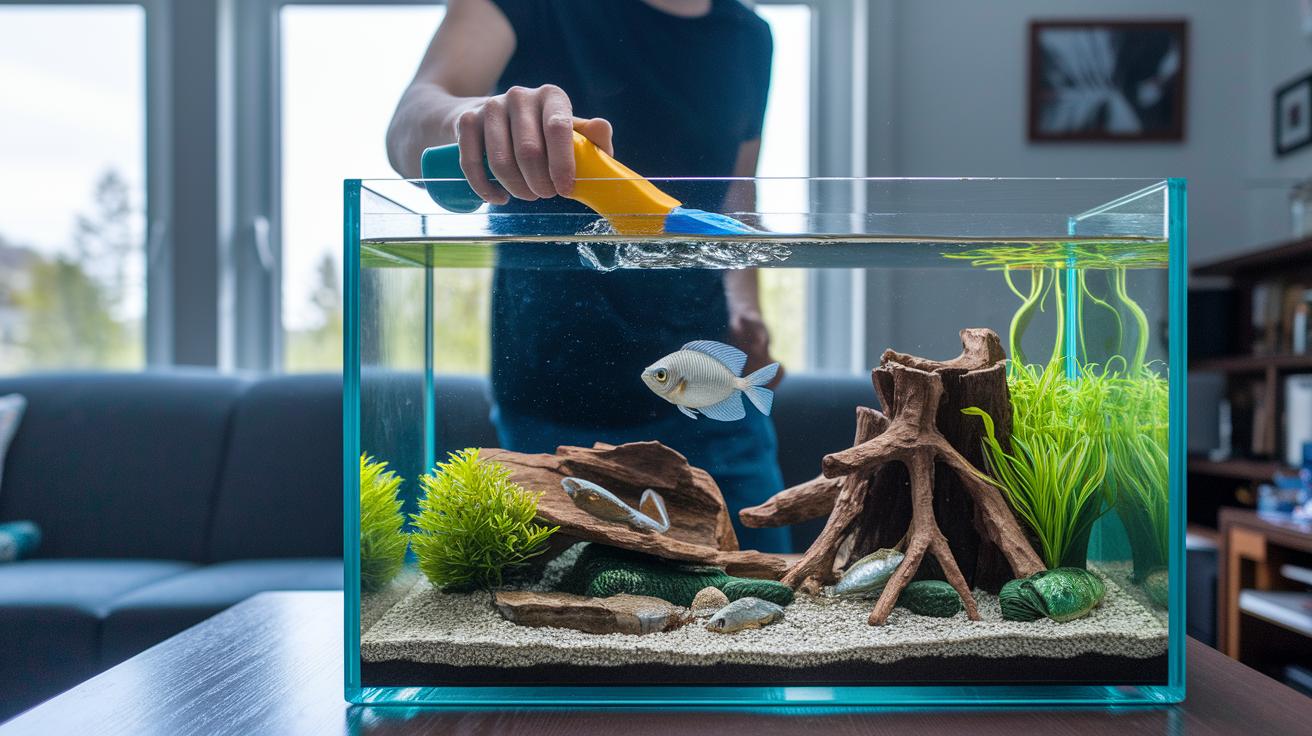
When you set up your aquarium, keeping it clear and sparkling is like giving it a peaceful, flowing river feel. Regular water changes help get rid of extra nutrients that feed pesky algae, making your cleaning efforts extra rewarding. It’s a bit like keeping your favorite bowl of water fresh for your fish buddies.
A good plan is to change about 10–20% of your tank’s water each week. Pair that with a quick wipe-down of the glass, and you'll keep the view as clear as a mountain stream. And if you see a stubborn layer building up, a more thorough clean once a month will keep things in tip-top shape.
It really helps to have a checklist to keep your routine smooth. Get your tools prepped, test the water to ensure it’s just right, and give the glass a good rinse after cleaning. This way, your tank stays clear and your fish enjoy a balanced, oxygen-rich home.
| Step | Description |
|---|---|
| 1 | Make sure all cleaning tools are clean and ready |
| 2 | Test water chemistry to keep levels balanced |
| 3 | Rinse the glass to wash away any cleaning residues |
Each little step is like a ripple that keeps your underwater world healthy and serene. Ever notice how calm the fish look when everything’s tidy? For more friendly advice on keeping your tank pristine, visit https://sweetfysh.com?p=3451.
Tackling Stubborn Deposits and Mineral Buildup on Aquarium Glass

Start with a look at the Essential Cleaning Workflow and the Choosing the Right Scrubbing Tools sections for a smooth cleaning process. If you need a little extra guidance, try this: when using a shallow-angle razor blade, hold it at about 30° to the glass so you won’t scratch it.
If your glass still needs extra love, follow these three easy steps:
- Let tough deposits soak in a 10% vinegar mix to help break down the mineral buildup.
- Carefully use a magic eraser or that shallow-angle razor blade (again, keep it near 30°) to lift away the loosened deposits.
- Finally, rinse the glass well with fresh water to wash off any leftover cleaning solution.
Final Words
In the action, we covered a clear cleaning workflow. We talked about draining, scrubbing, rinsing, and refilling while using the right tools to keep your aquarium crystal clear. We also shared non-toxic cleaning solutions and methods for preventing algae buildup.
All these tips aim to help you simplify the cleaning process and follow the best practices for cleaning aquarium glass during water changes. Enjoy the calm and beauty of a well-maintained tank, and let your underwater world flourish!
FAQ
How to clean aquarium glass white residue?
Cleaning aquarium glass white residue involves using a fish-safe cleaning tool that gently scrubs away buildup. A magnetic cleaner or soft algae scraper works well to clear white spots without harming your fish.
How to clean a fish tank glass with fish present safely without removing water?
Cleaning fish tank glass with fish inside is done by using submersible tools like magnetic cleaners. These allow you to scrub the glass underwater, keeping the habitat safe and undisturbed.
How to clean aquarium glass with vinegar or use an aquarium glass cleaner liquid/spray?
Using a diluted vinegar solution—a 1:10 mix with water—is effective for cleaning aquarium glass. Paired with a microfiber cloth or cleaner spray, it removes spotting and buildup without scratching the glass.
How to clean fish tank glass algae and stubborn deposits?
Removing algae and stubborn deposits from fish tank glass requires specialized scrubbing tools such as algae scrapers or magic erasers. These tools help tackle buildup while keeping the glass clear and safe for fish.
What is the best way to clean the aquarium and change the water?
The best method includes a step-by-step process: partially drain the tank, scrub the glass surfaces with appropriate tools, rinse thoroughly, and refill slowly. This routine ensures a clear, healthy aquarium environment.
How to keep aquarium glass crystal clear without causing scratches?
Keeping aquarium glass crystal clear means using gentle, non-abrasive cleaning methods. Regular water changes with careful scrubbing using soft tools prevent fingerprints, algae buildup, and scratches over time.