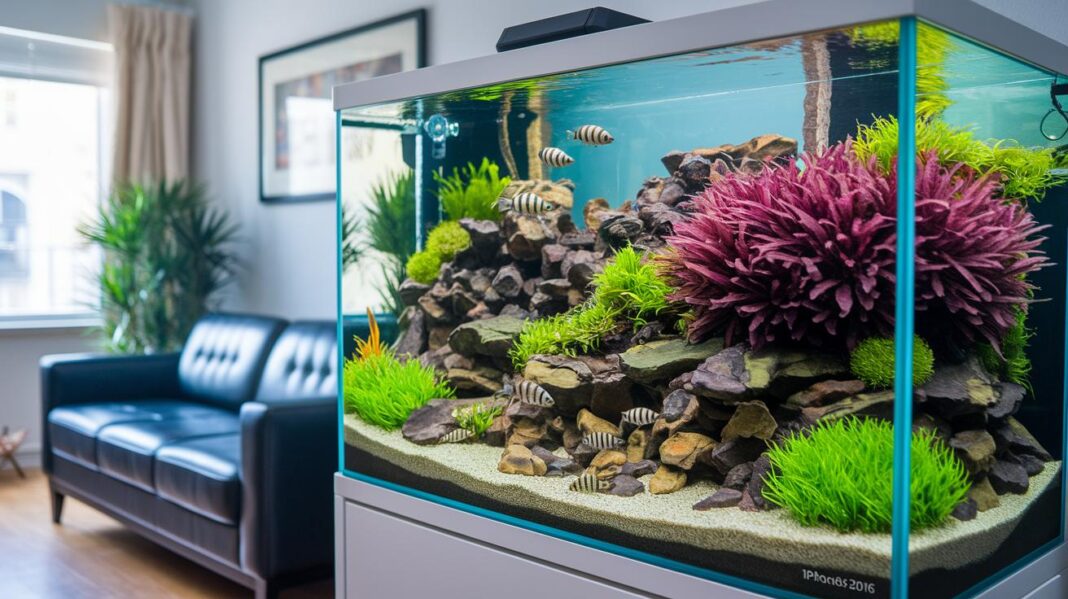

Have you ever thought your tank could be more than just a box of water? Imagine it as a mini underwater garden where every plant and fish works together to keep your water clean and calm. In this guide, you'll see how easy steps and natural tricks make your tank a self-running, plant-filled haven. Our advice shows that a green tank not only looks beautiful but also gives your fish a healthy home. Get ready to turn your aquarium into a lively and peaceful space that takes care of itself.
Core Steps for a Plant-Based Aquarium Ecosystem Setup
Imagine your tank as a little underwater garden, where every detail helps create a peaceful, thriving world for plants and aquatic life. Each step in setting up your ecosystem plays its part in making a natural, self-sustaining environment.
-
Substrate Layering
Begin by sprinkling a nutrient-rich substrate like UNS Controsoil to a depth of 1.5 to 2 inches. Just like laying a solid foundation for your home, this layer gives plant roots a cozy place to grow. -
Water Cycling
Next, let your tank rest for several weeks. This pause helps friendly bacteria bloom, turning your water safe for fish and plants – much like waiting for a cup of tea to steep so you can enjoy its full flavor. -
Establishing Deep Sand Beds
Add a deep bed of sand to support bacteria that quietly break down nitrates into harmless nitrogen gas. Over time, this gentle process cleans and relaxes your water, similar to nature slowly polishing a smooth stone. -
Planting
Fill your tank with fast-growing stem and floating plants. These natural helpers sip up extra ammonia and nitrates, keeping the water balanced, just as diligent little helpers tidy up after a busy day. -
Lighting Installation
Set up special LED lights to shine for about 6 to 8 hours each day. That soft, consistent glow is like a gentle sunrise, giving plants the energy they need to perform photosynthesis, or in other words, make their own food. -
Livestock Introduction
Finally, introduce a few fish or shrimp to your setup. Starting with a small number helps maintain low nitrate levels without overwhelming the peaceful balance you’ve built.
Every phase in this process is a step toward a vibrant and harmonious underwater garden. Enjoy watching your ecosystem grow and flourish, where plants purify the water and aquatic life thrives with ease.
Plant Selection for Your Plant-Based Aquarium Ecosystem
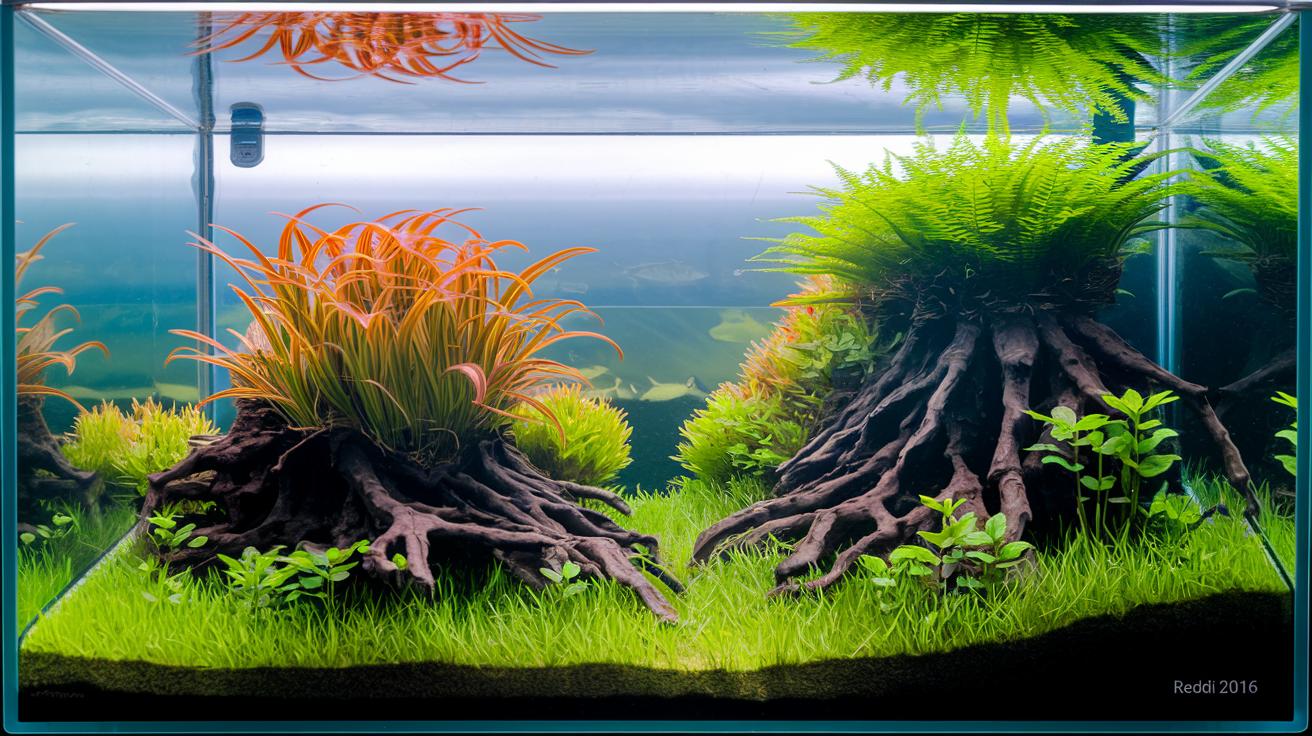
Picking the right plants sets the stage for a lively underwater world. Fast-growing stem and floating plants work like nature's filters, soaking up toxins to keep your water clean for your fish and friends. Stem plants reach upward to catch sunlight while floating ones gently drift on the surface, balancing nutrients and pleasing your eyes. This mix mirrors what happens in nature, helping create a balanced, sustainable home for your aquatic buddies.
If you're new to the hobby, species like Anubias, Java Fern, and Cryptocoryne are perfect starters. These hardy plants need little light and care, yet they lend a rich, green vibe to your tank. Plus, shrimp-safe varieties such as Hornwort and Marimo Moss Balls give your little swimmers safe places to graze. For more care tips and extra choices, check out aquarium plant supplies for detailed guidance to keep your underwater garden thriving.
Substrate Optimization and Nutrient Management in Plant-Based Ecosystems
A flourishing underwater garden starts with the right foundation and a smart nutrient plan. Using UNS Controsoil with a 1.5 to 2 inch layer gives plant roots a cozy spot where they can grow strong while slowly releasing vital nutrients. Adding a layer of inert sand on top helps keep everything in place, and deep sand beds create a special zone where friendly bacteria quietly change extra nitrates into harmless nitrogen gas.
| Option | Benefits |
|---|---|
| UNS Controsoil (1.5–2 inches) | Gives your plants essential nutrients and encourages strong root growth |
| Inert Sand Cap | Keeps the substrate stable and stops nutrients from washing away |
| Deep Sand Beds | Allows bacteria to turn excess nitrates into safe nitrogen gas |
Fertilizer dosing is super important for keeping your plants healthy. Liquid fertilizers like UNS Plant Food All in One deliver both big nutrients and the tiny ones that matter. It’s best to add these during the light hours when plants are busy soaking up energy. You might need to adjust the schedule based on how your tank looks and grows. A regular routine helps keep the nutrient mix just right and your underwater garden vibrant and thriving.
- Check your water often to see how the nutrient levels are doing and tweak doses if needed.
- Add liquid fertilizers slowly during the daily light period.
- Watch your plants’ growth and color to catch any signs of imbalance early.
- Keep your filters clean to help spread the nutrients evenly throughout your tank.
Lighting Solutions and CO2 Enrichment in Plant-Based Aquarium Ecosystems
LED Lighting Options
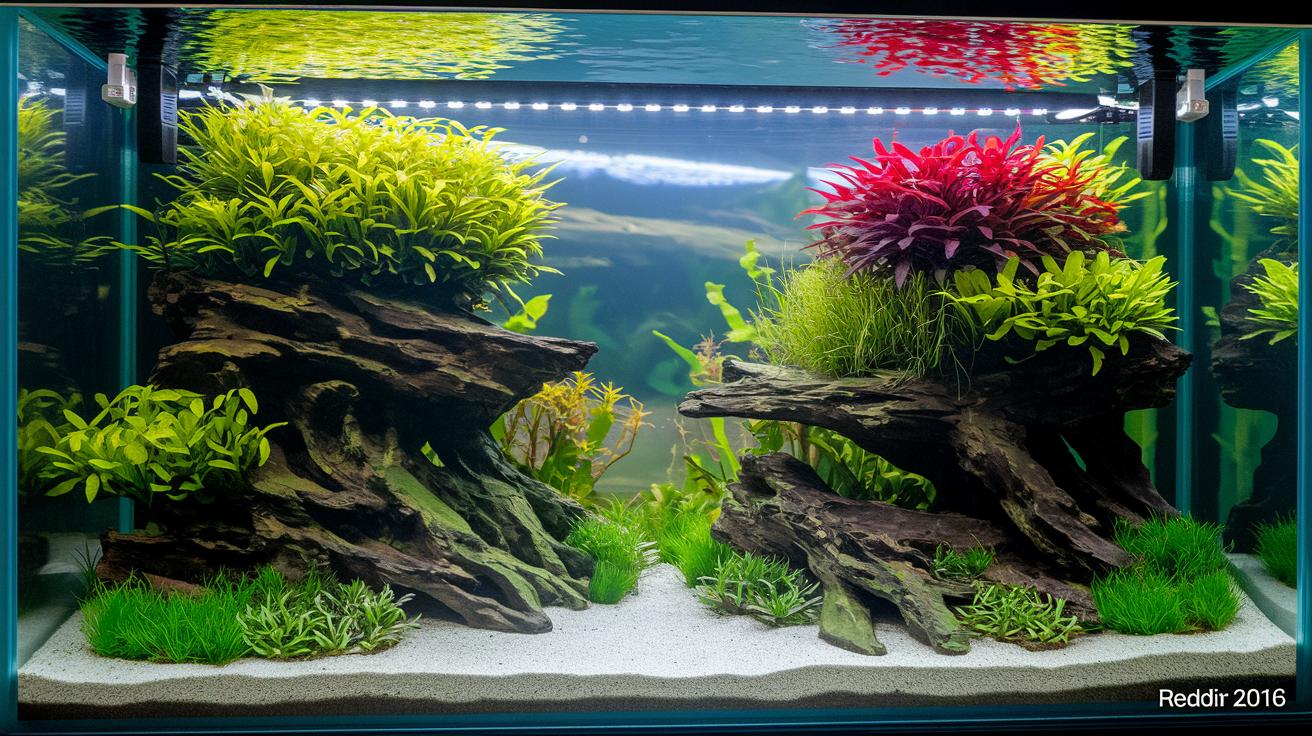
Specialized LED systems running for about 6–8 hours a day give your plants the perfect light they need to photosynthesize. These energy-saving lights are designed to make your underwater garden shimmer. You can easily adjust their brightness so that whether your tank needs a gentle glow or a brighter beam, every plant gets its share of sunshine. Imagine setting up your lights like you’d adjust the rays of a morning sun, gently waking each leaf, pretty cool, right? Knowing the right light can turn a dull aquarium into a vibrant underwater retreat might just surprise you.
CO2 Injection Methods
Adding CO2 to your tank is another key piece in helping your plants grow strong and healthy. Pressurized CO2 systems work well in tanks with many fish and plants, giving them a steady stream of carbon dioxide, think of it as feeding your plants a dose of natural energy. On a tighter budget? DIY yeast-based CO2 setups can be a smart, low-cost option, even though they sometimes aren’t as steady on the job. And for those looking for less fuss, liquid carbon solutions offer a simple way to provide a calm, constant flow of CO2 without too much extra equipment. Mixing these CO2 methods with the perfect light lets your aquatic garden truly come alive, helping each plant absorb the CO2 and convert it into the energy they need to thrive.
Freshwater Plant Maintenance and Filtration Strategies for Plant-Based Tanks
Water changes are like a gentle tide that keeps your tank’s water clear and safe. In a basic, low-tech setup, doing a 25% water change every week helps wash away extra nutrients. This steady, refreshing process works much like a quiet stream that keeps everything balanced.
Keeping your plants trimmed is just as important. Every 2 to 4 weeks, give your plants a little snip to stop them from crowding one another and blocking out light. When you trim regularly, it's like giving each plant a chance to bask in the sunshine, encouraging new, healthy growth.
Choosing the right filter can really make a difference. I suggest using a sponge filter or a canister filter because they move water gently without disturbing your delicate plants. These filters work like a kind helper that not only clears away unwanted particles but also supports the good bacteria that keep your tank in tip-top shape.
Lastly, regular testing and cleaning are key. Check your tank’s ammonia, nitrite, and nitrate levels with a simple water testing kit so you can catch any imbalances early. And remember to remove any decaying bits quickly to prevent algae from taking hold. This ongoing care is like nurturing a little underwater garden where both plants and fish can thrive.
Balancing, Troubleshooting, and Sustainable Tips in a Plant-Based Aquarium Ecosystem
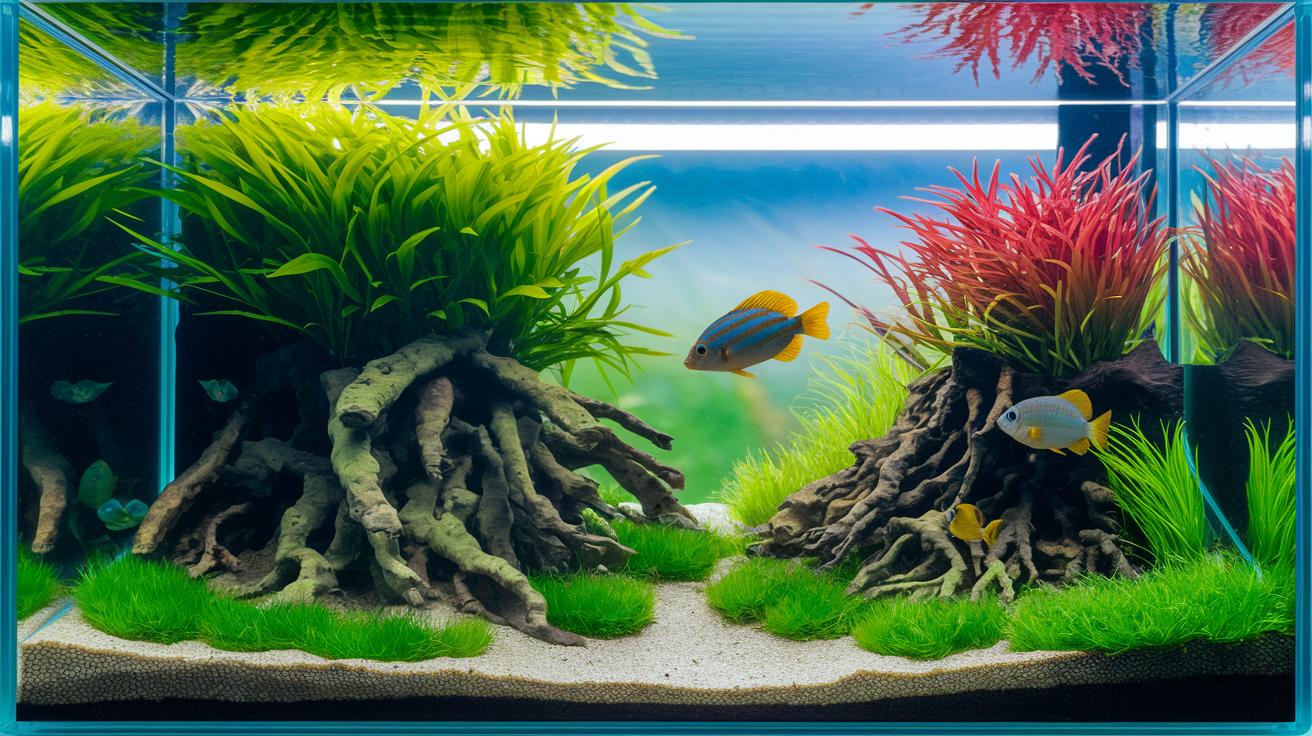
When you're looking after a plant-based aquarium, keeping your underwater garden balanced is key to happy fish and healthy plants. Sometimes, signs like extra algae, cloudy water, or stressed greenery pop up, little hints that your setup might need some adjustment.
If you see a burst of algae, it could mean your light or fertilizer levels are a bit off. Maybe try shortening the light period or easing off on the fertilizer to help your plants settle back into a calm rhythm. And if plants start showing yellow leaves, they might be low on vital nutrients like iron or potassium. A small tweak to your dosing routine can often bring back that vibrant green.
One neat trick is pairing fast-growing plants with friendly, algae-eating fish like Otocinclus. It’s a natural way to keep algae in check while giving your plants room to thrive. Plus, opting for reusable filter media instead of harsh chemicals keeps your setup eco-friendly and gentle on the environment.
Think of designing your tank like recreating a mini river or pond. Not only does this make your aquarium look stunning, but it also builds a sturdy ecosystem that handles shifts in nutrients much better. The secret to long-term success is a little bit of regular monitoring and some gentle, natural tweaks. With steady care and a bit of attention, your aquatic garden can remain balanced and flourishing, turning your tank into a living, breathing work of art.
Final Words
In the action, we walked through essential steps like substrate layering, water cycling, proper lighting, and selecting the perfect aquatic plants. We touched on plant maintenance, troubleshooting, and balancing techniques to create a clean, vibrant underwater haven.
This plant-based aquarium ecosystem guide offers practical tips that help you design a self-sustaining, healthy tank. Enjoy the process, and may your aquatic space flourish with life and color!
FAQ
What is a plant-based aquarium ecosystem guide for beginners?
The plant-based aquarium ecosystem guide for beginners explains how to build a natural tank with live plants, nutrient-rich substrate, proper lighting, and balanced water conditions for a thriving aquatic environment.
How do you set up a self-sustaining fish tank ecosystem?
The self-sustaining fish tank ecosystem setup includes layering nutrient-rich substrate, allowing water to cycle, introducing fast-growing plants, using proper lighting, and starting with a few fish to maintain low nitrate levels.
What are the best plant choices for a self-sustaining aquarium ecosystem?
The best plant choices for a self-sustaining aquarium ecosystem include hardy species like Anubias, Java Fern, Cryptocoryne, and shrimp-safe options like Hornwort, as they absorb toxins and balance nutrients.
Where can I find a free plant-based aquarium ecosystem guide?
The free plant-based aquarium ecosystem guide is available online and offers step-by-step instructions for setting up your tank, optimizing substrate, managing nutrients, and selecting plants suitable for a natural look.
What is an aquarium ecosystem diagram and how can it help?
The aquarium ecosystem diagram visually represents the tank setup, showing substrate layers, plant placements, and filter locations to help you plan a balanced, natural aquatic home.
What does an aquarium ecosystem project entail?
The aquarium ecosystem project involves designing a natural tank by carefully planning substrate, plant selection, lighting, and maintenance routines to create a balanced, self-supporting aquatic environment.