

Have you ever thought about creating your own little underwater world right at home? With a bit of planning, a freshwater tank can turn into a bright oasis where every detail sparkles like sunlight on water.
Imagine it like setting up a living art piece just for your fish, a space that's both calm and full of life. Our guide walks you through simple steps, so getting your tank ready feels as delightful as watching a gentle ripple drift across a quiet pond.
Comprehensive Step-by-Step Freshwater Fish Tank Setup Guide
When starting your tank, pick a 20-gallon setup. It’s like choosing a big bowl for your favorite cereal, more space means steadier water and less fuss day-to-day.
Next, collect all your gear: the tank, filter, substrate, rocks or driftwood for decoration, water conditioner, plus any heater or test kits you might need. Get everything out on the table first, just like you’d lay out your art supplies before you start painting.
Then, find a cozy spot for your tank that isn’t in direct sunlight and away from strong breezes or loud disturbances. Set it on a flat, sturdy surface, think of it as choosing a quiet corner to read a good book, safe and calm enough to support your aquatic friends.
Before adding any water, give the tank and the substrate a good rinse with warm water. Skip the soap; you want a clean tank, not a soapy taste in the water, similar to washing your favorite glass without changing its flavor. Follow the instructions carefully when putting in your filter to make sure it’s snug and secure.
Fill the tank slowly by pouring water over a plate or saucer. This simple trick helps protect the substrate from getting disturbed. Once it’s full, add your water conditioner to wash away chemicals that might harm your fish. Then start the cycling process by adding a little ammonia, like a few grains of fish food, to kick off the friendly bacteria process. Check the water a few times each week until ammonia and nitrite levels fall to zero.
After one or two weeks of cycling, gently introduce your fish. First, float their sealed bag in the tank for about 15 to 20 minutes. Then, slowly mix in some tank water so your new friends can adjust before you finally let them swim around in their new home.
Freshwater Fish Tank Setup: Enjoy a Colorful Oasis
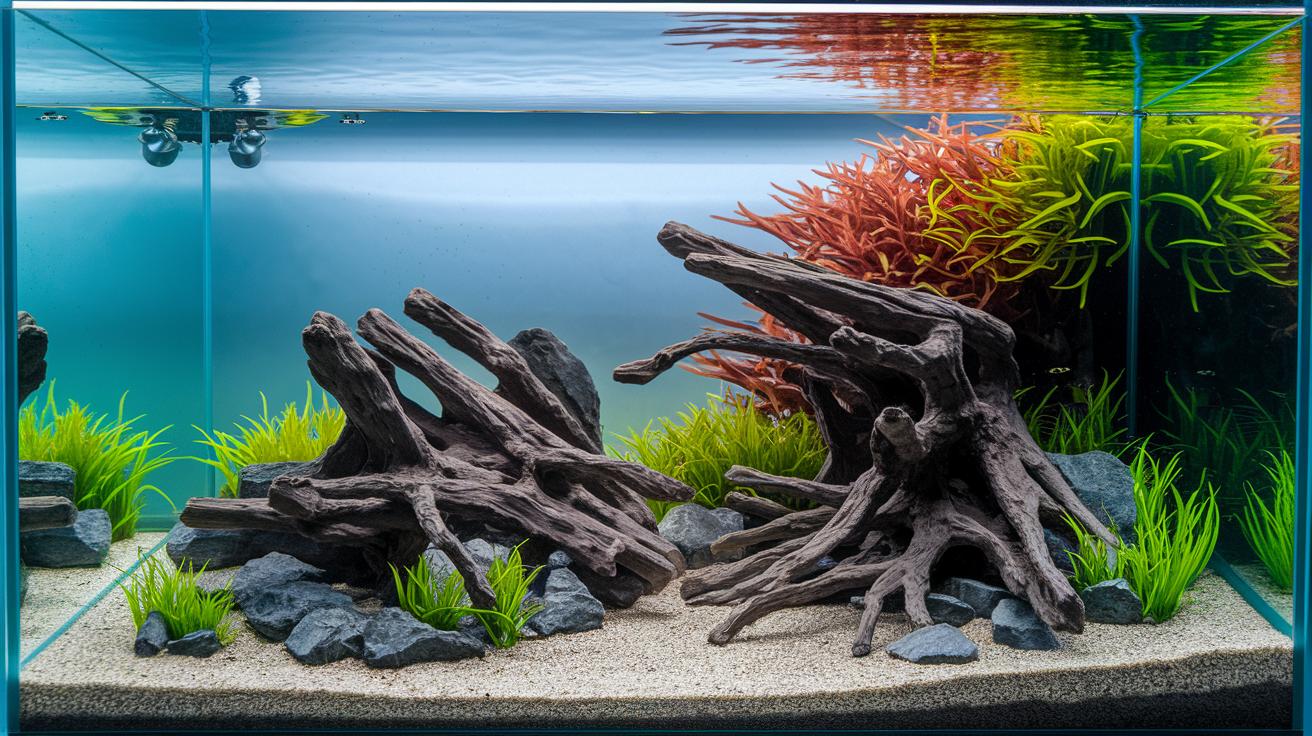
Putting together your freshwater aquarium is like building your own underwater paradise. Think of your tank as a little stage where every detail can shine. Start with a tank that fits your space, often a 20-gallon fish tank kit works great for beginners. If you're curious, take a look at the 20-gallon fish tank kit over at https://sweetfysh.com?p=344.
Choose a filter that clears the water in three steps: it traps debris (mechanical), breaks down waste (biological), and improves clarity (chemical). Many people new to aquarium setups prefer a sponge filter since it offers a gentle water flow and is easy to clean. You’ll also need a heater with a built-in thermostat to keep the water cozy between 24 and 27 °C, and a thermometer will help you keep track of the temperature.
A secure lid is important too, it helps reduce water loss and keeps your fish safe. Next, get your substrate ready by choosing from gravel, sand, or a plant-friendly mix. You can enhance your tank’s look and health by adding natural decor like rocks, driftwood, or live plants. A water conditioner will remove any chlorine from your tap water, and quality test strips can help you monitor the water conditions.
Finally, set up your lighting to make your color-filled oasis sparkle. LED planted lights are a popular choice, and many come with timers. Prices can range from $50 to $1500, so there's an option for every budget. To complete your setup, check out the freshwater aquarium gear at https://sweetfysh.com?p=222. Taking time to choose each piece carefully will help your underwater haven thrive.
Freshwater Fish Tank Setup: Enjoy a Colorful Oasis
First, give your tank and any substrates, like gravel, sand, or plant soil, a good rinse with warm water only. No soap needed; it’s just like cleaning your favorite glass to enjoy a fresh, pure drink.
Next, gently arrange driftwood, rocks, and live aquatic plants in a way that mimics nature. You might group small rocks into cozy corners or position a piece of driftwood to serve as both a home for helpful bacteria and a creative design highlight.
When you fill your tank, pour water slowly over a saucer or plate so that the substrate stays in place. Once the tank is full, add a water dechlorinator to get rid of chlorine and chloramine, keeping your fish and plants safe from harmful chemicals.
Finally, try layering your substrates naturally to give your plants a strong start. Move them around until your setup feels balanced and looks like a calm, peaceful underwater haven.
Cycling and Establishing a Healthy Nitrogen Cycle for Freshwater Fish Tank Setup
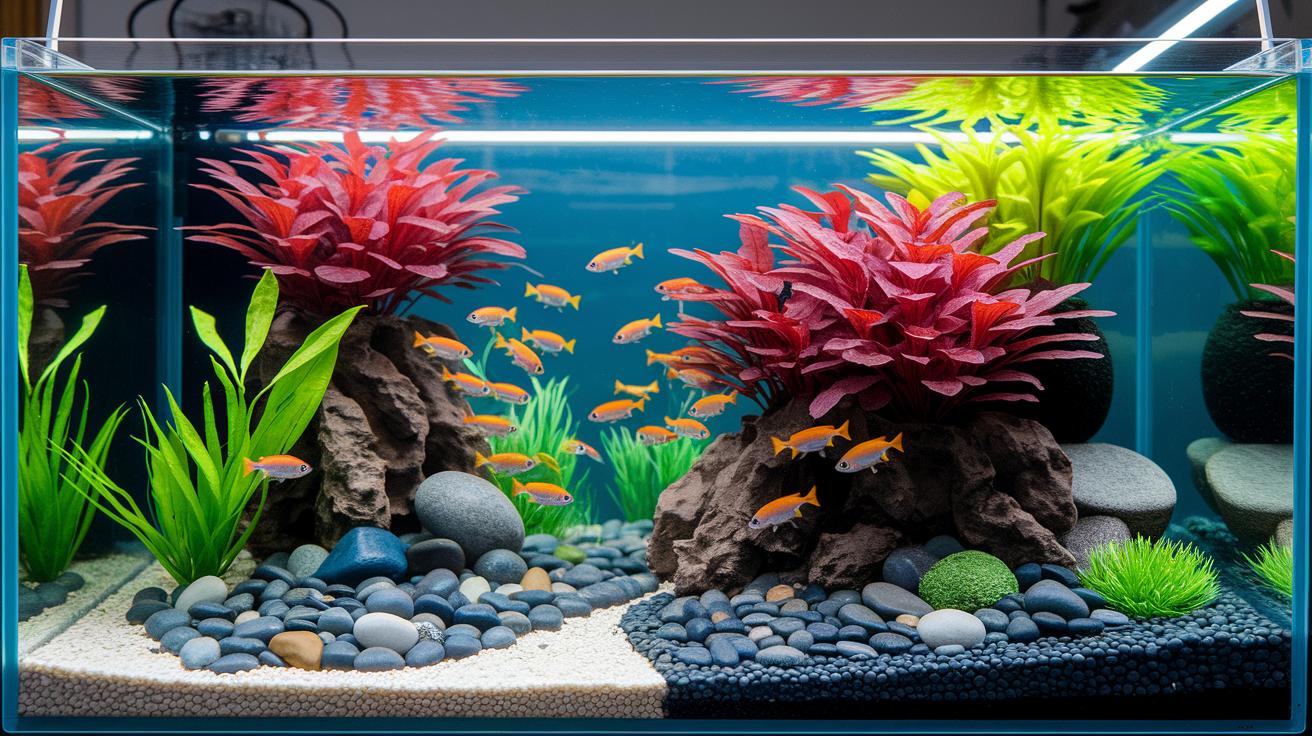
Cycling your aquarium is like preparing a cozy underwater home for your fish. In this process, friendly bacteria turn dangerous ammonia into nitrite and then into a gentler nitrate over time. This natural transformation usually takes between two and six weeks, so setting up the cycle before your fish arrive really helps keep them safe.
Fishless cycling is a smart way to build up your tank's biological filter without risking any little lives. Just add some pure ammonia or a tiny bit of fish food to start producing the ammonia that our helpful bacteria need. Make sure you check your water about twice a week with test strips or liquid test kits until both ammonia and nitrite vanish from the readings.
In the first week, you'll likely see a quick surge in ammonia. Then, by the second week, the nitrite levels will start to climb as the bacteria get to work breaking down that ammonia. By the third and fourth weeks, you'll notice that nitrates begin to build up and level off, showing that your aquarium has reached a healthy balance. It's a great feeling knowing your tank is ready, safe, and stable for its future residents.
Selecting and Acclimating Fish in Your Freshwater Fish Tank Setup
When picking fish for your tank, think about finding the best match for your little underwater world. In a 20-gallon tank, for instance, tetras, guppies, and danios are great options since they don’t need too much room. It’s like choosing friends who fit perfectly – check each species’ favorite water conditions, such as soft, slightly acidic water, to keep them happy and healthy. And don’t forget to consider their personalities so everyone gets along.
When bringing in new fish, use the acclimation process we talked about earlier. This gentle method slowly introduces your new friends to the water environment, helping them settle in without any stress. It’s a bit like slowly dipping your hand into cool water to feel the temperature change. Also, setting up a quarantine area for newcomers can keep your whole tank safe from unwanted pests or disease.
- Choose fish that suit your tank’s size and water style
- Look for species with similar temperaments so they become good neighbors
- Quarantine new arrivals to keep your tank safe and healthy
Following these steps helps blend smart fish selection with careful acclimation, giving your aquatic community a happy, peaceful home.
Routine Maintenance and Troubleshooting for Freshwater Fish Tank Setup
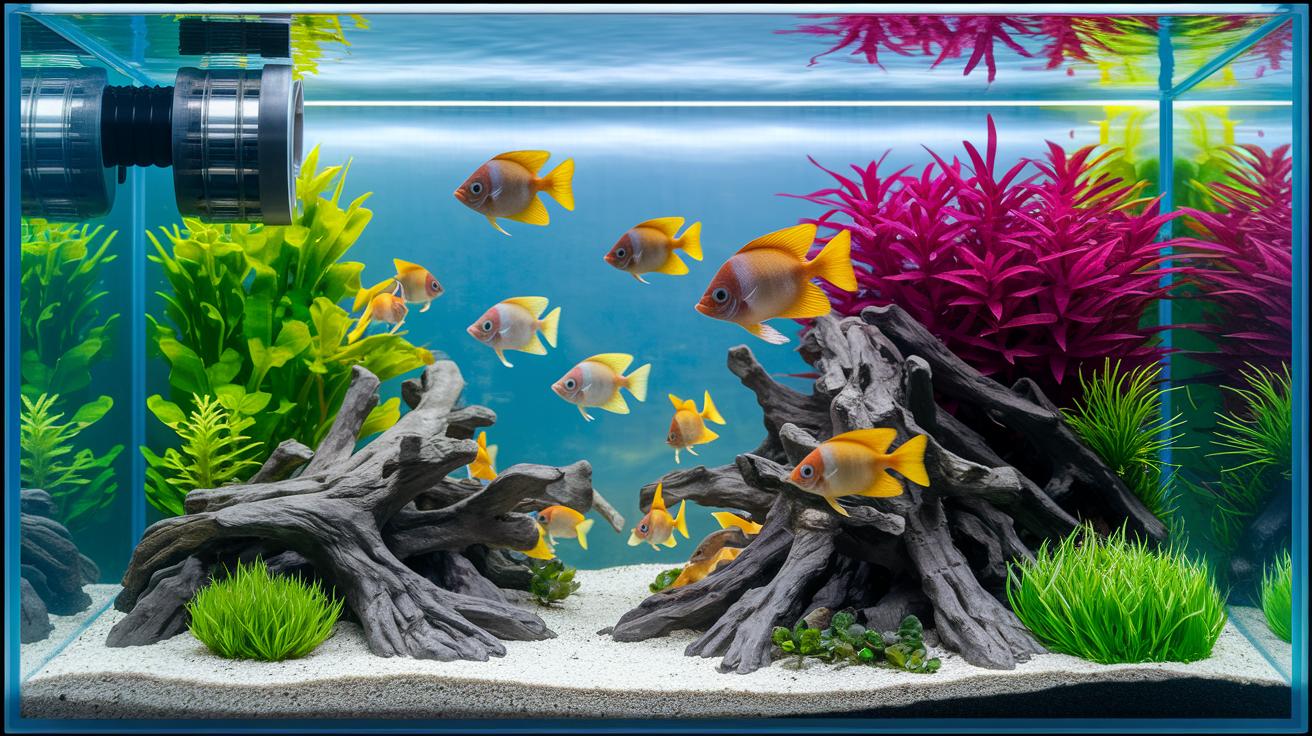
Keeping your freshwater tank in great shape doesn't have to be a big hassle. Daily things like feeding your fish and watching how they move around are a lot like checking on a close pet each morning, making sure everything is calm and happy.
Every week, try swapping out about 10–20% of the water. This gentle refresh helps wash away waste and keeps the water clean, much like a soft cascade over smooth stones. Then, once a month, give your filter or sponge filter a good cleaning, it's like a little tune-up that keeps your tank in tip-top shape.
Regularly testing your water is key to a healthy aquatic world. You can use test strips or liquid kits to check a few important things:
| Parameter | Ideal Range |
|---|---|
| pH | 6.5–7.5 |
| Ammonia | < 0.25 ppm |
| Nitrite | 0 ppm |
| Nitrates | < 20 ppm |
Keep an eye on the food and nutrient levels to stop algae from taking over. If the water starts to look cloudy or you spot an algae bloom, try a few extra water changes and maybe feed a bit less. And if you see high ammonia levels, using activated carbon during water changes can help clear things up.
Sticking with these simple care steps can help you spot issues early, keeping your little underwater world vibrant and lively. Ever notice how calming it feels to watch your fish swim around in clear, fresh water?
Final Words
In the action, we walked through setting up your very own freshwater fish tank setup, from gathering the right equipment to preparing your tank with care. We shared simple tips on rinsing substrates, creating a balanced water environment, cycling safely, and easing new fish into their home. Every step brings you closer to a clear and inviting underwater space that peers into peaceful aquatic living. Enjoy the gentle process and happy fish keeping!
FAQ
Frequently Asked Questions
What are some good ideas for setting up a small freshwater fish tank or beginner aquarium?
The freshwater fish tank setup ideas focus on starting with a stable 20-gallon system, using gentle filtration, simple decor, and a few live plants to create a balanced and welcoming aquatic space.
What does a freshwater fish tank setup kit include and how does it help beginners?
The freshwater fish tank setup kit often includes a tank, filter, heater, substrate, and decor. This kit gives beginners all the essential pieces needed to begin their aquarium setup with confidence.
How do you set up a freshwater aquarium with live plants?
Setting up a freshwater aquarium with live plants means first rinsing your tank and substrate, then adding live plants and decor before slowly filling with water and using a water conditioner for a plant-friendly environment.
How long should you wait before adding fish to a freshly set up freshwater tank?
Waiting to add fish means letting your tank cycle for 2–6 weeks. This period lets beneficial bacteria convert harmful compounds into safer ones, ensuring a healthy environment for your aquatic friends.
What equipment do I need to properly set up a freshwater aquarium?
The necessary equipment for a freshwater aquarium includes a tank, filter, heater, substrate, lighting, and water conditioner. Together, these items form a safe, balanced home for your aquatic pets.
Can I leave my aquarium light on 24/7?
Leaving your aquarium light on 24/7 isn’t ideal. Most fish and live plants need a regular day-night cycle to maintain natural rhythms, which helps them rest and grow properly.
Which freshwater fish are good for beginners and how should I choose them?
Choosing beginner-friendly freshwater fish means selecting species like tetras, guppies, danios, or Corydoras. These species adapt well to standard aquarium conditions and are easy to care for.