

Have you ever thought your aquarium heater might be the unsung hero behind a bright, lively tank? It’s not just about flipping a switch, it's about creating a warm, welcoming home where your fish can feel safe and happy.
When the water stays at the right temperature, your finned friends thrive. They feel at home, and your heater isn’t forced to work overtime, keeping everything smooth and steady. I once noticed how a perfectly set heater can really make a difference, just like the gentle ebb and flow of the tide.
So, here are five easy tips to help you get the best performance from your heater. Try them out and watch your aquarium come alive with energy and charm.
Aquarium Heater Fundamentals: Function, Key Types, and Importance
Aquarium heaters help keep your tropical tank at just the right temperature so your fish can swim happily without being shocked by sudden cold spells. It’s kind of like how you wouldn’t want your tea to cool off too fast, your fish need a steady warmth too. Most aquarists aim for about 3 watts per gallon. So, if your tank holds 20 gallons, you’re looking at roughly 60 watts in total to keep everything cozy.
One neat trick is to either use two heaters that each offer one watt per gallon or add an electronic temperature controller. This controller acts like a smart buddy, shutting off the heater once your set temperature is reached, which helps cut down on unnecessary on-off cycles. Ever notice how a heater that’s turning on and off too much can seem a bit overworked? That extra effort can wear it out faster than you’d expect.
| Heater Type | Installation Style | Heat Output (W/Gallon) | Pros | Cons |
|---|---|---|---|---|
| In-line | Hidden in tank | 1 | Discreet installation | Limited placement options |
| Glass | Submerged | 1 | Cost effective | Fragile, may break during water changes |
| High-temp Plastic | Submersible | ~1 | Lightweight | Poor heat conduction |
| Titanium | Submersible | 1 | Long lasting, durable | Expensive |
Keeping your tank at the right temperature is really important because most freshwater tropical fish feel best between 65°F and 85°F. Adding an electronic controller not only makes sure your heater doesn’t work too hard, but it also lets you relax and trust that your aquarium is being properly cared for. It’s like having a little safety net that keeps your underwater home safe and inviting, so you can focus on enjoying that gentle bubble dance.
Calculating the Right Aquarium Heater Wattage

To keep your aquarium water cozy, aim for about 3 watts per gallon. You can share the job between two heaters or use one heater alongside an electronic thermostat. This approach keeps the heater running more steadily, which helps it work longer without frequent on-off cycles.
Let’s break it down into a few easy steps:
• Step 1: Figure out how many gallons your tank holds. For example, if your tank is 50 gallons, that’s your starting point.
• Step 2: Multiply that number by 3 watts. This gives you the total power your heater setup will need.
• Step 3: Decide on your heater style. You can either use two heaters with the idea of one watt per gallon each, or pair one heater with an electronic thermostat to keep things balanced.
• Step 4: Finally, adjust your numbers to account for the room’s temperature and any seasonal changes. This way, your fish always swim in comfortably warm water.
5 aquarium heater tips for vibrant tanks
Installing your heater with care makes a big difference for your fish and helps keep your tank looking lively. It’s like setting the right mood with a gentle ripple across your water, steady, calm, and reassuring. When you put your heater in the right spot and handle it correctly, you not only avoid common hiccups like rapid on/off cycling, but you also help it last longer. Here are some friendly tips to guide you step by step.
Prepare the Tank and Unbox the Heater
First, take a close look at your new heater as soon as you unbox it. Check for a clear minimum immersion mark and ensure the power cord is in good shape. It’s a good idea to look over the whole unit for any shipping damage and compare it with the manufacturer’s instructions. A little extra attention now can mean smoother times later, like watching the first gentle swirls of a new current.
Position and Secure the Heater
Next, find a spot where the heater can catch the flow of water, near your filter’s output works best. This helps spread the warmth evenly, much like sunbeams dancing on the surface of a stream. Use the suction cups or any mounting options included to secure it firmly, so it stays in place even when you’re doing water changes. This careful positioning makes sure your fish enjoy a cozy, stable environment.
Set Temperature and Test Redundancy
Now, set the heater’s thermostat to a temperature that feels just right for your underwater pals. Once you plug in any electronic controllers, run a 24-hour test to be sure everything is working as it should be. Testing like this is a neat way to double-check that safety features are in action, ensuring a secure, inviting home for your fish before they settle in.
Maintenance Tips to Extend Your Heater’s Lifespan
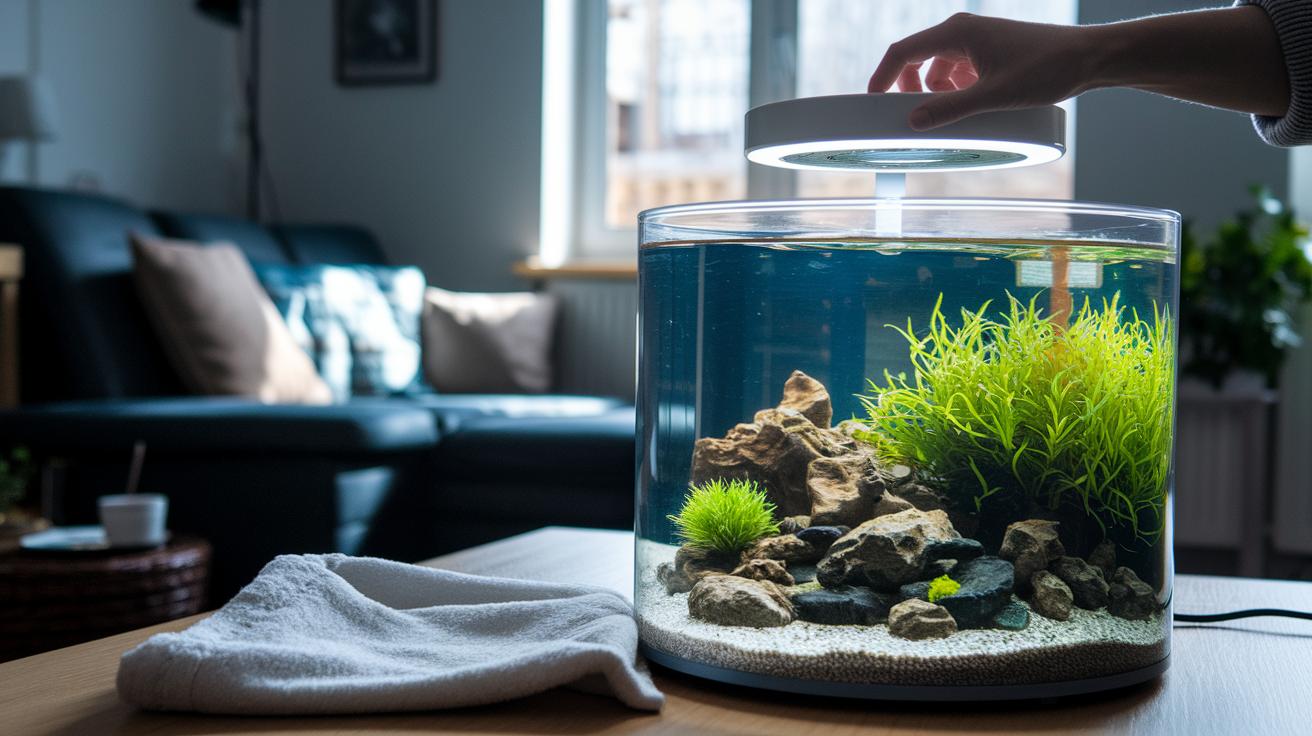
Keeping your heater in good shape is a lot like making sure your favorite stream flows smoothly. When you cut down on all the start-and-stop cycles, your heater isn’t put through sudden stress. Using an electronic controller is like giving your fish a steady current that they can glide with, it really helps the heater last longer.
Regularly checking your heater is like giving it a friendly once-over before any problems start. Every month, take a moment to look for cracks or any chalky buildup that might cause uneven heating. A little cleaning with a soft cloth and water can clear things up, much like a gentle wind keeps the pond surface calm and clear.
Every six months, it’s a good idea to recalibrate the thermostat to ensure it reads right and keeps your tank cozy. And once a year, replace the suction cups and O-rings to stop small leaks from turning into bigger issues. These simple steps not only protect your heater but also help your entire watery world stay vibrant and healthy.
Safety and Redundancy Strategies for Aquarium Heaters
Electronic temperature controllers work like a trusted friend, chopping off power as soon as your tank reaches the right warmth. This quick shutoff stops overheating and avoids the back-and-forth on-off cycles that can tire out your heater. For a safer tank, try using two heaters or mix one heater with a smart controller so that everything shares the load evenly. Relying on one big heater alone is risky because it might not hold a steady temperature for your fish. A heater with a built-in thermostat adds extra peace of mind by tweaking the heat as needed, almost like adjusting the sails when the wind changes.
Pick heaters that have safety certifications and waterproof designs to protect your aquatic buddies. Place your heater near the filter intake or output to keep hot spots away from parts of the tank. This smart setup, along with added backup, cuts down the risk of any mishaps. With these careful steps, you help keep your aquarium cozy and safe, making sure your fish enjoy a calm and steady home.
Choosing the Best Aquarium Heater: Model Comparisons and Reviews

When you start checking out different aquarium heaters, you'll notice that prices and features can really vary. Basic glass heaters usually cost around $20 to $30. They keep things simple, making them perfect if your tank is small or you're just beginning your aquarium journey. Think of a glass heater as a trusty, wallet-friendly buddy that covers the basics without any extra bells and whistles.
If you're looking for more control, programmable digital heaters might be the way to go. They typically run between $40 and $60 and can keep the temperature super precise, within about half a degree. These heaters work like a smart helper in your aquarium, letting you set the temperature just right. They often run quietly and even come with a built-in safety cutoff. Imagine setting your heater just like you’d set your coffee maker’s timer, ready to give your fish the perfect comfort.
For those who want even more durability and fancy extras, titanium heaters are a solid choice. Starting at around $80, these heaters might be a bit pricier, but they’re built tougher for long-term use. Many of them feature digital displays and energy-efficient designs that can cut down power use by up to 20%. This means you get a heater that not only keeps your fish happy but can also help lower your energy bills over time.
When you compare models, keep an eye out for features like quiet operation, safety cutoffs, and warranties that run from 2 to 5 years. Matching these features with your budget and tank needs can lead you to the perfect option for a warm and efficient aquatic home. If you value exact temperature control and a peaceful setup, a digital model might be just the ticket.
Final Words
In the action, we explored how an aquarium heater works, from choosing the right wattage to safe installation and regular maintenance. We shared tips to keep your tank clean and cozy, ensuring a balanced underwater environment for your pets. The guide helped break down key heater types and safety strategies while showing ways to protect your aquatic friends. With the right aquarium heater, you can create a comfortable home where fish thrive. Enjoy taking these steps to keep your tank warm and inviting!
FAQ
Frequently Asked Questions
How do I calculate the necessary heater wattage for my aquarium?
Calculating the necessary heater wattage means multiplying your tank’s gallons by three watts. This keeps tropical fish comfortable by maintaining steady water temperatures even during seasonal changes.
What do watt ratings like 50W, 100W, or 300W indicate for aquarium heaters?
Understanding watt ratings means knowing that a 50W heater suits very small tanks, a 100W works for moderate setups, while a 300W model is intended for larger aquariums needing more power.
How do I choose the best aquarium heater?
Choosing the best aquarium heater means looking for a model with a reliable thermostat, safety certifications, and features like digital display control, all matched to your tank size and target water temperature.
Do I really need an aquarium heater for my tank?
Deciding on a heater depends on your fish type and room conditions. Tropical fish need a constant warm temperature, while some cold-water species may thrive without additional heating.
Can fish be in a tank without a heater?
Living without a heater means fish like goldfish can adapt to cooler water if the room stays stable, but tropical species require a heater for steady warmth and proper health.
Does a 3-gallon tank require a heater?
Deciding if a 3-gallon tank requires a heater depends on the fish. If you keep tropical species or the room is cool, using a small, low-wattage heater is crucial for stable temperatures.
Where can I buy an electric aquarium heater nearby?
Locating an electric aquarium heater means trying local pet stores, aquarium specialty shops, or reputable online retailers where models are available with safety certifications and precise controls.
What heater is recommended for a 50-gallon aquarium?
Recommending a heater for a 50-gallon tank means aiming for a total output of around 150 watts, which can be achieved by splitting the load between two heaters or using a single, adjustable electronic model.