

Ever dreamed of turning your home into a serene underwater retreat? Imagine relaxing while watching little fish glide by, like a soft ripple over smooth stones. A home aquarium can make your space feel refreshingly calm and full of life.
Setting up your own water world is like creating a mini natural paradise. Every fish, plant, and filter plays a special role, working in harmony to keep everything in balance. It’s a bit like assembling a beautiful puzzle where each piece shines.
In this guide, we’ll chat about picking the right tank, choosing the proper gear, and sharing simple setup tips. Soon, you’ll have a vibrant, peaceful spot that brings a delightful splash of nature into your everyday life.
Ready to dive in? Let’s create an aquatic haven that feels as gentle and welcoming as a quiet tide on a calm day.
Setting Up Your Residential Aquatic Exhibit
First, decide how you want to build your little water world. You can grab an all-in-one starter kit or piece together each part on its own. There are many choices, from small tanks under 10 gallons to medium ones between 11 and 50 gallons, large setups with 55+ gallons, or even cool options like jellyfish tanks and tank-and-stand combos. This way, whether you're new to aquariums or have set up one before, you can create a perfect display for your space.
Once you’ve chosen your tank and kit, it's time to set things up. Place your tank on a sturdy, level surface. Add a layer of substrate, like gravel, to mimic a natural floor. Then, install your filter, heater, and lights, making sure each piece is set just right. As you work, you might even ask yourself, "Does everything support a peaceful, thriving underwater home?"
Next, get your water ready for your fishy friends. Fill the tank with water that has no chlorine and start the cycling process. This process allows good bacteria to grow, which helps break down fish waste and makes the environment safe. It takes a bit of time, but soon enough you’ll have a healthy space for your aquatic residents.
- Unbox your aquarium and kit items.
- Pick the right tank size based on your space and plans.
- Place the tank on a level, sturdy surface.
- Spread the substrate evenly along the bottom.
- Install your filter, heater, and lights.
- Fill the tank with dechlorinated water.
- Start the cycling process so that helpful bacteria can grow.
- Add your fish once the water is safe and stable.
Essential Equipment for a Home Aquarium

Getting your own little water world set up starts with choosing the right gear. Your filter acts like the beating heart of your tank, keeping the water clean and clear just like a gentle stream. Many fish lovers pick canister filters or trusty T5 fluorescent lights, and they often add dosing pumps to keep the water moving just right. It’s important that the water flow fits your tank size so that your fish feel relaxed and safe.
Heating is just as important as filtering. Submersible heaters, which are rated by how many gallons your tank holds, keep your aquatic friends snug and cozy. Whether you add an external powerhead for extra water movement or rely on a tank’s built-in features, checking details like wattage and temperature range is essential. Plus, using LED or T5 lighting not only makes the tank look pretty but also helps your live plants grow strong.
If you’re on the hunt for gear you can trust, consider brands like Clear For Life, JBJ Aquariums, Midwest Tropical, CAD Lights, and Sunset Marine Labs. Online aquarium supply reviews can guide you in comparing equipment and finding the perfect setup for your underwater haven.
Home Aquarium Decor Accents and Underwater Style Ideas
Turn your aquarium into a lovely centerpiece by choosing designs that mix well with your home. Picture a sleek, rimless tank or a unique acrylic shape that catches the light. You might even try a built-in wall installation or a curved, floor-to-ceiling setup that gives the room depth. Imagine natural rocks and driftwood paired with gentle, warm LED lights creating a space that feels both elegant and personal.
Boost your display by adding live or fake plants and using levels in the background to create a playful look. Think of an aquarium that blends right into your furniture like a living piece of art. Little touches like a special ornament or soft lighting can soften the hard look of the tank and add extra charm to your underwater scene.
Make your space uniquely yours by placing the aquarium near a big window for natural light or by using custom LED lights to highlight cool features in your home. Mixing creative placements and thoughtful decor guides the eye to every charming detail of your aquatic world, creating a peaceful and inviting vibe.
Water Quality Management in a Home Aquarium

Keeping the water sparkling and balanced is the heart of every thriving aquarium. It’s like nurturing a tiny, magical underwater world where every drop matters. The journey begins by cycling your tank. This simple process lets friendly bacteria grow so they can break down waste, kind of like little helpers tidying up after a busy day. Using a reliable test kit lets you check for chemicals such as ammonia, nitrite, and nitrate, making it easy to adjust the water as needed. Think of it like following a straightforward recipe: for freshwater tanks, aim for a pH between 6.5 and 7.5; if you’re managing a saltwater tank, focus on specific gravity adjustments. Regular testing catches issues before they bubble up into bigger problems.
Changing part of your water on a consistent schedule is another great tip to keep your tank healthy. This routine is like giving your aquarium a refreshing spa treatment without upsetting its natural vibe. Recording your test results with simple tracking methods helps you spot trends over time. With steady monitoring, every plant and fish gets to enjoy the perfect balance, and you get to feel confident in maintaining your aquatic haven. Regular checkups and timely tweaks ensure that your aquarium stays a safe, clear, and happy home every single day.
Ambient Illumination Solutions and Heating in Home Aquariums
A bright, well-lit tank brings your underwater world to life, much like sunlight dancing over a calm sea. Energy-saving LED lights, such as full-spectrum options like the AI Hydra Prime and 72″ LED fixtures, create a smooth shift from day to night. Imagine your aquarium glowing softly, as if a peaceful sunrise touched every corner. It’s a simple way to boost plant growth and show off your fish's colors.
Choosing the right light spectrum makes all the difference. T5 fluorescent lights like the ATI SunPower T5 add an extra sparkle while keeping energy use low. You can even add custom backlighting to bring out unique details in your tank. This little touch turns your aquarium into a small piece of art that delights both residents and visitors.
Pairing your lighting with a proper heater makes your tank feel just right. Submersible heaters made of titanium or glass, measured by the gallon, give steady, precise heat that blends naturally into your setup. Their reliable warmth keeps your aquatic friends comfortable while enhancing the soft glow of your lighting, creating a balanced and inviting home for your underwater world.
Selecting Plants and Fish for a Home Aquarium
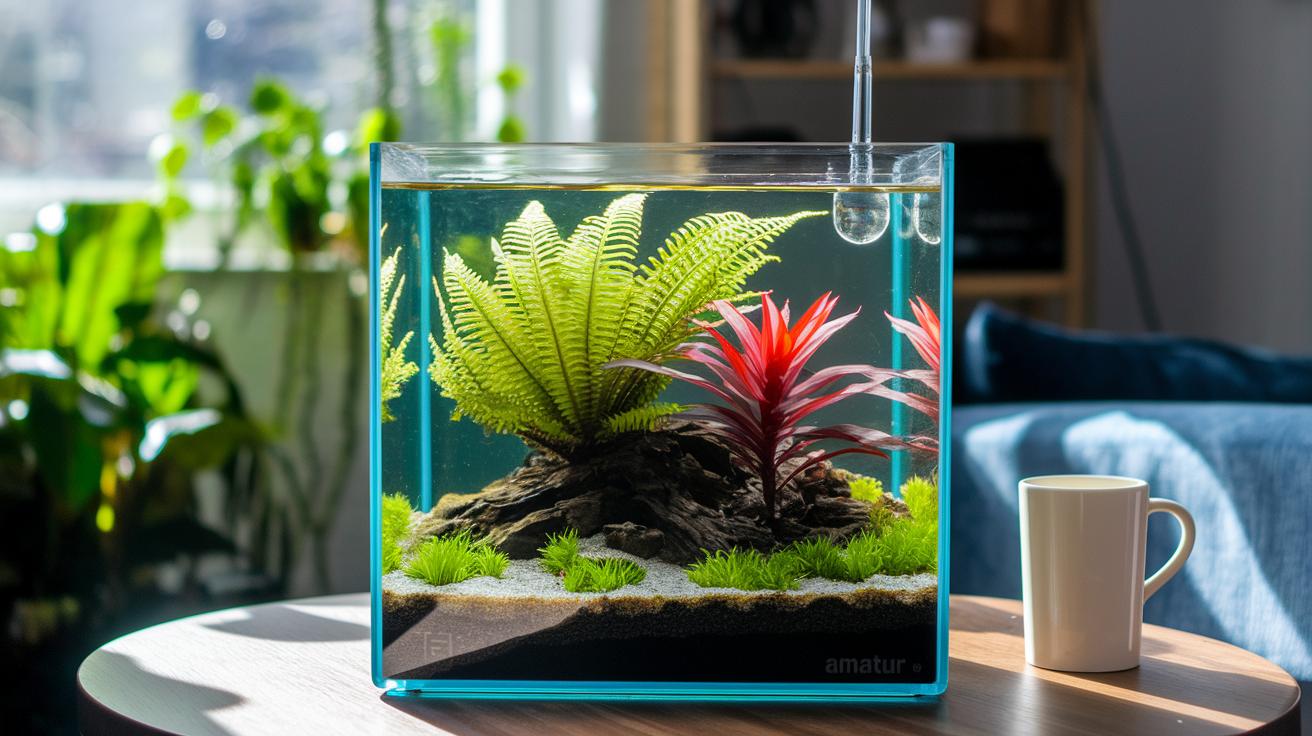
Choosing the right plants is like setting up a mini underwater paradise. Friendly choices such as Java fern, Amazon sword, and Anubias not only add a natural look but also work to keep your water clean. They’re tough and great if you’re just starting out. Just make sure your tank’s lighting and water fit what the plants need. For example, Java fern does well with less light, making it a popular pick for many setups.
When it comes to picking fish, it’s best to start with hardy community types like tetras and guppies. They adjust quickly to new homes and keep things lively. And if you feel adventurous, you might try out more unique fish like some cichlids or saltwater tangs. The trick is to choose friends that can live well together without stressing each other out. Matching water parameters, like temperature and pH, helps all your fish stay happy and healthy.
Before inviting new residents to your tank, take a moment to plan how many fish your aquarium can support. Smaller tanks need only a few fish, while larger ones can accommodate a more colorful variety. Making a simple guide of which species work best together can keep your aquatic world balanced and vibrant, a true living garden under water.
Maintenance Best Practices for a Home Aquarium
Keeping your tank in tip-top shape is like setting up a cozy home for your fish. Every week, try swapping out about 10–20% of the water using cleaners that are gentle on the environment. A quick daily glance lets you see if the water is clear enough, and a gentle wipe on the glass helps stop algae from taking over. Sticking to this routine makes your tank a safe and peaceful place to be.
Once a month, take a little extra time to check everything over. This means changing the filter media, inspecting your heater and lights, and vacuuming the substrate to pick up any leftovers. It’s like giving your pet a routine checkup, keeping everything fresh and healthy. Using reliable cleaning supplies makes these chores feel much easier.
- Perform a weekly 10–20% water change
- Clean and replace filter media on a monthly schedule
- Wipe down aquarium glass to remove algae buildup
- Inspect all equipment for proper operation
- Prune aquatic plants to support healthy growth
- Test water parameters with a reliable test kit
Common Issues and Troubleshooting in Home Aquariums
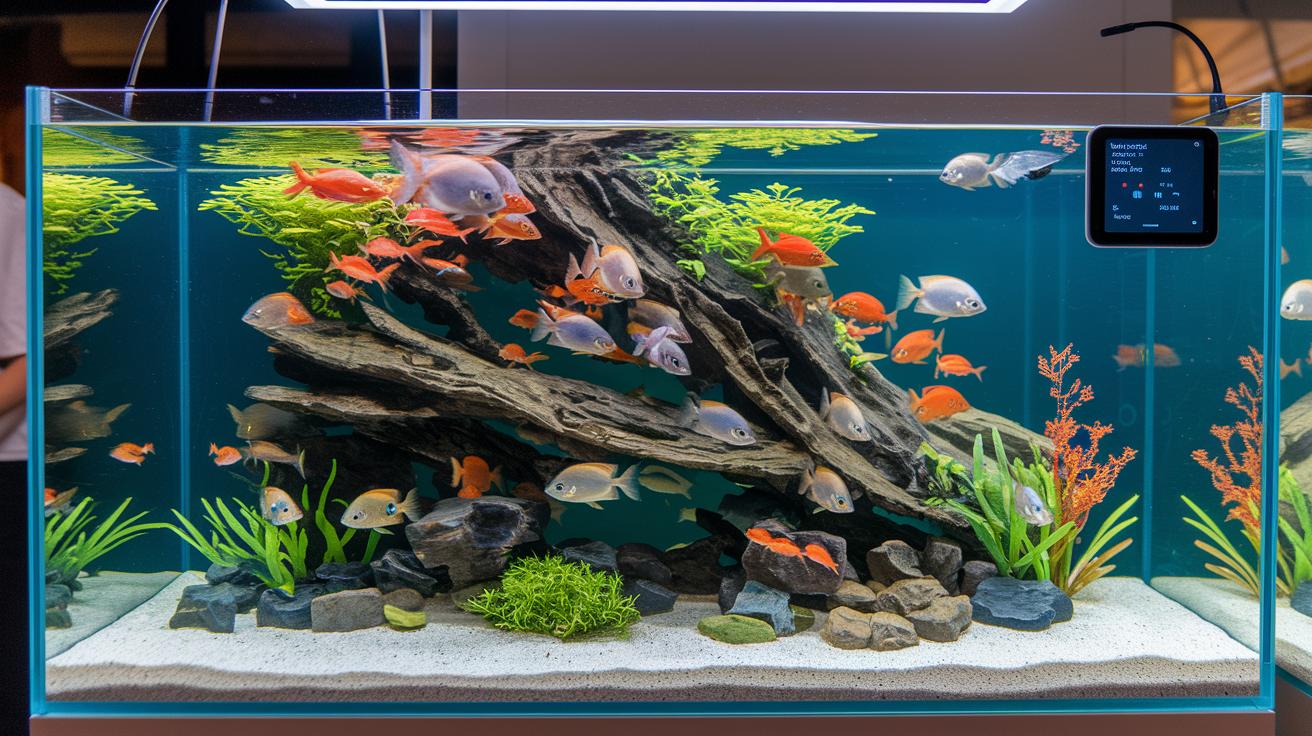
Sometimes your aquarium might show signs that it needs a little extra love, like cloudy water, green algae, or fish looking stressed. When you see these hints, it's a good idea to take a peek at your lighting setup and check if the water has too many nutrients. Adjusting these things can clear up the water and keep the pesky algae at bay.
There are a few quick tips you can try too. For example, using a targeted algae remover, cutting back on nutrient doses, or boosting water circulation can make a big difference. And if your fish seem extra stressed or sick, consider a short quarantine for them while you keep an eye on the rest. It's like giving your aquarium a little check-up, even if you're just starting out.
Talking with other aquarists online can also help when unexpected issues pop up. Often, folks in community boards share advice and practical ideas that can keep your little underwater world healthy and inviting.
Smart Control Integration and Remote Monitoring for Home Aquariums
Today, many modern aquariums come with smart controls that let you care for your tank from anywhere. Using Wi-Fi controllers, you can easily set your lights to mimic the soft glow of dawn and dusk, or change the water temperature right from your phone. It really feels like you're sharing a quiet moment with your fish even when you're out and about.
Automated devices work together with these smart systems by releasing just the right amount of fertilizers or salt at set times. Plus, your phone gets alerts if something in the tank changes, so you're always in the know. Digital displays show current details like pH, temperature, and water clarity, making it simple to keep your aquarium balanced.
Remote monitoring apps help you catch any changes immediately. For example, if the water temperature shifts unexpectedly, you'll receive an instant alert. This smart setup not only saves you time but also keeps your aquatic world steady and peaceful, letting you focus on enjoying the gentle beauty of your tank.
Final Words
In the action of building your home aquarium, we've explored different setup choices and smart equipment. You learned about picking between kits or custom builds and choosing gear that fits your aquatic environment.
Next, the guide walked through installation steps and water cycling, helping you handcraft a space where your aquatic pets can thrive.
Maintaining a balanced ecosystem with scheduled cleaning, troubleshooting fixes, and even remote monitoring makes your setup a healthy, lively retreat for your fish. Enjoy every ripple of progress along the way!
FAQ
Is it good to keep a fish tank at home?
Keeping a fish tank at home offers relaxation, beauty, and a fulfilling hobby. It creates a calm spot in your space while teaching routine care and responsibility.
What is the easiest fish to keep alive?
The easiest fish to keep alive are hardy species like bettas or guppies. They adapt well to indoor tanks and need minimal, consistent care to thrive.
What types of home aquariums and setups are available?
Home aquariums include options like tanks with stands, complete beginner kits, and various sizes—from small 1-gallon tanks to standard 10-gallon setups—that fit different spaces and budgets.
How can I find an aquarium near me?
Searching for an aquarium near you means checking local pet stores or aquatic retailers online. Many stores have locator tools to help you find nearby locations and available supplies.
Does Petco sell 125 gallon fish tanks?
When asking about Petco and 125-gallon tanks, note that while Petco carries a range of sizes, it’s best to verify online or call your local store to confirm if that size is available.
Does running a fish tank cost a lot?
Running a fish tank involves costs that vary based on tank size, equipment energy use, and maintenance practices. Thoughtful choices and energy-efficient gear can help keep expenses moderate.